







Introduction:To enjoy a cup of coffee with a rich and full-bodied taste, it’s not enough to just consider the roast level—you also need to pair it with the right brewing method. This article will guide you through the flavor differences between light roast, medium roast, medium-dark roast, and dark roast, analyze which brewing tools and techniques suit each roast level, and offer practical advice on bean selection and adjustments to help you find your own satisfyingly bold coffee experience.
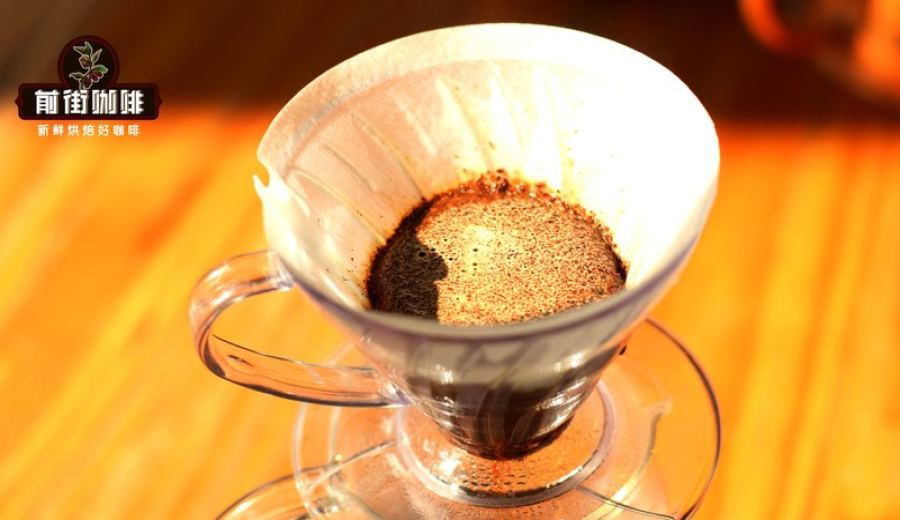
To savor a cup of coffee with a rich flavor, the first step is to start with the roast level, then make a choice based on your preferred brewing method. Generally speaking,Light Roastcoffee beans usually retain more floral and fruity aromas, with a relatively refreshing taste. However, that doesn’t mean they lack body—this kind of body often comes with a juice-like freshness or tea-like notes, and may even carry a slight acidity. If you’re used to using a pour over dripper and enjoy prominent floral and fruity aromas, but don’t want your coffee to taste too thin, you might want to start withlight-medium or medium roastbeans. Remember not to use water that’s too hot, as excessive heat can easily mask delicate aromas with overly bitter or astringent flavors.
Medium Roastis the go-to roast range for most people seeking a balance between richness and aroma. Beans at this level have a more pronounced sweetness, showcasing the layered complexity of black coffee while also being suitable for milk-based drinks. Whether you’re using a pour over or an espresso machine, this roast level can deliver a satisfying flavor structure. If you’re looking for a daily drinker that’s flavorful, stable, and approachable, consider blends with distinct nutty notes, cocoa undertones in the mid-palate, and a caramel-like sweetness in the aftertaste. For example, some classic blends work wonderfully as espresso and blend seamlessly with milk, while extraction with a moka pot can highlight their round and full-bodied mouthfeel.
For those who prefer flavors similar to dark chocolate and deep-roast nuts,medium-dark roastis a more suitable choice. These beans tend to have less acidity, with a bitter-sweet interplay reminiscent of dark chocolate upon entry, followed by the aroma of roasted nuts and a long-lasting sweet aftertaste. Whether you're making espresso, Americano, or latte, this roast level performs steadily and won’t be completely overshadowed by the milk.
As for those seeking the “heaviness” in coffee,dark roastis definitely the top choice. These coffee beans are commonly used in moka pots , espresso machines, and various milk-based drinks. Their aroma profile often transitions from the original fruit and floral notes to richer tones like cocoa, smokiness, and caramel—but be aware that bitterness intensity can vary depending on the brewing method. It’s recommended to use slightly lower water temperature during brewing and precisely control extraction time to preserve the inherent sweetness and layers of richness.
If you’re looking for a single-origin bean that combines richness with gentle acidity,the medium to medium-dark roastrange offers quite a few excellent options. For instance, some coffees from Papua New Guinea exhibit a relatively clean flavor profile, smooth sweetness, and a balanced taste akin to Blue Mountain style. These beans are suitable for filter brewing and are best enjoyed hot. If you don’t care for strong acidity but still want to experience the nuanced aromas of single-origin beans, these medium-roast single origins are a great entry point.
Don’t overlook the impact of brewing equipment on how body and richness are expressed. For example,espresso machinesdeliver a concentrated coffee liquid that results in a tight and solid mouthfeel, with medium-dark roast beans particularly excelling in showcasing chocolate and nut tones;moka pots, due to their heating method and pressure characteristics, can give coffee a fuller body, making medium or medium-dark roast ideal pairings; whilepour over dripperscan make the sweetness and aroma of medium-roast beans clearer, ideal for those who enjoy a well-defined flavor profile. When choosing equipment, it’s recommended to consider both the roast level of your beans and the tools you have on hand to find the most compatible combination.
Whether you mainly drink black coffee or milk-based drinks, you can adjust your selection based on the following guidelines: if you prefer pure black coffee, focus primarily on the bean’ssweetness, aroma, and aftertaste, rather than judging its richness solely based on whether it’s a “dark roast”; if you frequently drink lattes, flat whites, or cappuccinos, opt forbeans with sufficient coffee liquid concentration and cocoa-like qualities, and the higher the milk ratio, the more solid the bean’s inherent sweetness and mouthfeel should be.
In practical brewing, when working with bold, full-bodied beans,grind size and extraction timeare key factors affecting taste. Grinding too fine or steeping for too long can lead to a dry and astringent finish; grinding too coarse or using water that’s too cool might only extract color and bitterness without bringing out the intended sweetness. It’s suggested to start with a medium-strength extraction, carefully tasting its initial body, sweetness, and finishing notes, then gradually adjusting grind size and water temperature to fine-tune the taste to your preference.
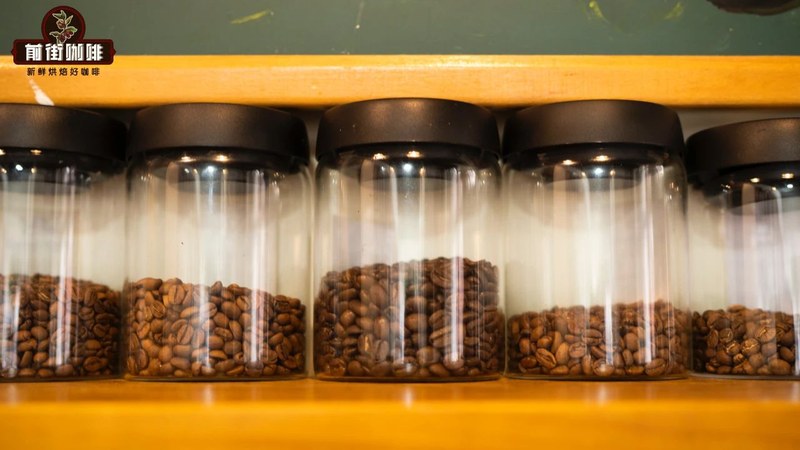
Finally, when purchasing coffee beans, it’s advisable to take into accountthe roast level, flavor description, and your intended brewing plantogether. If you’re drawn to cocoa and nut tones, prioritize medium-dark or dark roast beans; if you want a balance of sweetness and body, medium roast offers the most flexibility; and if you prefer softer, rounder coffee with subdued acidity, you might want to start exploring medium-roast single-origin beans. Additionally, no matter which roast you choose, remember to buy according to your recent consumption rate and store the beans properly sealed to maintain their aroma and rich characteristics for longer.
The above content is compiled by CoffeeHunters, a coffee news website.

