







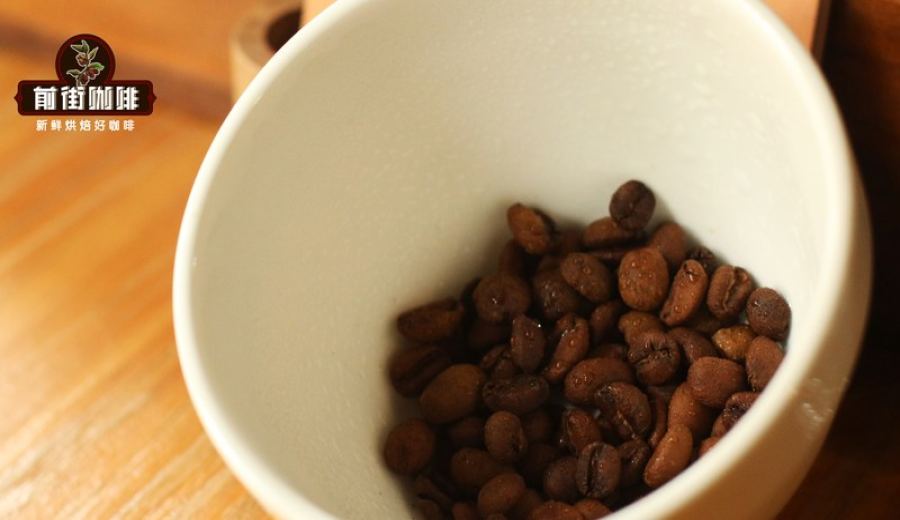
Introduction:Chocolate flavor is a favorite among many coffee enthusiasts, but different roast levels bring out distinctly varied chocolate notes. This article delves into how chocolate characteristics manifest across light, medium, medium-dark, and dark roasts, along with practical extraction tips to help you choose the coffee beans that best suit your taste preferences and brewing methods—whether it’s pour over or espresso—so you can enjoy your perfect cup with ease.
To taste prominent chocolate notes in coffee, it’s essential first to understand how roast levels influence flavor. Generally speaking,Light Roastpreserves the coffee’s original bright acidity and fruity-floral aromas, while chocolate flavors often linger subtly within the sweet notes and aftertaste;Medium Roasthighlights cocoa, caramel, and nutty aromas more prominently, making it the roast level where chocolate flavors are most easily detected; moving further toDark Roast, black chocolate, roasted aromas, and bold body take center stage. Understanding these differences can help you select the most suitable coffee beans based on your preferred intensity and brewing style.
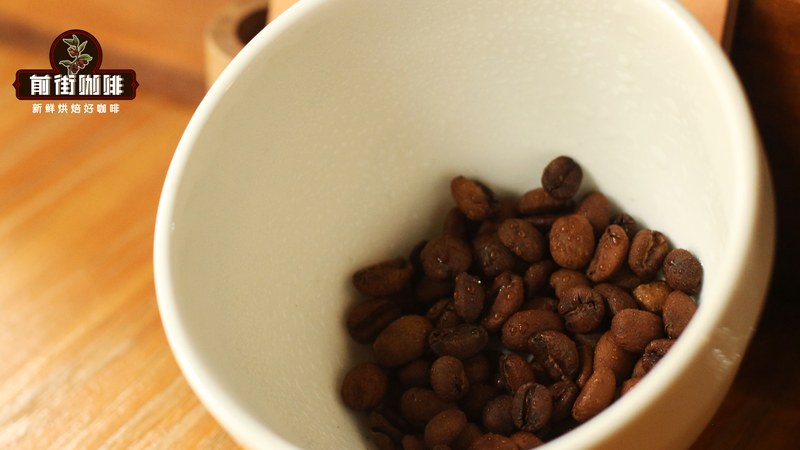
Although chocolate flavors in light-roast coffee beans are usually more restrained, they’re not entirely absent. These beans often present initial impressions of citrus, berries, or tea-like brightness, followed gradually by a warm, cocoa powder or bean-like sweetness. If you prefer a clean black coffee and enjoy flavors that unfold subtly as the temperature changes, look for light-roast beans described as having “cocoa,” “brown sugar,” or “nut” notes, and use a pour-over method to enhance their aromatic complexity.
However, if you’re expecting a black coffee with a “clearly dominant chocolate profile,” light roast is generally not the most straightforward choice. Such beans are more sensitive to brewing variables like water temperature, grind size, and pouring technique. Under-extraction can easily let acidity overpower sweetness, making chocolate notes hard to fully emerge. Think of “cocoa” as a supporting flavor rather than the lead—it’s ideal for those who enjoy a clean cup yet still want to savor delicate sweetness.
Medium Roastis often the best starting point for most people to experience chocolate flavor. This roast level strikes a good balance between the cocoa, caramel, and nutty aromas developed during roasting and the coffee’s inherent acidity and sweetness, ensuring the black coffee isn’t overly thin nor smothered by heavy smokiness. When brewed via pour over, you’ll often notice a soft acidity paired with a sweet aftertaste reminiscent of cocoa biscuits. Using an espresso machine, you can extract a rich coffee liquid well-suited for milk-based drinks.
For example, a medium-roast bean with primary aroma notes of peanut, cocoa, and caramel tends to have a mellow acidity, a round mouthfeel, and clear sweetness. It performs excellently when brewed using a pour over or moka pot. When extracted with a moka pot, the resulting coffee is full-bodied with a warm, sweet aroma. Even when prepared with a small amount of milk, the nutty and cocoa core remains prominent—making it perfect for breakfast or afternoon enjoyment.
If you have a busy lifestyle and hope to easily brew coffee with familiar chocolate notes every day,Medium-Dark Roastis a more practical choice. Beans at this level typically show less acidity and instead offer a blend of cocoa, nuts, toffee, and roasted sweetness, with a richer body. Whether you're making espresso, Americano, or adding milk for a milk-based coffee, the flavor remains stable and consistent—ideal for users with multiple brewing tools and varied routines.
Medium-dark roast beans often feature nuts, cocoa, and caramel as their primary flavor profiles, resulting in a heavier mouthfeel. When extracted using an espresso machine, they form a robust coffee base. Using a moka pot, the aroma leans toward roasted nuts and caramel, and even when milk is added, the sweetness remains noticeable—perfect for lattes, flat whites, or any milk coffee.
As forDark Roast, it takes chocolate flavors into an even deeper and more intense direction. These beans often carry notes of dark chocolate, cocoa paste, roasted nuts, and caramelized sweetness, with acidity taking a backseat while bitterness and body become more pronounced. For those who favor espresso, Americano, or strong milk coffee, dark roast provides a bolder coffee structure. But if you prefer a cleaner cup, medium or medium-dark roast is recommended.
The flavor focus of dark-roast beans typically lies in dark cocoa and roasted nuts, with noticeable sweetness and low acidity. When extracted as espresso, it’s well-suited for short drinks or diluted into a concentrated Americano. With milk added, the dark-chocolate-like character adds layers and richness to the cup. When using a home semi-automatic espresso machine, start with a shorter extraction time, then adjust grind size according to personal taste to achieve a balanced bitter-sweet profile.

Beyond roast level, pairing coffee beans with the right brewing equipment is crucial. If you prefer pour over, opt for medium roast and use moderate water temperature to gradually reveal cocoa, nut, and caramel aromas. For espresso machines, medium-dark or dark roast offers sufficient intensity to support the integration of milk foam and hot milk. The moka pot works well with medium to medium-dark roasts—controlling the heat helps accentuate sweetness while avoiding excessive bitterness.
In summary, chocolate flavor isn’t a single note of bitterness or heaviness. Instead, it presents diversely across roast levels—as cocoa biscuits, chocolate sauce, roasted nuts, and more. When selecting coffee beans, clarify the flavor direction you desire—whether it’s bright and sweet, round and mellow, or bold and intense—and choose the roast level that best matches your usual brewing method (such as pour over, espresso, moka pot, or milk coffee). This way, the chocolate character in every cup aligns more closely with your everyday expectations.
The above content is compiled by CoffeeHunters, a coffee news website.

