







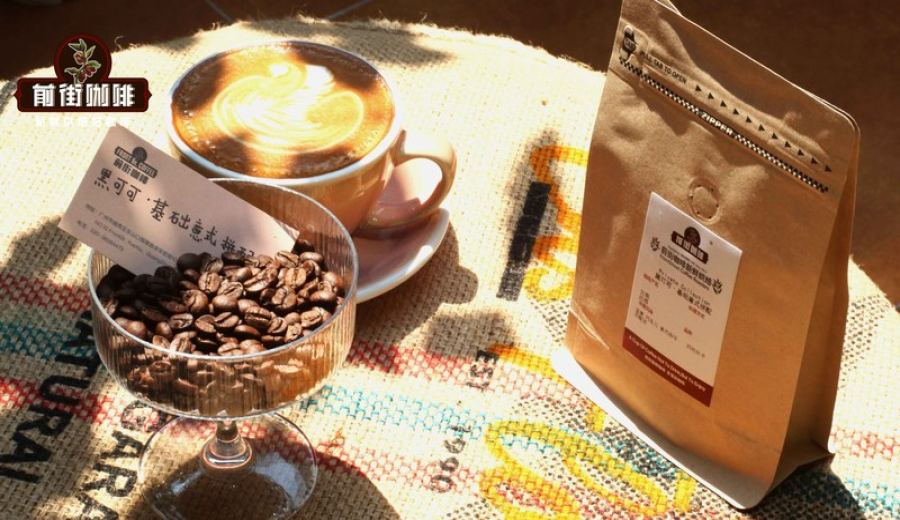
Introduction:Many people wonder whether single-origin espresso (SOE) beans can be used to make lattes. In fact, as long as you choose the right roast level, SOE milk coffee can also showcase captivating flavors. This article will guide you through how SOE beans roasted at light, medium, and dark levels perform when paired with milk, and how you can adjust bean variety and milk volume based on personal taste to find your perfect SOE latte.
Using single-origin espresso (SOE) to make lattes is not only feasible but can also present unique layers of flavor—the key lies in selecting the appropriate roast level. SOEs typically come from specific regions or batches and, compared to common blended beans, are better able to express distinct personality traits such as fruity, floral, nutty, or cocoa notes. Therefore, judging whether it’s suitable for lattes shouldn’t rely solely on the impression of being “good for black coffee,” but should be based on how well the roast level interacts with milk.
When milk is added to coffee, it not only softens acidity but also enhances sweetness and smoothness. If you opt for a light-roasted SOE, its espresso shot needs to have clear aromas and sufficient sweetness to remain recognizable even within the milk’s richness. On the other hand, if you choose a medium-dark or dark-roasted bean, the coffee itself has a more intense flavor profile, and pairing it with milk tends to result in a fuller and more familiar rich taste.
Light-roasted SOEs usually carry a bright and vibrant tone, possibly exhibiting citrus, berry, or floral characteristics. Milk coffee made from these beans tends to have richer aroma variations and avoids monotony, but it is also more sensitive to extraction conditions. Improper control over temperature, grind size, or flow rate can easily lead to overly sharp acidity that the milk may struggle to soften. For readers who enjoy a refreshing style, it’s recommended to try light or light-medium roasted single-origin beans, and moderately reduce the amount of milk—for example, using a double shot paired with 120 to 150 milliliters of milk to highlight the fruitiness. If the acidity feels too prominent, slightly increasing the extraction temperature or extending the extraction time can help enhance overall sweetness.
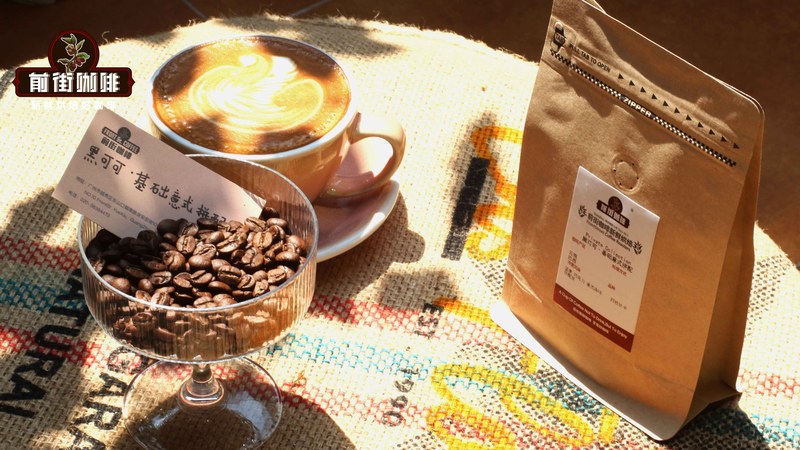
Medium-roasted SOEs are often among the best ranges for lattes, offering a flavor that’s neither too bold nor lacking in body. When added to milk, these beans can simultaneously present the essence of the coffee and the softness of the milk. Common profiles such as nuts, caramel, and cocoa harmonize well with the milk’s sweetness, making them highly suitable for everyday drinking—whether for an energizing breakfast or an afternoon pick-me-up.
For example, some classic blends, though not single-origin SOEs, can serve as flavor references—the combination of Brazilian and Colombian beans often showcases the roundness of roasted nuts, caramel syrup, and cocoa. When extracted via espresso machines and then mixed with milk, the overall taste is balanced and full-bodied, ideal for latte lovers who prefer a smoother, less acidic cup.
Medium-dark roasted SOEs emphasize ripe fruits, brown sugar, cocoa, and roasty aromas. The coffee liquid itself has a stronger presence, and when paired with milk, it usually results in a clear and stable flavor profile, which is very popular among consumers who enjoy a “noticeable coffee taste.” During extraction, there's no need to overly pursue extended flow time. It's suggested to first maintain a concentrated shot, then adjust the milk volume to control the overall strength, allowing each sip to offer more layers and fullness.
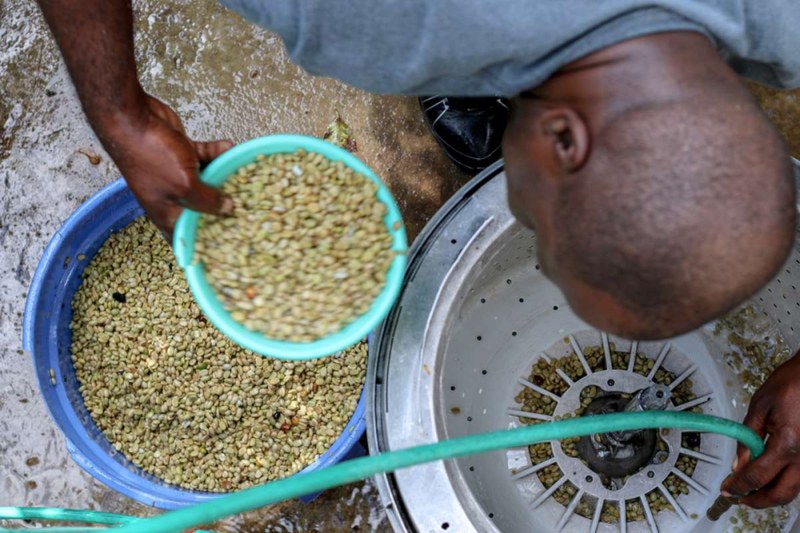
If you prefer a richer and fuller flavor, dark-roasted SOEs are also a great option. For instance, certain Indonesian Golden Mandheling beans deliver notes of wood, herbs, and dark chocolate upon entry, with low acidity and a thick mouthfeel—even in lower-milk drinks like flat whites or small lattes, they can still exhibit distinct coffee characteristics. When using larger amounts of milk, it’s advisable to increase the coffee dose slightly or reduce the milk quantity to avoid flavor dilution and a loose body.
Additionally, if you enjoy a classic bold route, you might consider medium-dark roasted blends centered around nuts, cocoa, and caramel. These beans yield a coffee liquid with good concentration, and when combined with hot milk, produce a sweet and smooth result. For home espresso machine or moka pot users, this makes them a practical choice for making lattes or Americanos.
In summary, to determine whether an SOE suits your latte, it’s recommended to start with the two main factors of “roast level” and “milk volume,” rather than focusing solely on the region name. Light roasts are suitable for smaller milk volumes and cups where aroma stands out; medium roasts are the reliable choice for most people’s daily lattes; dark roasts cater more to those seeking cocoa notes, a full body, and a pronounced coffee flavor. For first-time attempts, it’s advised to fix the coffee dose and shot volume first, then find your optimal balance by adjusting the proportion of milk.
If you find your latte tasting too much like milk, consider switching to a medium-dark roast style or increasing the extraction concentration of the coffee liquid. If the taste becomes too dry or bitter, you can shorten the extraction time, adjust the grind coarseness, or keep the milk temperature within a moderate range. There’s no absolute standard for SOE milk coffee—as long as you grasp the general direction of the roast level and fine-tune based on the bean’s characteristics and cup type, you can find the perfect latte that combines single-origin uniqueness with a comfortable taste.
The above content is compiled by CoffeeHunters, a coffee news website.

