







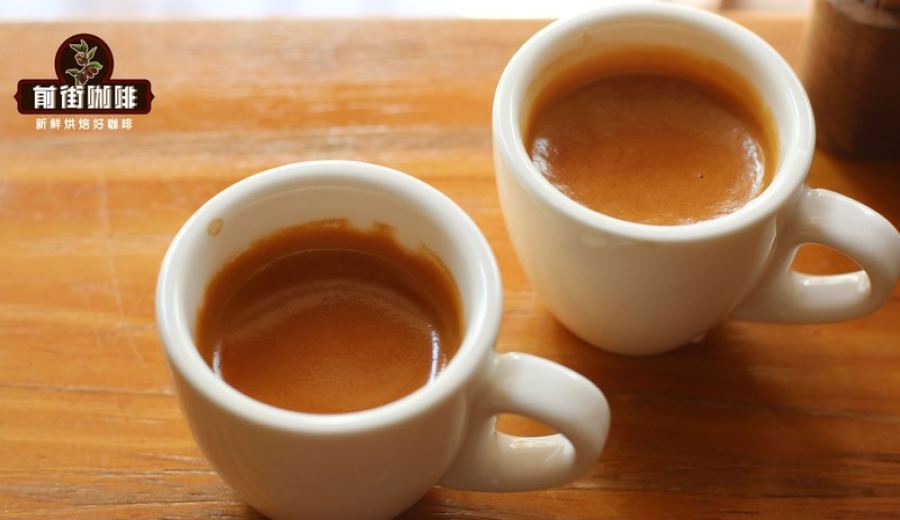
Introduction:Single-origin espresso (SOE), with its distinct regional characteristics, is greatly influenced by roast level in terms of final flavor profile. This article delves into the differences between light, medium, and dark roast SOEs in acidity, sweetness, aroma profiles, and extraction responses, and provides practical parameter suggestions to help you find the roast style that best suits your taste—whether you prefer pour over or espresso brewing.
SOE, or single-origin espresso, shines in its ability to clearly showcase the unique personality of coffee beans from a specific origin. When you choose between dark or light roast, you’re essentially deciding whether this cup of coffee will be dominated by bright fruit acids and floral notes, or lean toward rich cocoa, nuts, and sweet aftertastes. If you prefer pure espresso or often dilute it into Americano, light roast can highlight more distinct origin characteristics; whereas if you mainly use it for milk-based drinks like latte or cappuccino, the bold texture of dark roast usually blends better with milk.
Light roast SOEs typically retain more of the origin’s native aromas, such as citrus fruits, berries, cherry blossoms, or tropical fruit notes, while also offering more vibrant and layered acidity. Due to the beans’ denser structure and higher density, solubles are released more slowly, so precise control over parameters is required during espresso extraction to balance aroma and sweetness. With proper extraction, it can present clear fruity and floral notes along with lively sweetness; but if parameters are off, especially under-extracted, it may result in sharp, thin flavors, losing the delicate expression SOE is known for.
In contrast, dark roast SOEs undergo longer high-temperature treatment, shifting flavors toward dark chocolate, roasted nuts, caramel, and even smoky complexity, with acidity taking a back seat. The overall mouthfeel becomes richer and more stable. Because dark roast beans have a looser structure and allow easier water penetration, they often reach ideal concentration more quickly during espresso extraction. However, be cautious: over-roasting or excessively long extraction can lead to excessive burnt bitterness, masking the intended sweetness and aroma and affecting overall balance.
For those who enjoy a straight shot of espresso in the morning or like to dilute it into iced Americano, a light to light-medium roast SOE is a better choice. Especially as the espresso cools, fruit tones and sweet acidity become more pronounced, and adding ice helps maintain a refreshing aroma. If you typically drink lattes, flat whites, or cappuccinos, medium-dark to dark roast SOEs provide enough coffee backbone, ensuring the milk doesn’t completely overpower the coffee’s own character.
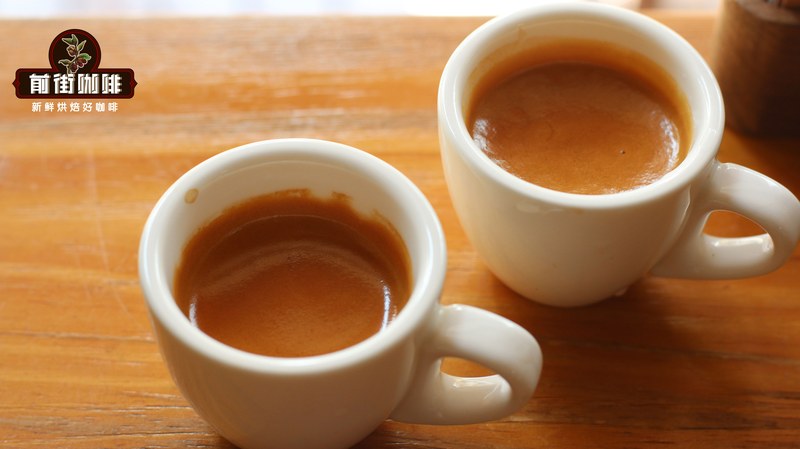
For example, an Ethiopian Huila from a certain coffee brand is one of the representative light roast SOEs. This bean easily showcases aromas of ripe fruit, berries, and passionfruit, with a clear sweetness and smooth mouthfeel. It’s suitable not only for shorter espresso shots but also for extended extraction when making iced Americano. If the acidity feels too prominent, slightly increasing the yield can create a smoother transition between fruit acid and sugar notes.
Another bean from the same brand, Kenyan Little Tomato, is better suited for those who enjoy clear acidity and juicy body. This bean often carries aromas of cherry tomato, dark plum, and brown sugar, delivering a lively yet non-aggressive taste with a clean finish. When using it for SOE, try making iced Americano—lower temperatures can mellow the acidity. If you prefer straight espresso, it’s recommended to wait until the liquid cools slightly before drinking to fully appreciate its layered aroma.
The charm of dark roast SOE lies not in simply pursuing intense bitterness, but in achieving a balance between concentration, sweetness, and mouthfeel weight—delivering a rich experience akin to cocoa paste, roasted nuts, caramel, or even black sugar. These beans pair exceptionally well with breakfast, desserts, or as the base for milk coffee, giving the entire drink a distinct coffee structure. If you prefer traditional café-style Americano or want a clear coffee presence in your milk drink, dark roast SOE is the more fitting choice.
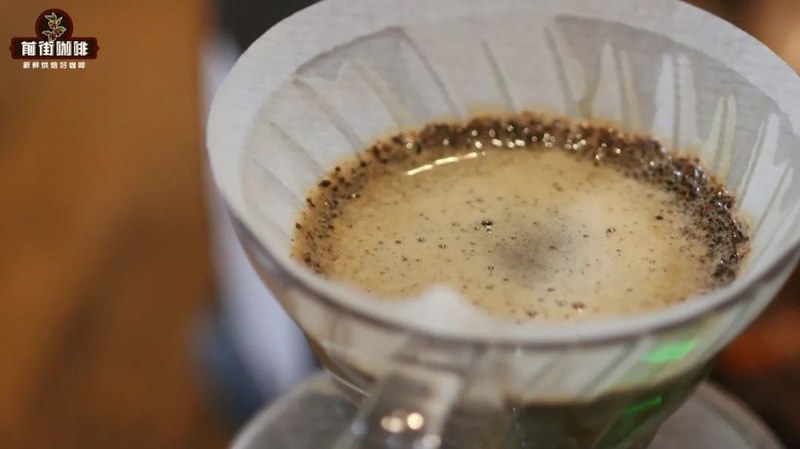
During actual extraction, for light roast SOE, start with slightly higher water temperature, finer grind size, and a marginally longer extraction time to allow the beans more opportunity to release aroma and sweetness. If you encounter harsh acidity, it usually means soluble compounds haven’t been fully extracted—consider extending extraction time or slightly adjusting grind size. For dark roast SOE, start with slightly lower water temperature and shorter extraction time to effectively control burnt bitterness. If the flavor seems too thin, gradually adjust yield and extraction parameters.
Finally, a reminder: when selecting SOE, don’t rely solely on simple categorizations like “light,” “medium,” or “dark” roast marked on the packaging. Also pay attention to roast date, actual bean color, and detailed flavor descriptions. Even beans labeled as light roast may differ in concentration and acid-sweetness ratio due to variations in the roaster’s firing curve and processing methods. Additionally, factors like home espresso machine pressure stability, grinder fines control, and whether the machine is sufficiently preheated can all affect whether light roast beans can be smoothly extracted into a full and balanced shot. It’s recommended to first decide your desired drink type (e.g., juicy Americano or bold milk coffee), then determine the roast direction, and fine-tune to find your ideal SOE flavor profile.
The above content is compiled by CoffeeHunters, a coffee news website.

