







Introduction:Brewing a single-origin espresso (SOE) with floral-fruity or rich chocolatey notes at home is not as difficult as it may seem. By understanding how different roast levels affect extraction and mastering the coordination of water temperature, grind size, and brew time, even a home semi-automatic espresso machine can produce espresso that highlights regional characteristics. This article will guide you on how to adjust suitable extraction parameters according to light, medium, and dark roast levels, helping you find your own preferred SOE flavor.
A cup of espresso with enchanting floral notes, bright acidity, or mellow cocoa sweetness is not something you can only enjoy in a professional café. Single-origin espresso (SOE) is made from coffee beans sourced from the same origin or batch, and whether at home or in a professional setting, its unique flavors can be highlighted through proper brewing techniques. As long as your home semi-automatic espresso machine has stable temperature control, pressure performance, and grinder consistency, you can experiment with everything from light to dark roasts to find the extraction method that suits you best.
The key to making SOE with a home machine lies not in memorizing a fixed set of values, but in learning to flexibly adjust extraction strategies based on the roast level of the beans. Light-roast beans have a compact structure, and although they are rich in aromatic compounds, their release is slower; medium roasts strike a better balance between sweetness and body; dark roasts, due to their looser bean structure and faster dissolution rate, tend to release intense bitterness and roasted aromas. Therefore, even if you use the same dose, water temperature, and extraction volume, switching to beans of a different roast level often requires re-adjusting the extraction parameters.
For light-roast SOEs, it’s recommended to start with a higher water temperature and slightly longer extraction time. For example, using 18 grams of coffee, you can try setting the water temperature between 93–96°C and extracting 40–48 grams of liquid, keeping the total extraction time between 28–38 seconds. A finer grind is recommended in this case, and it’s essential to ensure even distribution and firm tamping so that water flows steadily and uniformly through the coffee puck. If you notice pronounced sharp acidity or an overly thin mouthfeel, you can further fine-tune by grinding finer or extending the extraction time slightly.
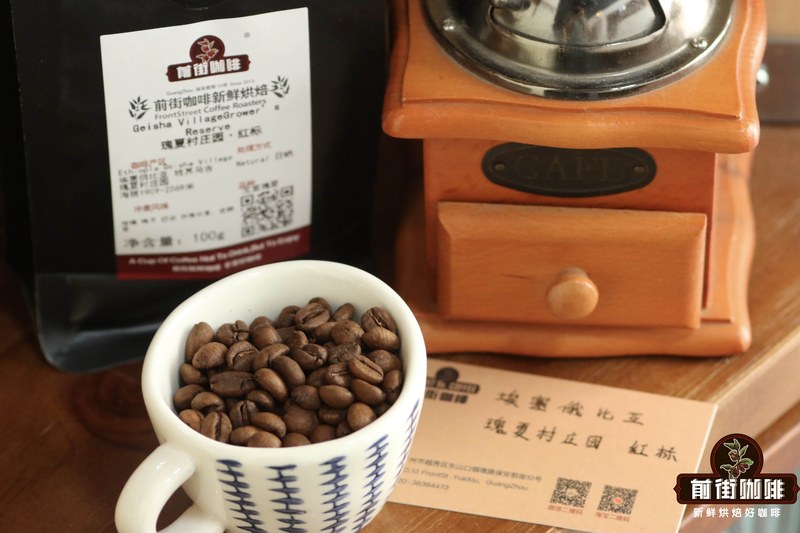
Take, for example, Panama Geisha Red Label from Finca Esmeralda — a light-roast bean well suited for observing delicate changes in aroma. The cup often features white flowers, citrus peel, and a tea-like freshness. When brewing this bean as an SOE, you can start with 18 grams of coffee to 42 grams of liquid, with the water temperature set to 94°C. This bean works well as a straight short-shot espresso or as a lower-ratio Americano. Adding a small amount of hot water can further enhance its floral-fruit and tea-like qualities.
It’s important to note that with light-roast SOEs, higher temperatures and finer grinds do not always mean better results. If you find that even after extending the extraction time, the acidity remains too sharp, it could be due to a too-dense coffee bed causing uneven water flow. If the finish feels dry and the aroma noticeably drops off, consider using a slightly coarser grind or reducing the yield slightly. If you want to highlight fruity notes, avoid simply chasing high extraction yields — stability in sweetness and a good aftertaste are the foundations of a high-quality light-roast SOE.
Medium-roast SOEs are generally easier for home users to handle. Using 18 grams of coffee as a base, it’s recommended to start by extracting 36–40 grams of liquid, with a water temperature range of 91–94°C, and an overall brew time of around 25–32 seconds. This extraction range can achieve a balanced expression of body, sweetness, and aroma. If you plan to use it for a latte, aim for a yield around 36 grams to ensure the coffee still shines through the milk. If you prefer an americano, you can extend to 40 grams to allow the flavors to open up more.
For example, Yirgacheffe Guddu Dingding falls between light and medium roast, featuring pronounced citrus, berry, and floral notes — making it highly suitable for practicing SOE brewing. We recommend using 18 grams of coffee to 38 grams of liquid, with the water temperature controlled at 92–93°C. It has a bright acidity when consumed straight, becomes smoother with hot water added, and when brewed as an iced americano, it really highlights its refreshing fruit character. It's a very beginner-friendly practice bean.
As for dark-roast SOEs, a relatively conservative adjustment strategy is advised. Using 18 grams of coffee as an example, you can start by extracting 27–32 grams of liquid, with the water temperature set at 88–92°C and the time controlled between 20–28 seconds. Since dark-roast beans dissolve more quickly, it’s advisable to avoid too fine a grind, which can lead to over-extraction, resulting in burnt bitterness and astringency. If using it for milk-based coffee, keeping the yield lower allows the cocoa, nutty, and roasted sweet notes to be more cohesive and layered in the milk.
To judge whether the extraction parameters are appropriate, start by assessing the balance of acidity and sweetness on the palate, then observe whether there is any dryness on the tongue surface or noticeable bitterness lingering in the throat. If the taste is acidic and hollow, it’s usually a sign of under-extraction — try using a finer grind or increasing the yield. If you perceive strong bitterness or astringency, it’s recommended to reduce the yield, lower the water temperature, or slightly coarsen the grind. If the overall strength feels insufficient, first check whether the total output is adequate and whether the puck is evenly compressed, rather than making large-scale adjustments to all settings right away.
When using a home espresso machine, also pay attention to the freshness of the beans, the grind setting on your grinder, and whether proper pre-infusion is applied. Each time you switch to a new bean, it’s recommended to let the machine fully preheat, and use a scale to accurately measure both coffee dose and yield, while recording the actual brew time. If you notice significant changes in flow rate under the same grind setting, also check whether the coffee dose is consistent. While pressure gauge readings can be a reference, the real indicators of extraction quality are the coffee’s flow rate, aroma, and overall mouthfeel.
In summary, adjusting SOE extraction parameters according to roast level provides a more directional approach: light roasts focus on highlighting floral-fruity notes and ensuring full extraction, medium roasts seek balance between sweetness and body, and dark roasts require controlling bitterness while preserving appropriate body and texture. Start by selecting beans that match your drinking preferences, then make gradual adjustments to temperature, grind size, and yield. Even with a home espresso machine, you can brew a single-origin espresso that showcases the unique personality of its origin.
The above content is compiled by CoffeeHunters, a coffee news website.

