







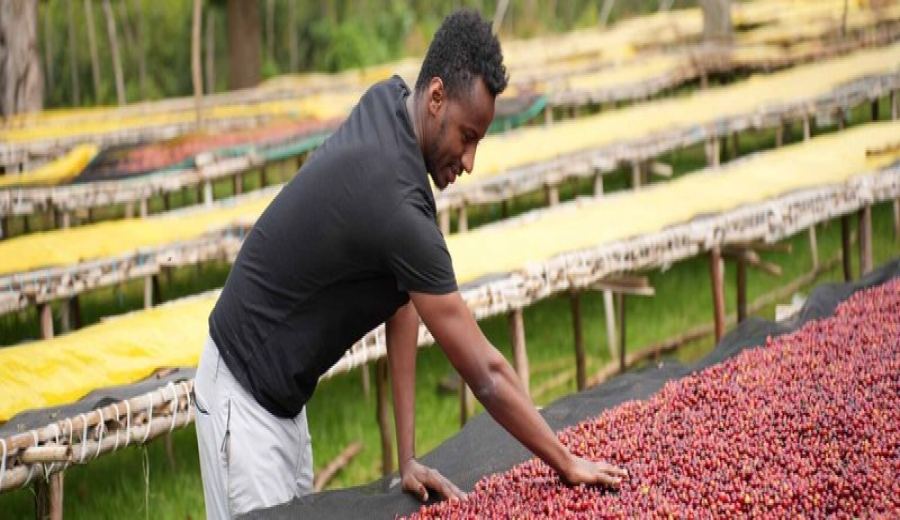
Introduction:If you want to experience distinct regional flavors through single-origin coffee beans (SOE), roast level is the most crucial starting point. From light to medium-dark roasts, each method highlights different aromatic profiles. Whether you prefer bright acidity, floral and fruity notes, or mellow caramel and rich sweetness, mastering the relationship between roast level and extraction will help you find the SOE that suits your taste best. This article details how different roast levels affect flavor and offers practical bean selection and brewing advice.
If you’re looking to enjoy an espresso that showcases the unique character of a specific origin, choosing an SOE (single-origin coffee bean) is an intuitive and terroir-driven option. Compared to common blends, SOEs don’t rely on blending beans from multiple sources to create a uniform flavor profile but instead focus on the original aromatic characteristics of a single region and batch. By adjusting the roast level, you can easily find your preferred expression among bright fruit acidity, delicate floral notes, sweet caramel, and rich, mellow body.
The term SOE generally refers to espresso beans sourced from a single origin, and many cafés also use them as the base for drinks like Americano, latte, or flat white. It’s important to note that “single origin” doesn’t mean every cup will taste exactly the same—varietal, processing method, harvest season, and roast technique all significantly influence the final flavor. Therefore, when selecting from a coffee menu, observing the roast level will be your first clue to understanding the flavor direction the beans will take and how they are best enjoyed.
Light-roast SOEs typically emphasize vibrant acidity, fresh floral notes, and rich fruit tones. In espresso extraction, their aroma is highly concentrated, often reminiscent of fresh citrus juice or berry tea. These beans are well-suited for high-ratio short extractions like ristretto, or for making Americano by adding water. They also pair well with ice to extend the release of aroma. If you enjoy refreshing, layered drinks, start your exploration with light-roast SOEs.
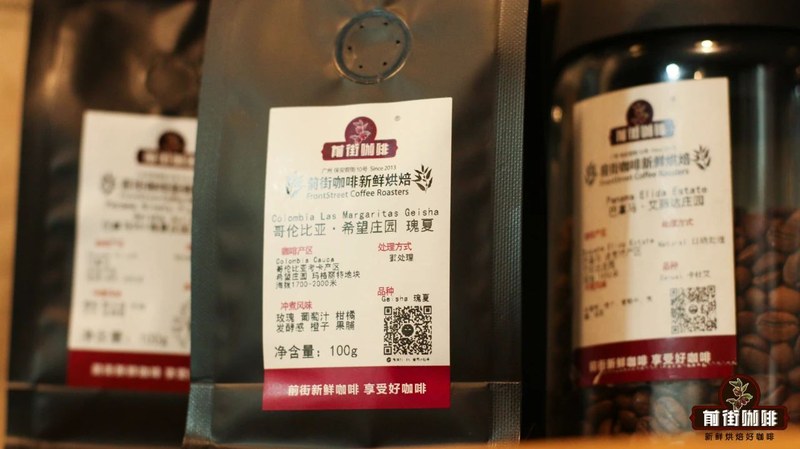
Take Colombia’s Geisha variety, for example, a classic representative of light-roast SOEs. Its espresso easily releases associations with tropical fruits, dark berries, and even a hint of grape-like sweet acidity. As the temperature drops, the overall profile becomes even lighter and crisper. When used for iced Americano or cold drip espresso, the sweet and sour notes become more vivid and clear. For direct consumption, it’s recommended to control the yield to maintain a concentrated aroma.
Moving to medium-roast SOEs, acidity usually becomes rounder and less sharp, while sweetness and texture achieve a better balance with the unique aromas of the origin. These are not only suitable for pure black coffee but also pair well with a small amount of milk. For drinkers transitioning from blends to single-origin coffee, this roast level is easier to grasp and appreciate—the inherent “coffee flavor” remains distinct, while subtle differences in floral, fruity, nutty, and caramel notes are also clearly perceptible.
For instance, certain Panama Geisha varieties roasted to a light-to-medium level (such as the Red Label from Hacienda Esmeralda) can exhibit floral, citrus peel, and delicate tea-like aromas in espresso form, with even more nuanced layers as they cool. These beans are recommended for small-cup espresso or Americano with reduced water, as milk can easily overpower their delicate floral notes. To fully appreciate the unique character of the origin, it’s best to experience them as black coffee first.
As for medium-dark roast SOEs, the flavor profile shifts markedly toward cocoa, roasted nuts, caramel, and a fuller mouthfeel, with acidity taking a backseat. These are ideal for espressos, lattes, and mochas that require a rich and bold foundation. This roast level doesn’t solely deliver bitterness—if extraction yield and water temperature are well controlled, it can still retain a smooth, sugary sweetness. If you prefer a rounded, mellow coffee with lower acidity, consider starting with SOEs at this roast level.
For everyday drinking scenarios, if you’re having iced Americano, light or light-medium roast can let the ice highlight more vibrant fruitiness; for hot Americano, medium roast is recommended for better balance between sweetness and aroma; for milk-based drinks like latte and flat white, medium to medium-dark roast SOEs are suggested to maintain the presence of coffee alongside the milk. If you want a bean that can flexibly suit various drink types, medium roast is usually the most convenient and adjustable option—just tweak the milk and water ratios to shift the flavor focus.
In practice, it’s advisable to record your grind size, coffee-to-water ratio, and extraction time, and observe the sequence and intensity of acidity, sweetness, and bitterness on your palate. If a light-roast bean tastes overly sharp, it may be that the aroma hasn’t fully developed—consider slowing the pour rate or slightly increasing the water temperature. Conversely, if a medium-dark roast leaves a dry or astringent finish, try shortening the latter part of extraction to let sweetness come through more prominently in the overall flavor.
Additionally, upon receiving new beans, it’s recommended to let them rest according to the resting period suggested on the packaging before consuming, and to purchase based on your own consumption rate. This way, the changes in the flavor curve will be easier to manage and predict. In summary, there’s no absolute standard for choosing SOEs: if you’re drawn to fruity and tea-like notes, light roast is a good starting point; for sweetness and overall balance, medium roast is ideal; if you prefer a cocoa-like mellow profile and strong performance in milk coffee, medium-dark roast will meet your needs.
The above content is compiled by CoffeeHunters, a coffee news website.

