







Introduction:Choosing the right roast level is the crucial first step to unlocking the potential of your home espresso machine. Coffee beans at different roast stages vary in aroma, sweetness-acidity balance, and body, which directly affect how you adjust extraction parameters. This article will analyze the characteristics of the three main roast styles—light, medium, and dark—and provide practical advice to help readers select high-value, flavorful beans suited to their daily habits, while mastering basic adjustment techniques.
For home espresso machine users, roast level often has a more practical impact than origin when choosing beans. Light roasts emphasize fruity notes and bright acidity, medium roasts strike a balance between sweetness and body, while dark roasts are known for their rich cocoa and nutty profiles. To enhance your everyday coffee experience, selecting beans based on the types of drinks you usually enjoy—such as black coffee, lattes, or cold beverages—is usually more cost-effective than chasing rare origins.
Light roast beans can showcase bright fruity characteristics on home espresso machines, but they are more sensitive to grind size, water temperature, and extraction time. If your machine has good preheating stability and consistent pressure output, you can try these beans; however, if your equipment only has basic functions, it’s recommended to start with the “light-to-medium roast” range. This allows you to enjoy fresh aromas without overly sharp acidity.
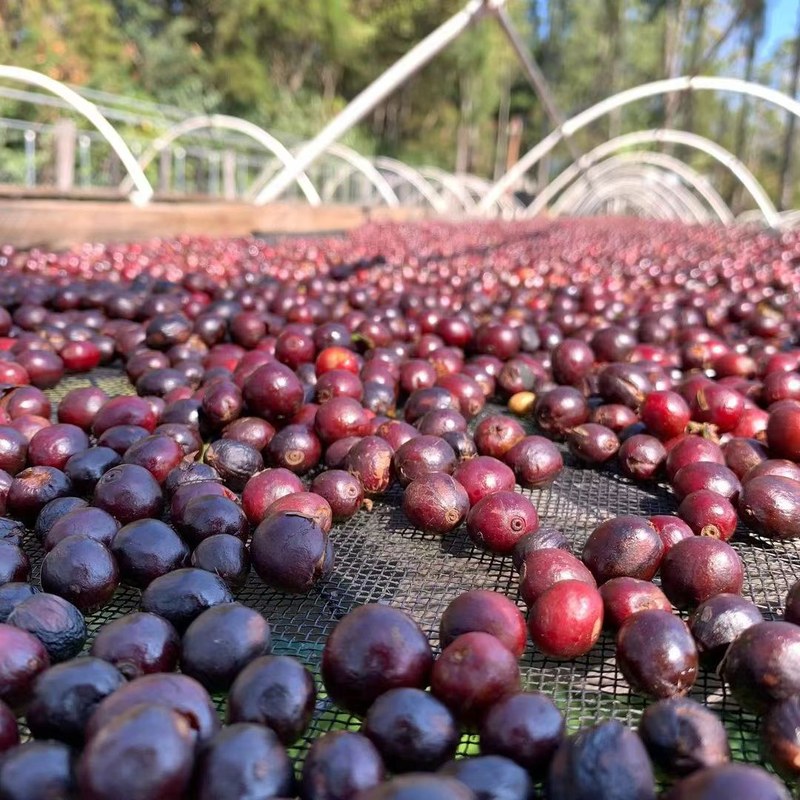
If you want to make an Americano or iced coffee with fruity tones, consider beans with berry flavors. Some beans release gentle sweet aromas even during the espresso stage. When pulled as a short shot and mixed with ice water, the fruitiness becomes more vibrant. Even with a small amount of milk added, the sweetness remains clear, making it suitable for home users who want occasional flavor variety.
For light roast beans, it’s suggested to start with a slightly higher water temperature (around 92–94°C) and a finer grind, but don’t aim for excessively long extraction times. If you notice obvious sharp acidity, it usually means the sweetness hasn’t been fully released. If the finish feels astringent, you might try adjusting the grind slightly coarser or reducing the yield. It’s recommended to taste the espresso shot on its own first, then decide whether to add water or milk.
Medium roast beans are the most user-friendly choice for home espresso machines. Their aroma is subtle and well-balanced, with a good harmony between sweetness, body, and aftertaste. These beans are suitable for daily drinking, especially for households that need the same machine to handle both black coffee and milk-based drinks. For beginners learning to adjust espresso extraction parameters, the changes in medium roasts are generally easier to perceive and control by taste.
Some medium roast blends featuring dominant notes of nuts, caramel, and cocoa offer stable everyday performance. When directly extracted as espresso, these beans deliver a smooth mouthfeel, and even after adding hot water, they retain a clear sweet foundation. When making lattes, the coffee flavor won’t be completely overshadowed by the milk. These characteristics suit breakfast, office settings, or situations requiring continuous service, and they perform well without requiring complex techniques.
When using medium roast blends, start with a balanced espresso concentration, then adjust the ratio of milk to water based on the final drink type. For Americanos, if the aroma becomes weak after adding more water, check whether the grind or water temperature needs slight adjustment. For lattes, it’s recommended to add milk gradually to avoid disrupting the balance. If the taste feels too acidic, try a slightly finer grind; if the finish is too dry, reduce the yield or extraction time.
Dark roast beans are ideal for those who prefer a bold flavor, especially regular milk coffee drinkers. This roast style often features notes of dark chocolate, roasted nuts, and caramel, with relatively subdued acidity. Even when a short shot is pulled and mixed with milk, the distinct coffee flavor remains clear. For home espresso machines, dark roast beans produce a predictable cup profile, with more straightforward adjustments—making them a great choice for consistent boldness.

Some dark roast blends with dominant notes of dark chocolate and roasted nuts develop notable body and sweetness during the espresso stage, creating a cocoa-like latte experience when milk is added. For Americanos, slightly reducing the water volume helps maintain a solid mouthfeel and avoids thinness. Dark roast beans typically don’t require very high temperatures to “extract” flavors; using a relatively mild water temperature and shorter extraction time helps preserve sweetness layers.
If dark roast coffee tastes overly bitter or burnt, consider using a coarser grind or shortening the extraction time to stop earlier. If the flavor feels too thin, gradually increase the yield and observe the changes. When adjusting, it’s best to change only one parameter at a time for more accurate assessment.
Roast selection is also closely related to purchasing strategy. If your household mainly drinks milk coffee, prioritize stable medium-to-dark or dark roast blends. If you often drink Americanos or occasionally make iced drinks, medium roasts offer more flexibility. For those who enjoy exploring fruity variations, you may include light roast beans in your rotation. Regardless of the roast type chosen, always check the roast date to ensure freshness, and choose an appropriate package size based on your consumption rate.
The value of a home espresso machine isn’t just in its price, but also in whether the beans you choose can consistently bring out the flavors of your favorite drinks. Light roasts offer fresh and varied profiles, medium roasts provide the balance needed for daily use, and dark roasts satisfy the craving for bold intensity. Starting from a roast level that suits your drinking habits and gradually refining extraction parameters lets you explore a richer coffee world with just one machine.
The above content is compiled by CoffeeHunters, a coffee news website.

