








Introduction:Choosing the right espresso beans not only affects the flavor of a shot of espresso but also determines the overall performance when paired with milk or used to make an Americano. This article explores how roasting levels—from light to dark—affect acidity, sweetness, aroma, and mouthfeel, helping you find the most suitable roast level and usage tips based on your daily coffee preferences, such as espresso, latte, or Americano.
Much of the charm of espresso lies in the differences brought by roast levels. Different roasting styles directly alter the acidity, aroma layers, body, and aftertaste length of an espresso shot. Many people assume that simply choosing beans labeled “espresso blend” is foolproof, but what’s more critical is first clarifying which type of coffee you drink most often—whether it's a straightforward espresso or a milk-based drink like a latte or cappuccino. Once your drinking preference is clear, selecting beans based on roast level will be far more practically useful than relying solely on an “ideal for espresso” label.
Light Roast Espresso Beans: The Challenge of Bright Acidity and Fruity-Floral Notes
Light-roasted espresso beans typically retain more of their origin-specific characteristics, such as citrus, berries, subtle floral notes, and even a hint of tea-like quality. When brewed as espresso, these beans tend to showcase more pronounced acidity, resulting in a brighter, livelier flavor profile. They are well-suited for coffee enthusiasts who enjoy single-origin profiles or who enjoy challenging their extraction skills. Additionally, light roast beans are often used to make iced Americanos, highlighting clear fruit acidity and layered complexity.
However, light roast beans are usually denser and harder, requiring more precise control over grind size, water temperature, and extraction stability. If your home espresso machine experiences significant fluctuations in temperature or pressure, uneven extraction can easily occur, leading to overly prominent acidity, insufficient sweetness, or even unpleasant astringency.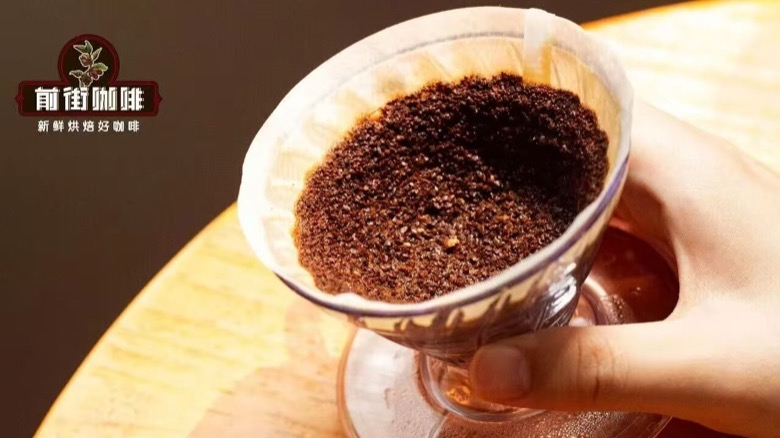
Medium-Light Roast: A Balanced Entry Point Offering Fruitiness and Sweetness
For those just starting to use an espresso machine at home, medium-light roast is a relatively approachable and user-friendly option. These beans retain some fruity and bright acidic qualities while developing more noticeable sweetness and body through moderate roasting times. Even when diluted into an Americano, they don’t easily become thin or flat.
When a small amount of milk is added, medium-light roast beans can express soft, caramel-like, ripe fruit, and cocoa tones, making them ideal for those who want to easily switch between black coffee and milk coffee. Whether for iced Americanos or regular espressos, medium-light roast provides a foundation that is flavorful yet balanced.
Medium Roast: A Reliable, Everyday-Friendly Flavor
Medium-roasted espresso beans generally offer a well-balanced interplay of acidity, sweetness, and bitterness. The acidity doesn't overpower, and there is good harmony between sweetness and a rich mouthfeel. This roast level works well for various brewing methods—whether you’re drinking espresso solo, making an Americano, or pairing it with milk for a latte or cappuccino, the results are consistently satisfying.
For households with diverse taste preferences or members with varying palates, medium roast beans often provide greater flexibility and a higher margin for error. Adjustments are relatively easy, making this roast range the top choice for many home espresso machine users.
Medium-Dark Roast: Rich and Full-Bodied, Perfectly Paired with Milk
Medium-dark roast serves as the foundation for many traditional styles of espresso, commonly featuring flavors such as nuts, brown sugar, cocoa, and distinct roasty aromas. These beans have a full body and a long-lasting aftertaste, blending exceptionally well with milk—even in lattes, the coffee’s core character isn’t easily overshadowed by the milk. When used for short extractions, they can deliver a rich and textured mouthfeel.
If you prefer low-acidity coffee with a balanced sweetness and bitterness, or if you typically enjoy coffee with breakfast, medium-dark roast is definitely worth considering.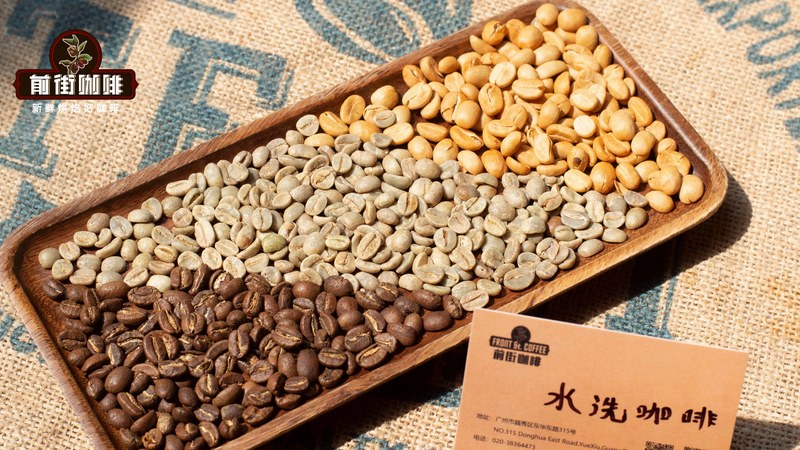
Dark Roast: A Bold and Heavy Coffee Experience
Dark-roasted espresso beans typically feature aromas leaning toward dark chocolate, roasted nuts, and caramel, sometimes accompanied by a slight smokiness. Their acidity is more restrained, resulting in a stable and weighty mouthfeel. Though often perceived as bitter, the intensity of bitterness actually depends on extraction parameters such as coffee-to-water ratio, water temperature, grind size, and brew time.
Dark roast is suitable for making espresso, milk coffee, and bold-style Americanos. When purchasing, it’s recommended to check the flavor descriptions provided by the roaster and opt for versions with sweet or cocoa-like notes to better match your personal taste.
When selecting specific beans, in addition to roast level, don’t overlook details on the packaging such as roast date, bean form (whole bean or pre-ground), and suggested brewing methods. Since espresso demands high grind uniformity, buying whole beans usually ensures more consistent extraction compared to pre-ground coffee. It’s advisable to purchase about two to three weeks’ worth of beans at a time based on your household consumption rate, reducing the loss of aroma after opening.
With newly opened coffee beans, there’s no need to immediately apply fixed parameters. Observe the degassing status of the bag first, then gradually adjust the dose, extraction time, and yield to find the combination that best suits your taste. By actually brewing espresso, Americanos, and milk coffee, you can more comprehensively assess whether a bean fits your daily needs and more easily explore the enjoyment of different origins and blends.
The above content is compiled by CoffeeHunters, a coffee news website.

