







Introduction:Choosing the right blend with the appropriate roast level is the first step toward finding your ideal coffee flavor. Different roast levels not only affect aroma and taste but also determine the suitable brewing methods and pairing occasions. This article will take you through a detailed analysis of various blends from light to dark roasts, offering practical advice on bean selection and brewing to help you discover the most satisfying coffee experience based on your daily drinking habits.
The allure of blended coffee beans lies in how they combine beans from different regions and processing methods to create a more balanced and layered coffee experience. To determine which blend suits you best, you can start by considering the “roast level”: light roasts bring bright acidity and fresh fruity notes, medium roasts offer sweetness and smooth mouthfeel, while dark roasts emphasize rich cocoa, nutty, and toasty aromas. Understanding these basics will give you a clearer direction in your selection.
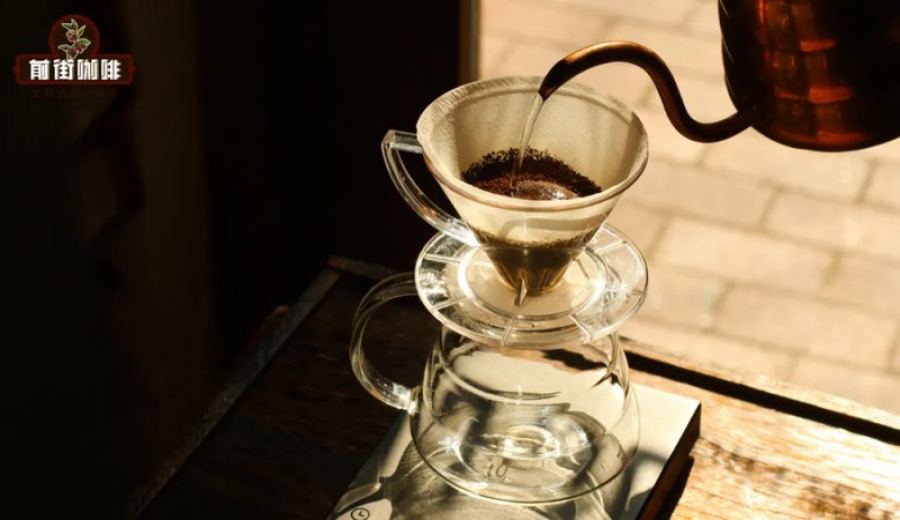
If you prefer fruity or floral notes, or enjoy a clean and layered mouthfeel,light roast blendsmight be your top choice. These beans can clearly express their aromas in black coffee, often delivering vibrant sweet-and-sour flavors that become even more distinct as the cup cools. They are well-suited for brewing methods such as pour-over cones, iced pour-over, or cold brew, which can fully highlight their refreshing qualities. If you usually enjoy coffee this way, look for blends labeled as “light roast,” “fruity,” or “berry-toned” for a lighter and more delightful cup.
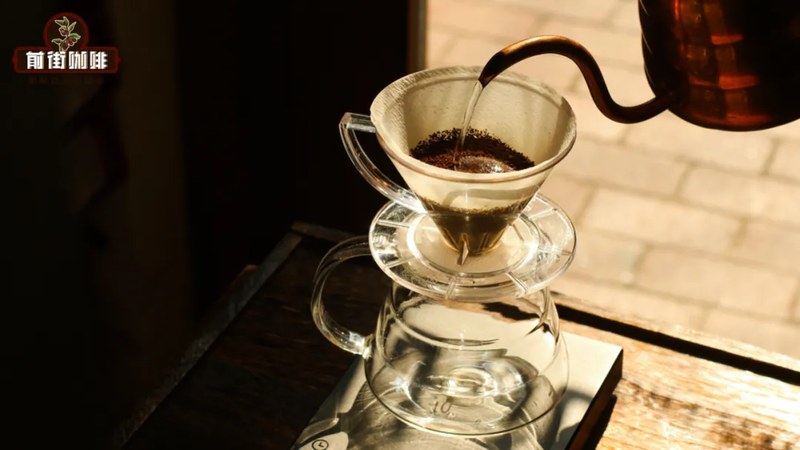
For example, some light roast blends emit a sweet aroma reminiscent of strawberry jam or candy right when you open the bag. When brewed with a pour-over cone, the hot drink preserves its bright fruity character, and adding ice transforms the sweet-and-sour notes into a juice-like refreshment. If you want to make an Americano with layered flavors, consider increasing the coffee concentration so the aroma remains clear even after the ice melts.
When paired with milk, light roast beans have their acidity softened by the creaminess, and the sweetness becomes more rounded—though this works best when the coffee itself isn’t too thin. When making a latte, you can slightly reduce the milk ratio to let berry, citrus, or floral notes stand out. But if you prefer a richer, milk-forward cup, a medium-to-dark roast blend might better maintain the presence of the coffee itself.
If you want a bean that works well with multiple brewing methods,medium roast blendsare a highly practical option. These beans balance caramel-like sweetness with stable aroma expression, and their acidity usually doesn’t overpower. They’re suitable for various brewing tools like pour-over cones, espresso machines, and moka pots, making them ideal for those who have multiple brewing devices at home and vary their coffee routines daily. When selecting, look for blends featuring notes of nuts, cocoa, caramel, and soft fruity acidity.
For instance, some medium roast blends deliver a sweet and smooth profile with flavors resembling roasted nuts, cocoa paste, and caramel syrup. They offer a silky mouthfeel. For pour-over, using medium water temperature helps highlight their gentle sweetness; in an espresso machine, the coffee shows good concentration; and with a moka pot, it’s great for direct drinking or with a touch of hot milk for added smoothness.
For busy mornings, commuting, or situations where you need a quick cup,medium-to-dark roast blendsare often more fitting. The aromas of these beans tend to focus on directions like dark chocolate, roasted nuts, caramel, and baked grains, with more restrained acidity and a heavier mouthfeel. They don’t taste hollow or thin when made into Americano, and still retain the coffee's main character even when milk is added.
These blends suit those who enjoy bold flavors, often bringing notes of dark chocolate and roasted nuts with a solid sweet finish. Whether for espresso or Americano, extraction with an espresso machine works well. For lattes or cappuccinos, the coffee cuts through the milk’s smooth texture, delivering a cocoa-candy-like sweetness.
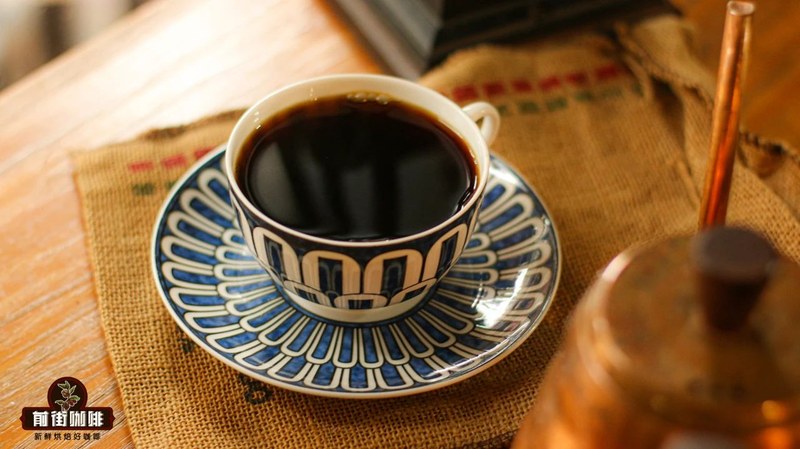
When it comes to dark roast blends, many people’s first impression might be “bitter,” but the actual cup profile is closely related to grind size, water temperature, and extraction time. If using an espresso machine, it’s recommended to start with a shorter extraction ratio to avoid excessive bitterness from late-stage release. If brewing with a pour-over cone, avoid overly high water temperatures or too fine a grind—this helps preserve sweetness while reducing dryness.
When purchasing blends, also consider your usual ratio of black coffee to milk coffee. If you mainly drink espresso or lattes, you might lean toward medium-to-dark or dark roast blends. If you frequently enjoy pour-over or iced coffee, try light or medium roasts to explore different flavor profiles. If your household has diverse taste preferences, medium roast blends usually balance both brightness and body.
After receiving new beans, it’s recommended to try a cup using your familiar brewing method first, carefully observing the aroma, body, sweetness, and aftertaste, then decide whether you need to adjust extraction parameters. For instance, if a light roast feels too sharp, you can extend the extraction time or increase the coffee-to-water ratio. If a dark roast feels too heavy, shorten the contact time or lower the water temperature. Once you find the roast level that suits your taste best, you can further compare different blend combinations, making future bean selections more informed.
In summary, the charm of blended coffee lies in its ability to deliver stable and layered flavors across different brewing tools and methods. Whether you prefer fruity freshness, sweet balance, or intense cocoa notes, mastering the relationship between roast levels and your personal drinking habits will help make each cup of coffee more aligned with your ideal taste.
The above content is compiled by CoffeeHunters, a coffee news website.

