








Introduction:The key to choosing a suitable home-use espresso blend lies in understanding how roast levels affect flavor and extraction performance. This article breaks down the characteristics of beans across light to dark roasts, helping you find the most compatible coffee based on your preferences and equipment, along with practical tips for adjusting grind size and extraction to enhance your home coffee experience.
When selecting an espresso blend for home use, the first step is usually to observe the roast level indicated on the packaging. This not only determines the coffee’s brightness, sweetness, and body, but also directly impacts the overall flavor profile when the espresso is mixed with water or milk. Whether you prefer a bright fruity note or a rich nutty and cocoa layered taste, you can find a suitable flavor direction through the classification of light, medium, and dark roasts.
Lighter roasted blends typically retain more of the bean’s inherent fruit acidity and fruity characteristics, often releasing fresh notes such as citrus, berries, or floral aromas after brewing. These beans are great for those who enjoy pure black coffee or iced Americano, but it’s worth noting that to fully bring out their sweetness, slightly higher water temperatures and a bit longer extraction time are often needed. If your home espresso machine can maintain stable temperature control and your grinder offers fine adjustment in settings, these light-roast blends will showcase more layered complexity.

In real selection scenarios, there is a commonly categorized light-aroma type blend that emits a sweet scent resembling strawberry taffy after brewing. It’s suitable for hot Americano straight drinking, and becomes even more refreshing when ice is added. When used for milk coffee, it’s recommended to reduce the milk ratio to preserve more of the fruity traits; otherwise, too much milk may dilute the originally clear fruit notes.
Medium roasted blends are the top choice for many home users, as they strike a good balance between acidity, sweetness, and body thickness. These beans do not overly emphasize acidity while still retaining caramel-like sweetness and moderate richness. Whether it’s espresso, Americano, or latte, they deliver consistent performance. For daily users who are busy and value consistency, medium roast beans offer a milder flavor response — just a slight adjustment in grind size can quickly help establish a stable extraction rhythm.
One particular medium roast blend that features nutty, caramel, and cocoa as its dominant notes delivers a noticeably sweet and mellow taste in the espresso shot. Even when diluted with hot water, it maintains good coffee aroma; when paired with milk, it is not easily completely overshadowed. A hot Americano in the morning allows you to enjoy its rounded sweetness, while making a latte results in a silky texture akin to cocoa-nut paste — very suitable for everyday home use by most families.
If your drinks are mainly milk-based coffee, you might consider expanding your selection to medium-dark roasts. Since milk dilutes the intensity of the espresso and alters the perception of acidity, the coffee liquid itself needs to have a more pronounced weight and rich foundation. Common flavors in medium-dark roasts include roasted nuts, toffee, and dark chocolate. These characteristics shine in small cups of espresso and also form a complete and balanced mouthfeel when combined with milk.
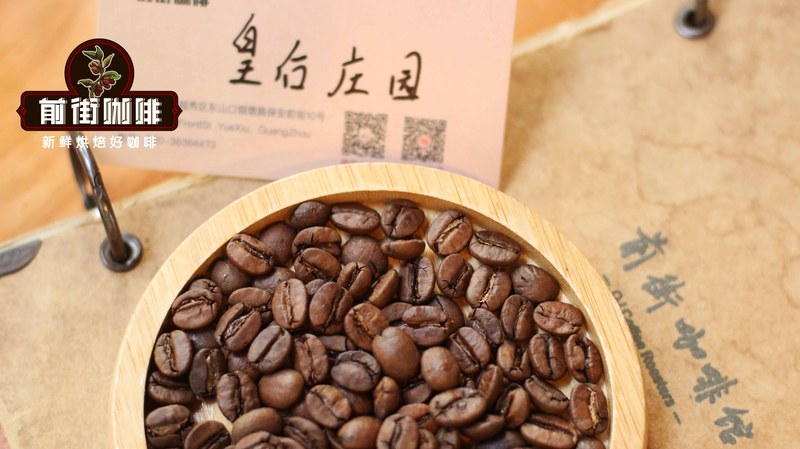
For users who prefer a heavier mouthfeel, dark roast blends are an excellent choice. The aroma of these beans leans toward caramelization and deeper roasting directions, often resulting in low acidity and a rich taste upon entry — highly aligned with traditional expectations of Italian-style coffee. However, dark roast does not necessarily mean bitter. Bitterness is more related to extraction parameters such as heat level, grind coarseness, and output volume. It’s recommended to start with slightly lower water temperature and shorter extraction time for first-time trials. If a noticeable dry or astringent sensation appears in the aftertaste, adjustments should be made to resolve over-extraction issues, rather than simply grinding the beans finer.
Under the same roast level, different drink ratios also affect the final flavor expression. For espresso, it’s recommended to keep the coffee liquid more concentrated to help judge the bean’s sweetness and body. When making Americano, you can start by adding a small amount of hot water, then adjust the ratio gradually according to personal preference. Lattes, with their larger milk volume, are better suited to medium-dark or dark roast beans to ensure the coffee flavor isn’t completely masked by milk. Fans of fruity notes can also use iced Americano to amplify the freshness and reduce milk interference with the aroma.
When purchasing a blend, it’s also important to consider the type of home espresso machine and frequency of consumption. A semi-automatic espresso machine paired with freshly ground beans can fully bring out the potential of various roast levels. Fully automatic machines are more suitable for medium to medium-dark roasts, which have higher tolerance for variation. Each time you switch to a new bean, it’s recommended to first keep the dosage and drink recipe unchanged, adjusting only the grind size. This allows the espresso to transition from possible initial sourness, hollowness, or dryness, gradually achieving a sweet and balanced result, before deciding whether further output adjustments are needed.
In summary, if you mainly drink black coffee, you can start with medium roast and then gradually try fruitier light-roast flavors. If you primarily enjoy milk coffee, prioritize medium-dark or dark roast beans. For households with diverse taste preferences, medium roast blends often satisfy the majority. By establishing a selection logic based on roast level, you’ll be able to more intuitively associate suitable cup types and optimal drinking occasions when choosing coffee beans in the future.
The above content is compiled by CoffeeHunters, a coffee news website.

