








Introduction:When selecting pour over coffee beans, the roast level is one of the key factors that influence flavor. From bright fruity notes to rich nutty profiles, different roast levels deliver distinctly varied brewing experiences. This article will guide you through the characteristics of light, medium, and dark roast beans, explain how to adjust water temperature, grind size, and brewing techniques based on personal preferences, and provide practical parameter suggestions to help you easily find your desired flavor direction.
The flavor expression of pour over coffee is closely related to the roast level of the coffee beans. Different roast levels not only affect the brightness and complexity of the aroma but also alter the acidity-sweetness balance, mouthfeel, and even the reaction speed during brewing. For beginners new to pour over, starting with the roast type when selecting beans is the most intuitive approach.
Light roast coffee beans usually retain more distinct origin characteristics, often exhibiting floral, citrus, berry, or tropical fruit notes, with vibrant and bright acidity. These beans are suitable for drinkers who enjoy refreshing fruity flavors, but it’s important to note that the brewing water temperature should not be too low to prevent the aromas from being fully released. It is recommended to start with a medium-fine grind to allow the hot water enough time to extract sweetness, and wait for the coffee to cool slightly after brewing—often the fruitiness and aftertaste will become clearer.
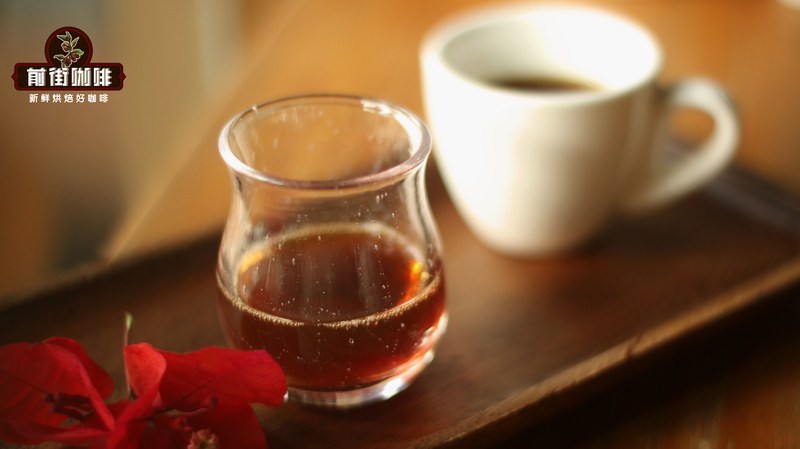
If you want to explore starting with a light roast, look out for beans with associations of citrus and berries, which often carry light floral notes and may even present a fresh green-tea-like finish. Brewing with a cone-shaped filter can effectively enhance the separation of aroma layers; if the acidity feels too pronounced, you might try cold brew instead—the low-temperature environment can result in a smoother overall mouthfeel.
Medium roast beans sit between bright and full-bodied, typically with rounder acidity, and more noticeable sweetness and mouthfeel. These beans are suitable for drinking straight and also pair well with breakfast items like bread, butter, or nuts. For those new to using pour over equipment, the medium roast direction is a good choice for establishing a flavor reference—aromas won’t be overly sharp, and there’s also a solid sweetness to support the overall taste.
When choosing medium roast pour over beans, you might first consider whether you prefer caramel, nutty, cocoa, or ripe fruit tones. It’s recommended to start with a medium-to-high water temperature when brewing; if the flavors seem thin, you can fine-tune the grind size to a finer setting; if dryness appears toward the end, then reduce the number of stirs or shorten the brewing time. It’s worth noting that medium roast does not mean dull flavors—choosing the right beans can still showcase clear fruit sweetness and soft acidity.
Dark roast beans are also suitable for pour over, but the focus of brewing shifts to sweetness, body, and smooth mouthfeel. These beans often exhibit notes of dark chocolate, roasted nuts, caramel, and even mild smokiness, with acidity playing a less prominent role. It is suggested to use a slightly coarser grind and lower water temperature, maintain steady pouring movements, and avoid letting hot water linger too long on the coffee bed to ensure a rounded and non-dry mouthfeel.
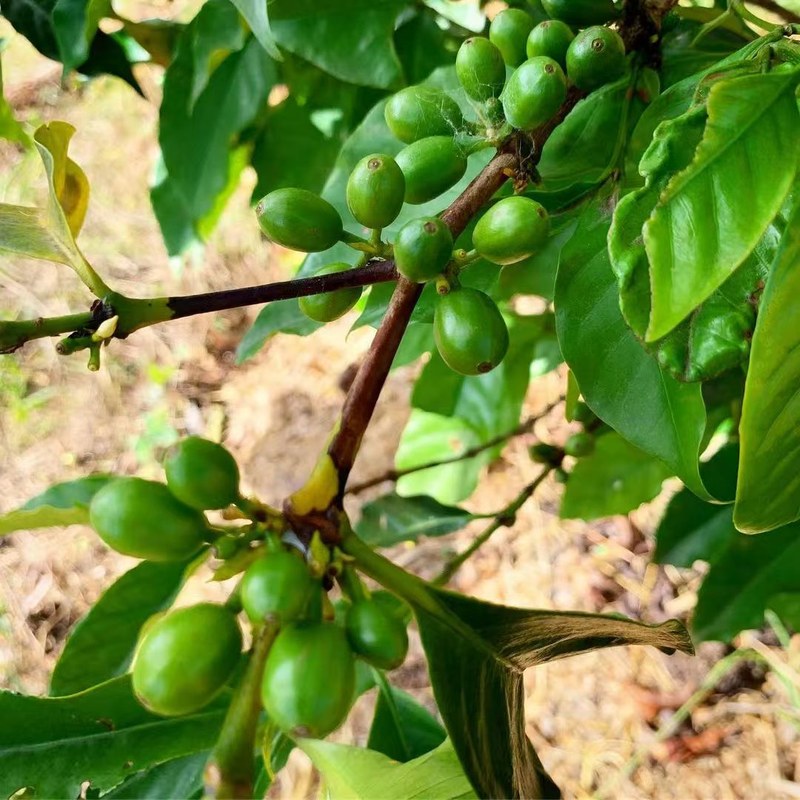
In actual brewing, you can adjust basic parameters according to roast level: light roast suits higher water temperatures and finer grinds, medium roast uses moderate water temperature with even pouring, while dark roast requires appropriately lowering the temperature and shortening the contact time between water and coffee grounds. A recommended coffee-to-water ratio is to start with a range between 1:15 to 1:17, and record the acidity, sweetness, bitterness, and aftertaste of each brew, then make fine adjustments targeting a single aspect.
When purchasing, also pay attention to the roast date, packaging seal, and weekly usage. Light roast beans undergo faster aroma changes and should be kept as sealed as possible after opening; medium and dark roasts are relatively more stable in flavor, but still need to avoid humid and high-temperature environments. Starting with a single roast level and gradually expanding to adjacent types will elevate the pour over experience from simply “brewing a cup of coffee” to truly discovering your favorite flavor profile.
The above content is compiled by CoffeeHunters, a coffee news website.


