







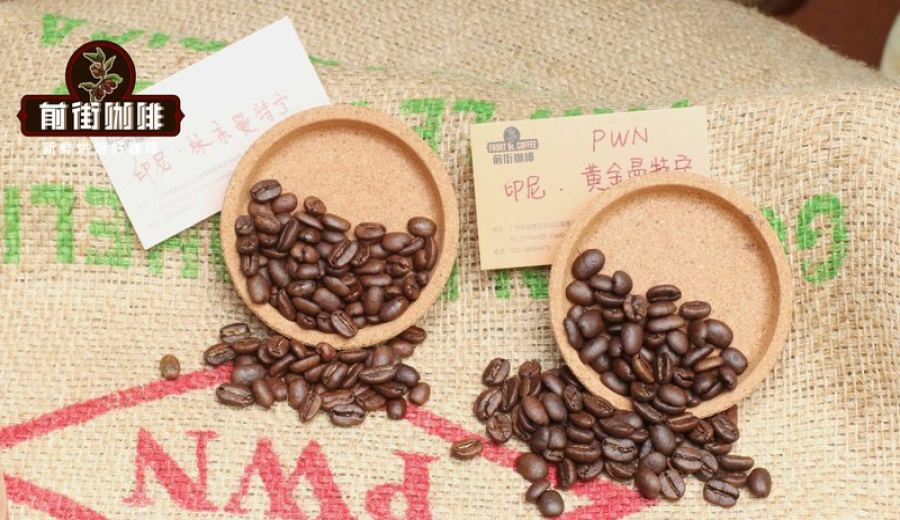
Introduction:Want to choose the right coffee beans that suit your drinking habits? Single-origin and blended beans each have distinct flavor profiles and are suited to different brewing methods. This article takes an in-depth look at the differences between the two and provides practical advice on selecting beans and extraction methods based on your budget, frequency of brewing, and equipment choice — helping you find your ideal coffee match.
The performance of single-origin and blended coffee beans varies greatly depending on the brewing method used. Whether you’re using a pour over dripper, a moka pot, or an espresso machine, understanding the characteristics of each tool can help you select the one that best highlights the potential of the beans. For example, pour over can emphasize layered flavors and aromas, while espresso machines or moka pots tend to bring out richer, fuller textures.
When purchasing coffee beans, rather than chasing fancy-named origin blends, it’s better to focus your budget and attention on freshness, consistent roasting quality, and proper packaging for storage — these are the key factors that affect everyday flavor performance. If you prefer bright fruit acidity and a refreshing taste, light to medium roasted beans are usually the top choice; if you enjoy bold, full-bodied flavors with sweet notes, medium-dark or dark roasts may suit you better. Note that roast level doesn’t directly equate to flavor intensity — brew ratio, grind size, and extraction time also play significant roles in determining the final strength and flavor profile.
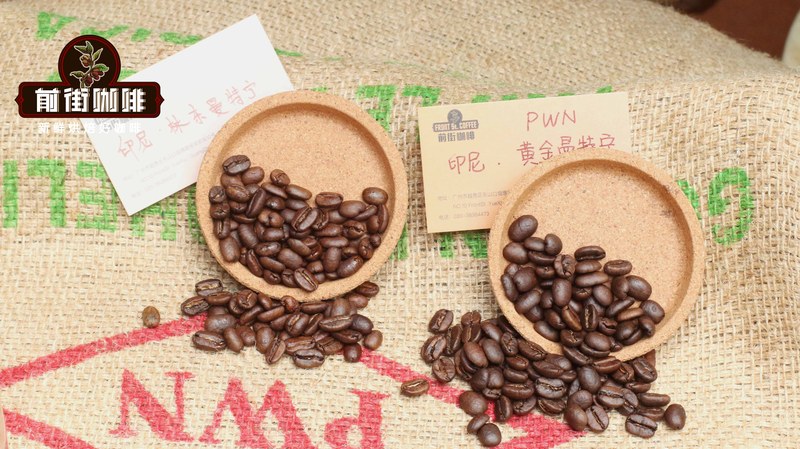
If you want to build a basic understanding of different flavor profiles, you can start with a classic dark roast blend. For example, a blend based on Arabica beans and roasted to a dark level often features notes of dark cocoa, nuts, and a smooth sweetness, with low acidity and a thick mouthfeel, along with relatively good crema. Such blends are suitable for espresso, latte, flat white, and even moka pot brewing. It’s recommended to try several cups in a row while observing changes in parameters to better understand the connection between flavor profile and extraction direction.
There are also many medium-dark roasted blends on the market, such as those combining beans from Brazil and Colombia. The flavor profile of these blends usually centers around nuts, cocoa, and gentle caramel sweetness. These beans perform well in balance, making them suitable not only for hot drinks but also for cold beverages that retain good flavor continuity. Whether you're making Americano black coffee, milk-based coffee drinks, or using a home semi-automatic espresso machine, you can start with a medium concentration and then fine-tune according to personal taste.
If you compare these two blends with different roast directions side by side, the goal isn’t to judge which is better, but to feel their respective flavor focuses. Dark roast blends excel in richness and body, suiting those who enjoy a heavier mouthfeel; medium-dark blends offer a smoother, more balanced taste with caramel-like aroma. By actually brewing and tasting, you can better understand which flavor direction you prefer, and it will also help guide your future choices between single-origin and blended beans.
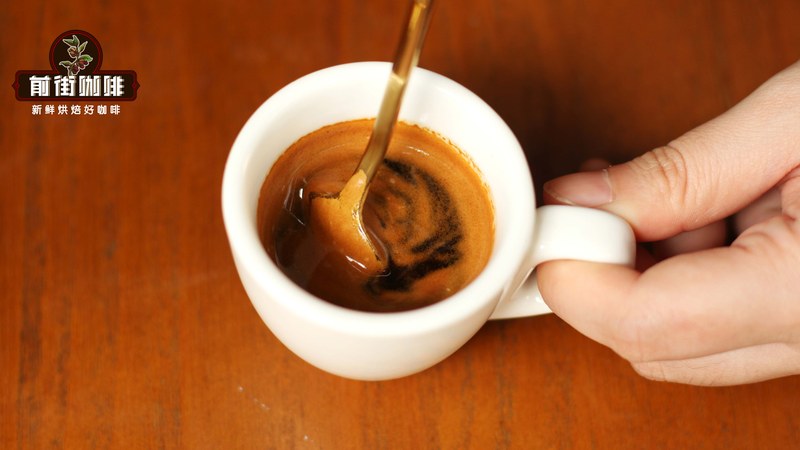
In daily brewing, there’s actually no need to frequently switch bean varieties or recipes. If you’re using an espresso machine, you can start by using about 18 grams of coffee grounds, aiming to extract around 36 grams of espresso, and observe the flow rate between 25 to 32 seconds along with the overall taste feedback. If you experience sharp acidity or a thin mouthfeel, try grinding finer; if you notice obvious bitterness, astringency, or a dry aftertaste, it’s advisable to adjust the grind to a coarser setting. When making milk-based coffee, be sure to maintain sufficient coffee strength to avoid ending up with just a dull roasted flavor after adding milk.
This basic set of extraction parameter suggestions applies to both single-origin and blended beans, but still needs fine-tuning based on actual drinking conditions. Remember, don’t just aim for a specific time number — use the actual flavor in the cup as your basis for adjustment.
As for recording brewing parameters, there’s no need for complicated tables or systems. Just jot down, based on your drinking habits, simple notes each time on the amount of coffee and water used, grind size, water temperature, and a brief description of the flavors in the cup. After accumulating a few records, you’ll quickly discover whether you prefer bright, fruity, and acidic flavors or richer, rounder profiles with caramel or chocolate finishes.
In terms of budget planning, it’s advisable to consider the price of the beans, the performance of your grinder, and the freshness of the coffee together. Choosing beans that suit your equipment and purchasing amounts that match your actual consumption is often more practical than buying large packages that you can’t finish in time. Any remaining budget can also be invested in improving water quality, upgrading grinder uniformity, or getting more accurate thermometers and scales — all of which can significantly impact the final extraction quality.
In summary, choosing between single-origin and blended beans should ultimately come down to whether you find satisfaction in that cup of coffee: Does the flavor meet your expectations? Can your equipment fully express the beans’ potential? Are the parameter adjustments logical and trackable? As long as you can finish the beans you buy within a reasonable time frame, you’ll not only preserve the coffee’s aromatic qualities but also manage your budget and brewing experience more effectively. You might consider starting with commonly available dark roast blends and medium-dark blended beans as reference benchmarks, and through hands-on comparison, gradually discover the coffee direction that suits you best.
The above content is compiled by CoffeeHunters, a coffee news website.


