








Introduction:A common question among many coffee beginners using a moka pot is: "If I only want to drink half a pot of coffee, can I just use half the amount of coffee grounds?" In fact, insufficient coffee grounds will directly affect extraction pressure, flow rate, and flavor performance. This article presents an actual comparative experiment to analyze the specific impact of halving the coffee dose on moka pot extraction and provides professional adjustment suggestions so you can still brew balanced coffee with crema even when reducing the dose.
In most moka pot usage tutorials, it is almost always recommended to completely fill the coffee chamber and then tightly assemble the upper and lower chambers before brewing. This means that the capacity of your moka pot usually also determines the standard brew volume each time.
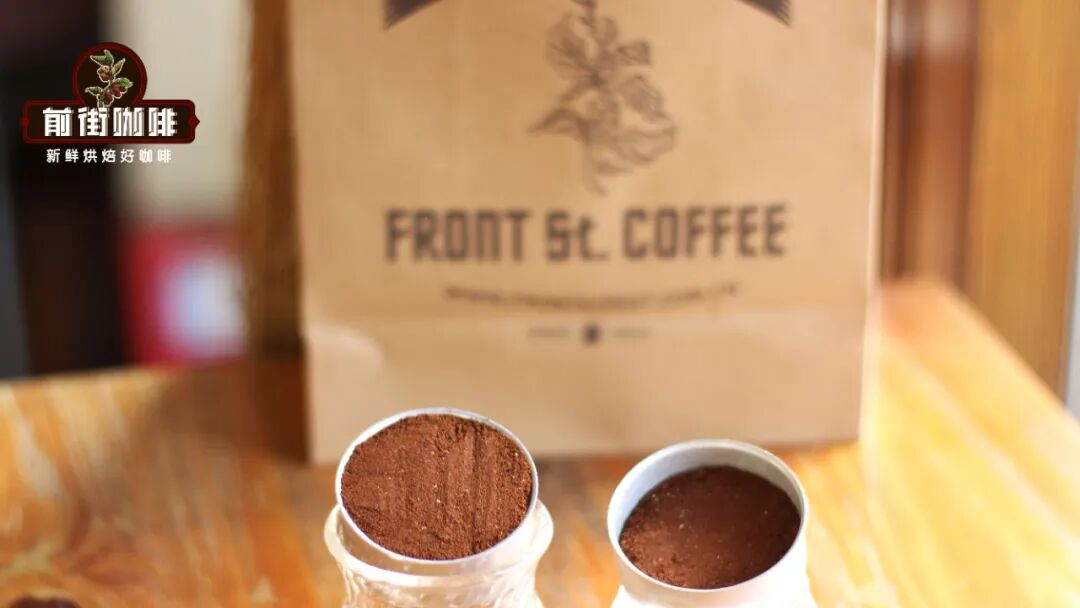
However, some users may only want to enjoy half a pot of coffee and wonder: Can I adjust the coffee dose according to need, just like in pour over or other brewing methods? Will the coffee still retain rich crema after reducing the dose? Will the flavors still be excellent? Below, we’ll use experiments to uncover the answers to these questions.
First, we conducted a set of comparative experiments: one brew used a full dose of coffee, while the other used only half the amount. To ensure fairness, we also adjusted the water dosage so that the concentration would not drop significantly due to the reduced coffee amount.

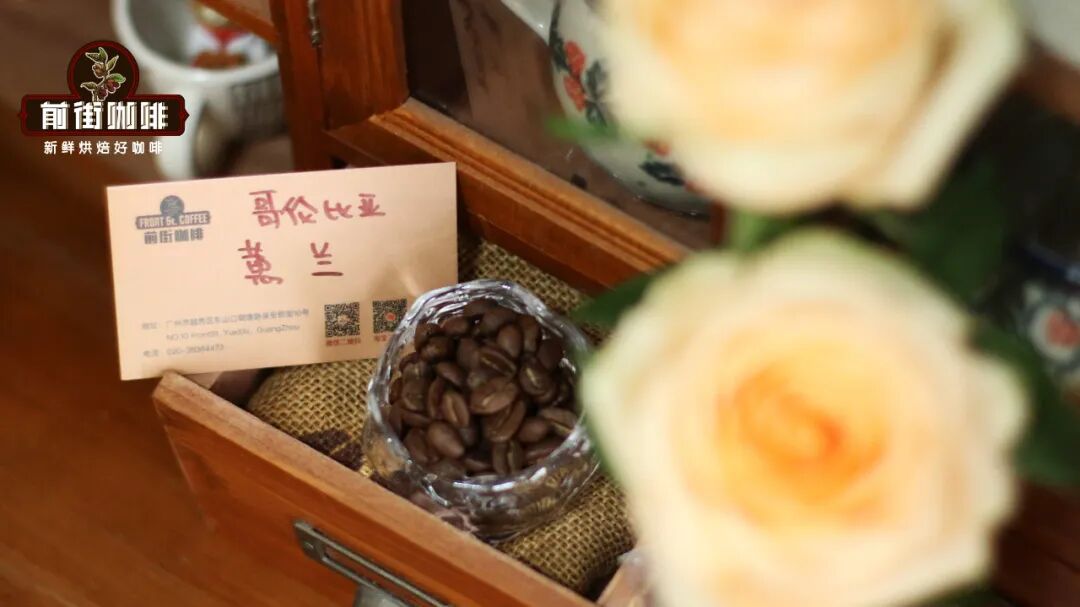
In the experiment, the full-dose group used 16 grams of coffee grounds and 150 grams of water; the half-dose group used 8 grams of coffee grounds, with the water adjusted to 105 grams. The coffee beans used were washed Colombian beans from a well-known roastery, medium-dark roasted, typically exhibiting flavors such as roasted nuts, dark chocolate, and caramel, and capable of producing beautiful golden crema under pressure extraction—suitable for moka pots, espresso machines, and various drip methods.
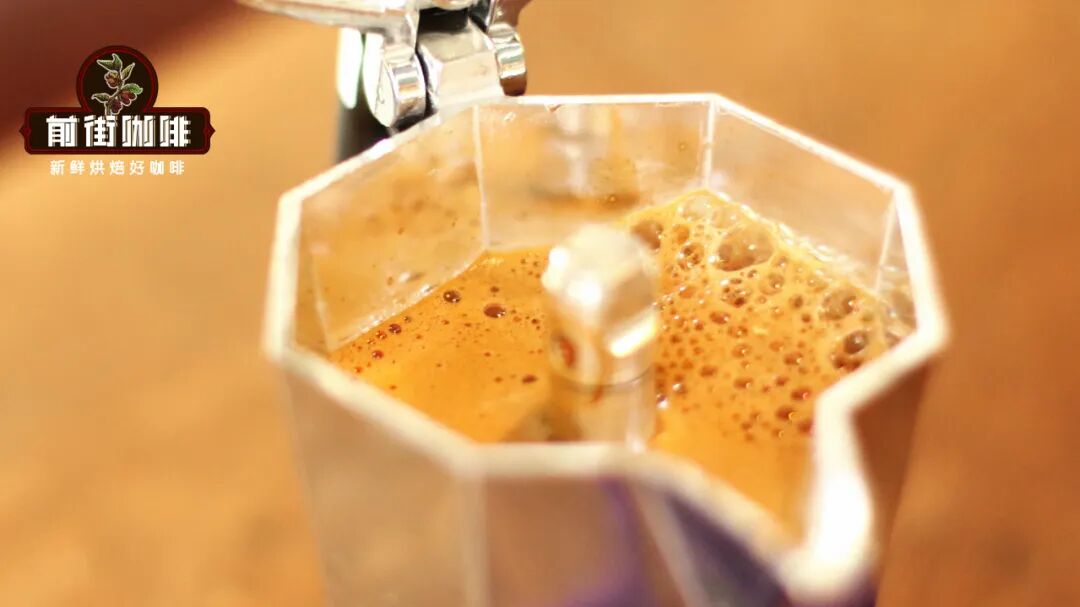
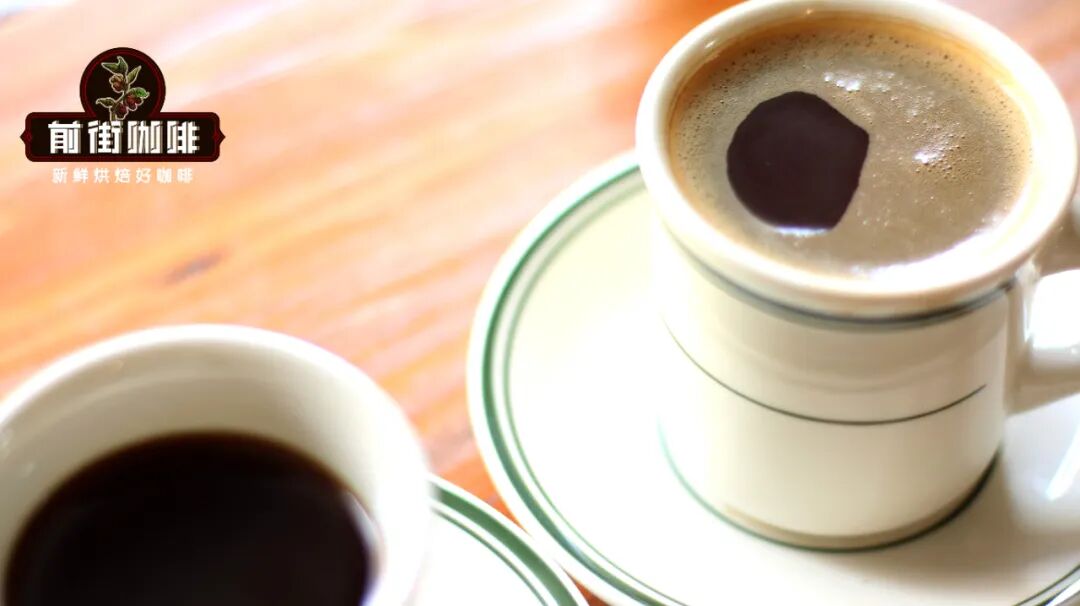
After heating, the full-dose group soon began emitting steam, followed by the release of dark brown foam with a uniform flow rate and deep color, with no splattering throughout. The foam remained intact in the cup for about five minutes after pouring.
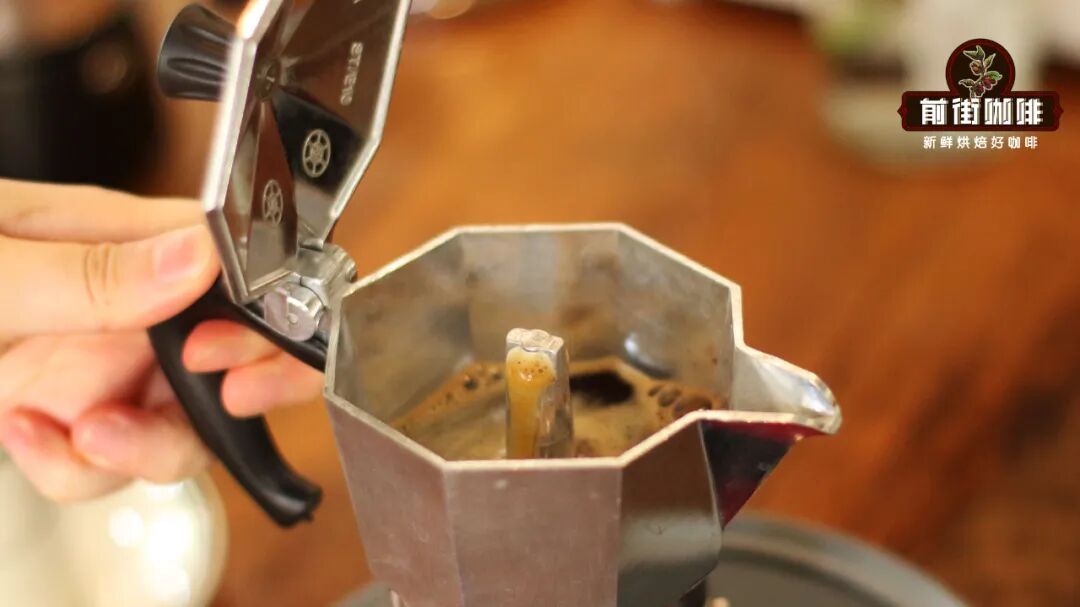
In contrast, the half-dose group showed no splattering, but the operational noise was noticeably louder, the foam was thin and the flow rate too fast, with signs of coffee gushing out, and the color was lighter. Once poured into the cup, the foam dissipated quickly, leaving almost no visible crema layer.
In terms of flavor, the full-dose group’s Americano had a slight bitterness but no astringency, with prominent roasted aromas, notes of roasted hazelnuts, very low acidity, and an overall rich and balanced profile. The half-dose group, however, showed clear abnormalities: the flavors were thin, with burnt-wood-like off-notes, pronounced acidity, almost no aftertaste, making it unpleasant to drink.
Why does reducing the coffee dose cause such a big difference? The key lies in the moka pot’s extraction principle: heating the lower chamber generates steam pressure, forcing hot water through the coffee bed. The resistance from the coffee grounds causes the water to enter the upper chamber as brewed coffee. When the coffee dose is reduced, the resistance formed by the coffee bed also decreases, allowing hot water to pass through more quickly, shortening the extraction time and leading to insufficient extraction of flavor compounds—while also extracting overly sharp or over-extracted bitter components more easily.

In addition, insufficient coffee grounds can lead to “channeling”—where water chooses the path of least resistance, causing parts of the coffee bed to be under-extracted, further affecting overall extraction uniformity and flavor performance.
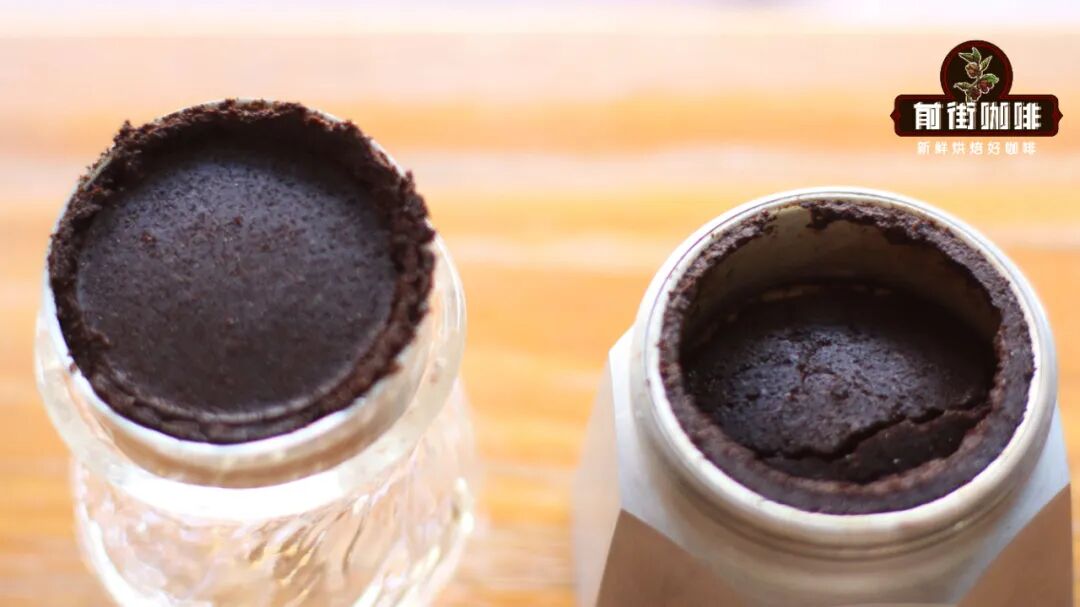
So, is it really impossible to reduce the coffee dose in a moka pot? Actually, with some technique adjustments, you can still maintain stable extraction. The key is to “increase the resistance of water passing through the coffee bed,” ensuring more even extraction and moderate pressure.
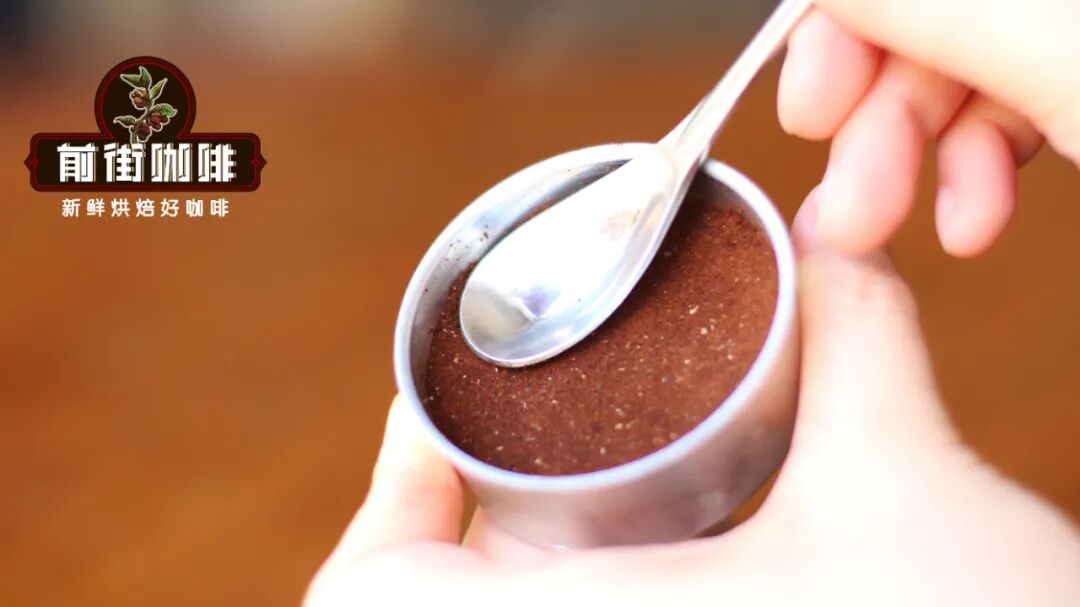
In practice, we recommend that when reducing the coffee dose by half, do not simply spread the coffee grounds flat. Instead, pour 8 grams of coffee grounds into the chamber, gently tap the side of the chamber to allow the grounds to naturally settle and pack densely, then lightly press the coffee layer with the back of a spoon, reducing its thickness to half but increasing its density.
Additionally, to avoid over-extraction caused by prolonged heating time, you can initially pour only half the amount of hot water into the lower chamber. This helps shorten the overall heating time. Once the coffee begins to flow steadily, immediately remove from heat and let residual heat complete the extraction, avoiding over-extraction of the bottom layer.
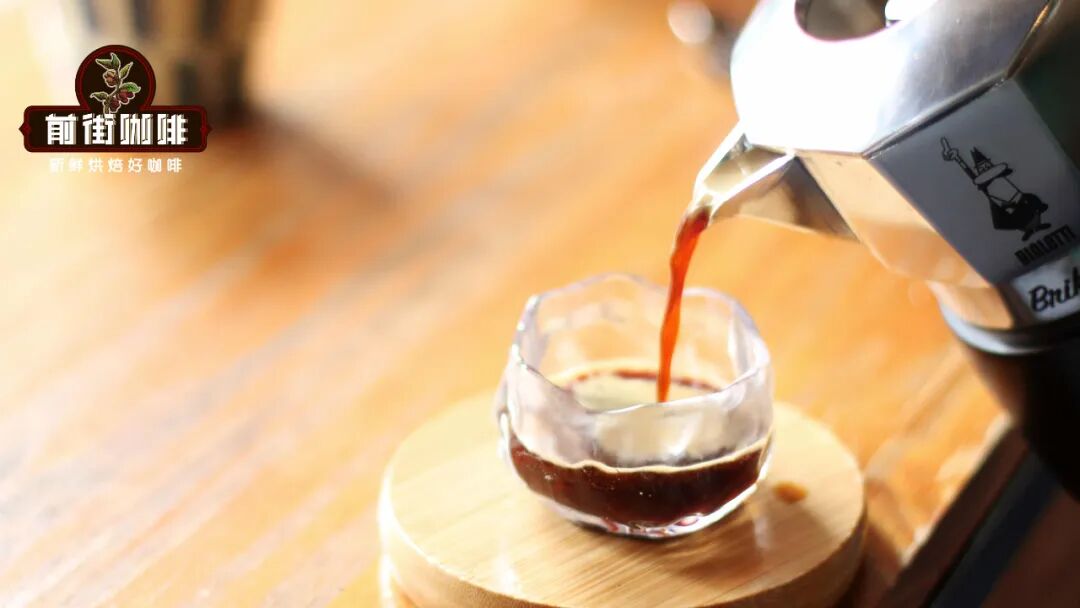
After these adjustments, the half-dose moka pot brew no longer splattered, the coffee had a slight crema layer, the concentration was noticeably improved, and the flavors became more balanced. Using this coffee as a base and mixing it with cold milk at a 1:3 ratio produced a beverage with rich aromas of cocoa, cream, and roasted rice cakes, offering a thick mouthfeel and strong invigorating effect.

The above content is compiled by CoffeeHunters, a coffee news website.


