







Introduction:When selecting a medium-roast coffee bean suitable for pour over, it's important to balance freshness, flavor profile, and personal drinking habits. This article explores the characteristics of several common medium-roast beans by examining roast level, flavor features, and practical brewing parameters, while also providing useful tips on selection and storage to help you find an ideal choice that balances flavor and budget.
From coffee beans to a delicious cup of pour over, there are many factors involved such as grind size, water temperature control, and extraction time. For medium-roast coffee enthusiasts who frequently enjoy pour over, choosing beans involves not only considering your budget but also evaluating consumption speed, your usual brewing method (black coffee or milk-based), and your preferred flavor profile. It is recommended to first clarify the brewing equipment you use daily and the taste direction you desire, then further compare different beans—this way, you’ll have clearer goals when actually brewing.
The roast date has a significant impact on the flavor performance of medium-roast coffee beans. If you’re choosing beans primarily for everyday drinking, it’s best to prioritize freshness, roast consistency, and packaging method rather than overly pursuing complex or exotic origin names or processing methods. If the beans are roasted too recently, they may still be in the degassing phase, with flavors not yet fully developed; conversely, if stored for too long, they can easily lose aroma and vibrancy. Therefore, it’s advisable to purchase a moderate amount of beans that you can finish within your regular drinking cycle, which better ensures consistent flavor performance with each brew.
To establish your own taste reference baseline, consider trying beans with distinct flavor profiles. For example, a medium-roast bean from the Kenyan region often exhibits a complex fruity acidity reminiscent of cherry tomatoes, dark plums, pears, and black plums, with bright and clear acidity, and sweetness gradually emerging in the mid-palate. Such beans are worth trying whether you're using standard pour over, iced pour over, or aiming for a juice-like black coffee brew. Brewing two or three consecutive cups and observing changes in parameters can help you better understand the flavor progression.
Take, for instance, the medium-light roast Sidra beans from Colombia's Finca La Divisa. These beans often emit fresh floral and fruity aromas such as jasmine, citrus, passion fruit, blueberry, and grape after roasting. The cup starts with a gentle layer of fruit acidity and ends with a smooth cocoa-like aftertaste. Thanks to its rich yet balanced flavor profile, it’s suitable for various brewing methods including pour over, single-origin espresso, cold brew, or iced drip—initially, it’s recommended not to set overly strong extraction parameters, but to start with basic settings.
Another commonly used bean for flavor reference is the Panama Boquete region's Emerald Estate Red Label Geisha (medium-roast version). This bean is renowned for its elegant aromas of jasmine, bergamot, citrus, and black tea, with a delicate and layered mouthfeel, and a clean, refreshing finish. Particularly suitable for black coffee lovers who value aroma expression, it’s recommended to start with a medium concentration when trying it for the first time, then fine-tune parameters based on actual cup performance.
Comparing the Kenyan cherry-like bean with the Colombian Sidra medium-roast bean isn't about judging which is better, but understanding their respective flavor focuses. The former centers around fruit acidity notes like cherry tomatoes, dark plums, pears, and black plums, while the latter excels in fresh floral and fruity aromas such as jasmine, citrus, passion fruit, blueberry, and grape. By actually brewing and comparing their aroma intensity, sweetness expression, and mouthfeel texture, you can more clearly identify your personal preferences and zero in on the flavor type that meets your expectations.
For everyday pour over, it’s recommended to start with basic parameters: use about 15 grams of coffee grounds with 225 grams of water, set the grind size to medium-coarse (similar to white sugar granules), and control the water temperature between 87 to 92 degrees Celsius. If you find the acidity too sharp or thin when using light-roast beans, try slightly adjusting the grind finer or raising the water temperature a bit; conversely, if you notice obvious bitterness or astringency, it’s advised to coarsen the grind and shorten the later-stage pouring time. These basic parameters can serve as a starting point, but still need to be fine-tuned according to actual brewing results and personal taste preferences.
When tasting medium-roast coffee beans, it’s suggested not to rush to judgment but to carefully perceive the aroma layers, sweetness intensity, mouthfeel texture, and aftertaste of each cup. Through multiple tastings and observations, gradually adjust the brewing parameters to find the brewing method that best suits your personal taste.
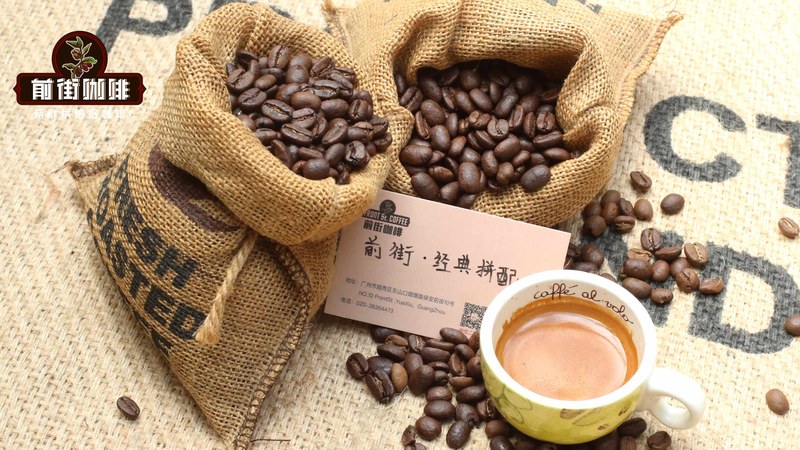
For medium-roast coffee beans purchased for home use, it’s recommended to store them properly to maintain freshness. Avoid high temperatures, humid environments, and repeated exposure to air. Plan the usage period after opening based on your daily consumption, seal the container immediately after each use, and grind the beans as close to brewing time as possible. If you’re sampling multiple beans at once, label each package with its opening date, and prioritize those whose aroma changes more quickly to ensure you experience the best flavor with every brew.
In summary, selecting the right medium-roast coffee beans for pour over hinges on finding beans whose flavor performance meets your expectations, whose characteristics can be fully expressed by your brewing equipment, and where parameter adjustments have a clear direction. Purchasing a moderate amount of beans that you can finish on time not only helps maintain aroma quality but also allows for more effective cost control. Through hands-on brewing and comparison, you’ll gradually discover the medium-roast beans and brewing method that suit you best.
The above content is compiled by CoffeeHunters, a coffee news website.


