








Introduction:Want to know which Yirgacheffe beans are best for pour over? This article takes an in-depth look at the key factors for brewing Yirgacheffe via pour over, including the flavor differences between washed and natural processing methods, performance in light to medium roasts, optimal extraction parameters, and how to highlight layers and clarity through brew ratios, water temperature, and grind size. It also offers practical storage advice and tuning tips to help you go from beginner to expert and brew your ideal cup.
One of the charms of pour over coffee is its ability to clearly showcase the layers and clarity of Yirgacheffe. Washed Yirgacheffe, such as the common Guji Dingding, often exhibits bright citrus, delicate floral notes, and a green tea-like finish. Thanks to the filtration of the pour over paper, these flavors unfold layer by layer. In contrast, the natural processed Huakui tends to have more intense fruitiness—when brewed, you might first sense a sweet strawberry-like aroma, followed by a gentle passionfruit acidity, resulting in a more expressive and bold cup overall. The pour over method can fully reveal the subtle differences in Yirgacheffe.
From regional terroir to the cup, the flavor journey of a Yirgacheffe coffee involves four key stages: variety, processing method, roasting, and extraction. Lightly roasted Yirgacheffe usually highlights floral and fruity notes, with bright and refreshing flavors. Medium roasts enhance sweetness and body, balancing acidity and bitterness. What truly determines the sequence and layering of aroma release, however, is the combination of water temperature, grind size, and pouring rhythm. Mastering these variables allows the same coffee bean to show a completely different flavor profile.

Recommended reference parameters for pour over Yirgacheffe are:Water temperature: 88–92°C,Brew ratio: 1:15,Extraction time: approximately 2 minutes 30 seconds to 3 minutes. Adjusting within this range will generally yield stable results for most Yirgacheffe beans. The following beans all demonstrate good adaptability.
A certain brand’s Kenyan mini tomato is a bright, washed coffee with a clear flavor profile, often showcasing notes of cherry tomatoes, dark plums, and brown sugar. Its acidity is vibrant but not thin, making it suitable for brewers who enjoy juicy profiles and a clean finish. A certain brand’s Kaffa Forest presents orange and ripe apricot fruitiness, paired with an oolong tea-like aftertaste. It has a light body yet feels substantial, with a more pronounced sweetness as it cools. A certain brand’s Granja Estate Geisha is a natural processed bean with rich aromas, including orange blossom, guava, apricot, and strawberry jam layers. It’s notably intense and an excellent choice for observing the flow of flavors during pour over.
It’s important to note that coffee beans are time-sensitive. The peak flavor period is typically one to two weeks after roasting, after which the flavors gradually fade. Therefore, it’s recommended to consume the beans soon after purchase and store them properly. For home storage, the priorities aresealing and light protection, keeping the beans in a cool, dry place to avoid prolonged storage or using beans past their prime. When brewing, first assess the beans’ condition through their dry aroma, then further evaluate based on sweetness and finish. If the aroma is lacking, check the grind size and storage duration first, then fine-tune water temperature or extraction technique. If trying iced or milk-based versions, since the extraction logic differs, it’s best to record separate parameters for comparison.
When selecting Yirgacheffe, it’s advisable to first clarify your brewing setup and time budget, then decide on the type of flavor profile you’re aiming for. Fruit-forward beans require higher synergy between water temperature, grind size, and pouring technique—any imbalance in these factors may affect the overall cup. In contrast, nutty and cocoa-toned blends are designed with greater stability in mind, offering more flexibility. For shared household use, consider choosing a balanced, everyday bean as your base, then adding specialty beans according to personal taste preferences. This approach maintains consistency while facilitating flavor comparisons.
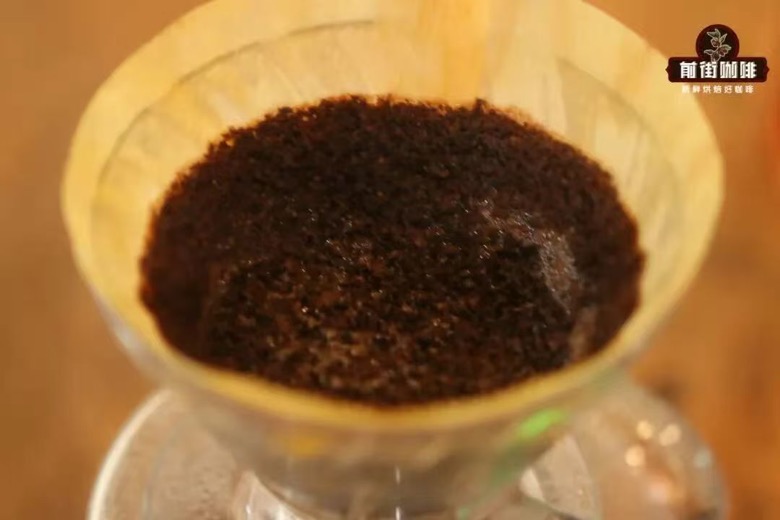
The recommended order for adjusting pour over parameters is: first determinebrew ratio and total water volumeas the foundational structure, then make fine adjustments throughgrind size. If the cup presents sharp acidity, try a finer grind. If the finish feels dry or astringent, reduce agitation intensity and extraction time. Make incremental adjustments and taste before proceeding. Additionally, it’s helpful to categorize beans by purpose: choose well-balanced, stable options for daily drinking, and select beans with special profiles—such as dried mango, oolong tea, or whiskey-like acidity—for flavor exploration. Keeping records of your usual equipment and flavor preferences can aid in more precisely choosing the Yirgacheffe beans you love.
The above content is compiled by CoffeeHunters, a coffee news website.


