








Introduction:Choosing the right espresso beans is the first step to brewing a great cup of coffee. This article helps readers find the most suitable coffee beans based on different scenarios and personal preferences—from flavor profiles, commonly used equipment, extraction parameters, to storage essentials. Whether you're a beginner or a heavy milk coffee drinker, you can master practical selection logic and adjustment techniques here.
A good-tasting espresso is never just about extremes of sourness and bitterness. Aroma richness, sweetness clarity, body fullness, mouthfeel smoothness, and aftertaste length are all important dimensions in evaluating coffee quality. When selecting beans, it’s recommended to first clarify your preferred flavor direction—such as floral and fruity notes, the boldness of nuts and cocoa, or a balanced type combining both—and then further narrow down based on origin, processing method, and roast level.
There are four key elements in espresso extraction: dose, grind size, yield, and extraction time. These four variables influence one another and also serve as important criteria for judging whether a bean is suitable for specific equipment. Generally speaking, blends, which combine beans from different origins, tend to perform more stably across these four pillars, often presenting a base flavor of nuts, cocoa, and caramel. They’re ideal for daily milk coffee or Americano. Single-origin espresso (SOE) beans, on the other hand, emphasize showcasing the unique aromas and acidity-sweetness layers of their specific origin, making them better suited for enthusiasts who want to delve deeper into coffee details. Therefore, it's suggested to first decide what type of coffee you want to brew, and then choose the appropriate beans—the order must not be reversed.
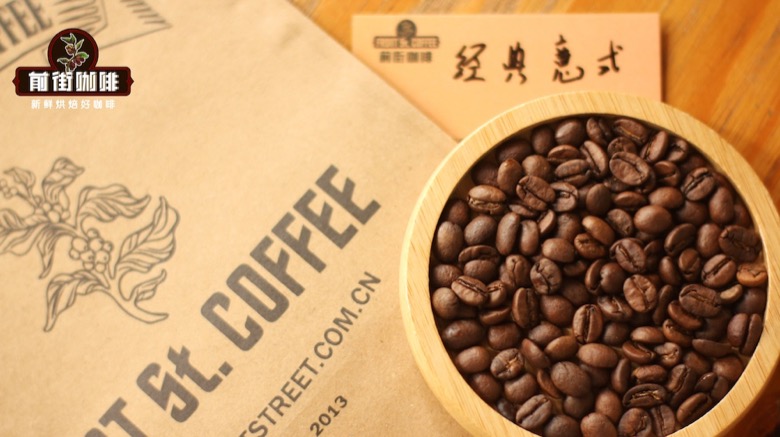
If we take "espresso bean buying guide" as the main theme, we can break down the selection into several practical aspects: your preferred flavor type, the brewing equipment you commonly use, your usual temperature preference when drinking coffee, and how frequently you consume it daily. It’s advised to start with the flavor profile—first clarify whether you care most about aroma, sweetness, or body—and then make further selections based on other conditions. This way, not only can you preserve your personal taste preferences, but you can also allow the beans to showcase their most distinctive features during actual extraction.
If you prefer a bold-style coffee, you might consider options with herbal and dark chocolate flavors. These beans typically have lower acidity and are suitable for brewing with a moka pot or for making Americano. Additionally, there are many classic blends that feature nuts, cocoa, and caramel as the main notes. These beans not only offer stable concentration and body but are also suitable for various espresso machines—whether for milk coffee or black coffee. Some specialty blends combine beans from origins like Brazil and Colombia, delivering an excellent fusion of nuts, caramel, and cocoa, suitable for multiple brewing methods.
The storage condition of coffee beans often makes an immediate difference in taste. It’s recommended to keep opened beans well-sealed and store them in a cool, dry place, purchasing only about a week to half a month’s worth at a time to avoid long-term storage affecting flavor. Before brewing, you can first smell the dry aroma, then pay attention to the sweetness and aftertaste upon tasting. If the aroma seems lacking, it could be due to too coarse a grind or the beans being stored for too long. Moreover, the same beans may perform differently when used for hot drinks, iced drinks, or when mixed with milk—so it’s suggested to record several extraction parameters to gradually find the most suitable cup size and ratio. Roast date is also a detail not to be overlooked; fresher beans usually have brighter flavors.
Flavor orientation and extraction input are two inseparable considerations. Beans with floral and fruity profiles demand relatively higher precision in water temperature, grind fineness, and pouring rhythm, requiring more accurate control. Meanwhile, blends based on nuts and cocoa are more stable and better suited for everyday drinking. If multiple family members share the coffee routine, it’s advisable to first select a well-balanced bean as the base option, then gradually introduce others with distinct flavor characteristics according to individual taste preferences. This setup allows you to better distinguish and appreciate the differences between beans—more so than buying a large quantity of similarly styled beans all at once.
In practical operation,a 1:2 bean-to-water ratiois a common starting point for espresso. You can then adjust based on the acidity, sweetness, and bitterness you taste. If the acidity feels too sharp, try extending the extraction time or slightly increasing the water temperature. If bitterness or astringency is noticeable, shorten the extraction time or adjust to a coarser grind. These fine-tunings can effectively improve extraction balance and make the coffee flavors smoother.
As time goes on, the coffee preferences of household members may change. It’s recommended to categorize beans into “daily staples” and “exploratory options”: one for providing consistent cup quality, and the other for trying out different floral-fruity, nut-cocoa, or special processing methods to expand taste experiences. When selecting, you can start with a preliminary screening based on general flavor direction, then further compare the nuances in aroma and taste. Making choices from the perspective of daily consumption often better aligns with practical needs and lets you experience each bean’s truest expression.
The above content is compiled by CoffeeHunters, a coffee news website.

