








Introduction:Choosing the right espresso blend is the first step to brewing a great cup of coffee. This article starts from real-life usage scenarios to analyze how to find a blend that suits you based on flavor preferences, brewing equipment, frequency of use, and other factors. Whether you’re after a consistently rich and bold cup or want to explore the nuances of different processing methods, this guide will help you choose and use coffee beans more wisely.
The context in which you drink coffee is often the key starting point for selecting beans: do you want a pure black coffee to perk you up today, or a mellow milk coffee? Are you slowly savoring the ritual of pour over, or quickly making an espresso with a machine? Different scenarios come with vastly different expectations for roast level, flavor complexity, and brewing method.
Espresso extraction requires a delicate balance between dose, grind size, yield, and time. Compared to SOEs (Single Origin Espressos) that highlight the characteristics of a single origin, blends typically combine beans from multiple sources to create a stable profile of nuts, cocoa, or caramel tones—ideal for daily high-volume brewing with consistent flavor. As for which type to choose, it depends on whether you prioritize a bold mouthfeel or want to showcase distinct regional flavor characteristics.

If you’re looking for “high-value-for-money espresso blend recommendations,” it’s best to start with a few practical dimensions: what flavor profile do you prefer? What brewing tools do you usually use? At what temperature do you like to drink your coffee? How many cups do you drink per day? Once you categorize these conditions, you can then filter based on personal preference. This not only retains the individuality of your choice but also allows the beans to show their most distinctive features in actual use.
For example, some blends have bright notes of strawberry or gummy sweetness, making them ideal for fruity-flavored Americanos or adding a memorable touch to milk coffee; others showcase the common nut and cocoa base tones of Brazilian origins, with prominent caramel sweetness and soft acidity, delivering a round mouthfeel whether brewed via pour over, moka pot, or espresso machine; still others lean toward herbal and dark chocolate flavors, with a pronounced boldness and low acidity, pairing especially well with dark roast preferences, moka pot brewing, or American-style coffee.
Besides flavor performance, don’t overlook the impact of roast date and storage methods on coffee flavor. It’s recommended to store beans sealed tightly after opening, keep them in a cool and dry place, and purchase according to your daily consumption to clearly observe changes with each brew. Before brewing, try sniffing the dry aroma, then savor the sweetness and aftertaste on the palate. If the aroma seems lackluster, it might be due to too coarse a grind or beans that have been sitting too long. Additionally, performance varies when served hot, iced, or with milk—try a few times and take note of parameters that suit you to find the cup that best matches your taste.
When choosing, you might first ask yourself: what kind of flavors do I like most? How much complexity in extraction adjustments can I handle? If you prefer beans with pronounced floral and fruity notes, you’ll often need more precise control over water temperature, grind coarseness, and pouring rhythm; whereas blends with a nutty-cocoa direction usually perform more stably and are better suited for daily high-volume use. If you often share coffee with others, it’s advisable to start with a balanced blend as the base, then pair it with a small amount of single-origin beans to satisfy your curiosity for exploration—this approach helps you discern subtle differences better than buying multiple similar-style beans at once.
For those new to using an espresso machine, it’s recommended to start with a brew ratio of about 1:2, and adjust grind size flexibly based on the actual taste extracted. If you find the coffee too acidic or sharp, you can slightly extend the brew time or increase the water temperature; if it tastes too bitter or astringent, shorten the brew time and make the grind coarser. These adjustment principles aren’t complicated—you’ll get the hang of them after a few tries.
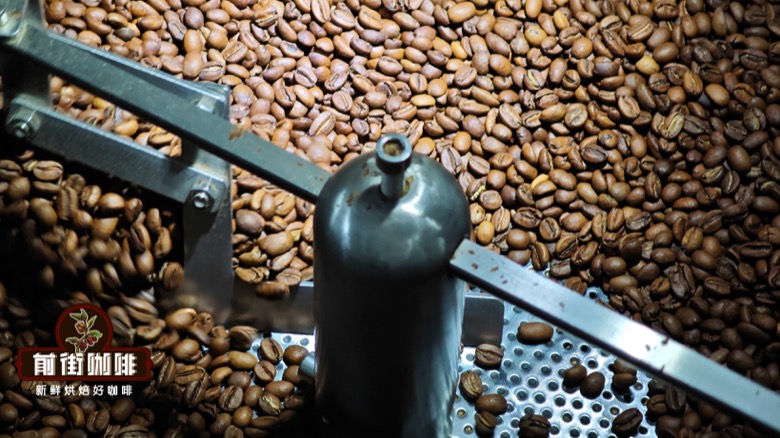
In daily use, it’s more convenient to divide your coffee beans into two categories: one as your “daily stable option” to ensure consistent flavor with each brew, and the other as your “exploration option” to experience differences in origin, processing method, or flavor direction. By combining the characteristics of your equipment, drinking habits, and taste preferences, the process of selecting the right blend becomes much clearer and more straightforward.
The above content is compiled by CoffeeHunters, a coffee news website.

