








Introduction:Want to make a smooth, lump-free soy milk latte at home? This article delves into why soy milk is better paired with coffee than regular soybean milk, and offers practical advice and detailed steps—from coffee roast level and flavor profile to the golden ratio of soy milk to espresso. Master these techniques to easily whip up a silky, well-balanced plant-based milk latte.
Beyond oat milk and almond milk, soy milk is also a noteworthy plant milk option for coffee making. However, achieving the perfect harmony between soy milk and espresso isn’t as simple as just mixing the two. From the roast level of the coffee beans to the ratio of soy milk to coffee, every factor significantly impacts the final taste and mouthfeel. This article will explore in depth why soy milk is more suitable for coffee than traditional soybean milk, how to choose the right coffee beans, and key tips for adjusting the ratio, helping you craft a smooth, lump-free, and flavor-coherent soy milk latte.

In recent years, oat milk and almond milk have become the most common plant milk choices in coffee shops, but soy milk also holds impressive potential. Especially within Chinese dietary culture, soy milk is a familiar everyday beverage rich in plant-based protein. Although soybean milk and soy milk share similar ingredients, soybean milk tends to curdle when mixed with acidic espresso, resulting in a poor texture—sometimes even resembling tofu pudding. In contrast, soy milk has a more stable protein structure that resists curdling when blended with espresso, delivering a smoother drinking experience. Practical tests have also shown that the overall flavor performance of soy milk paired with coffee is surprisingly delightful, making it a worthy try for coffee enthusiasts.

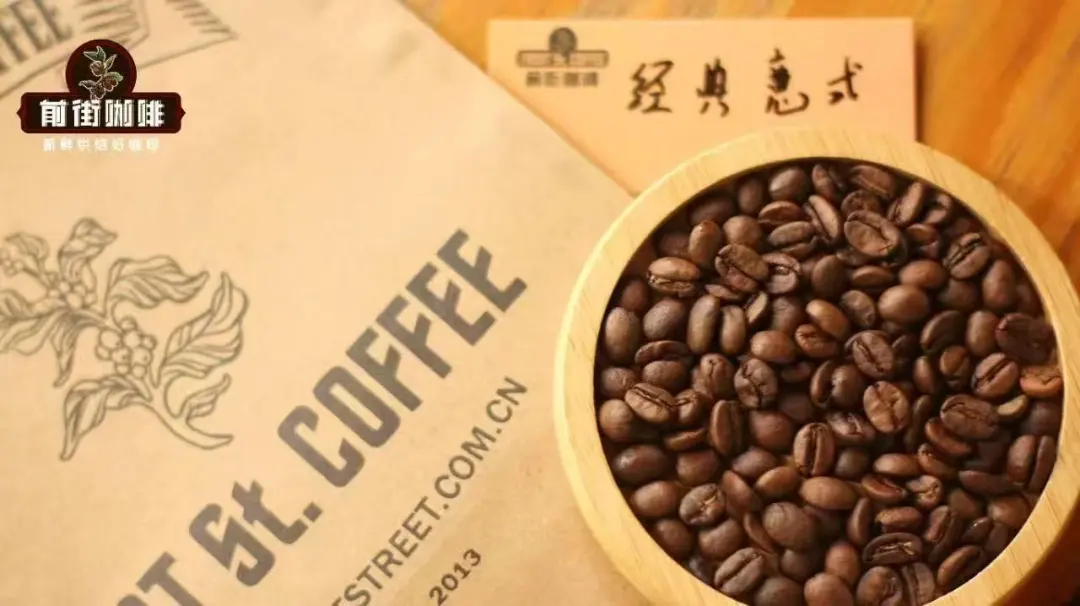
Making a delicious soy milk latte doesn’t require overly complicated steps, but there are two key points to master. The first isCoffee Bean Selection. The roast level of the coffee beans directly affects the acidity and flavor profile of the espresso, and choosing the wrong one may lead to soy milk curdling or flavor clashes. It’s recommended to prioritizemedium-dark or dark roasted coffee beans, such as common Italian-style blends. Light roasted beans retain more acidic compounds, which can cause curdling when mixed with soy milk, and their acidity may conflict with the sweet aroma of soy milk. Meanwhile, beans roasted to medium-dark or darker levels undergo longer roasting, breaking down most acidic compounds, resulting in low-acidity espresso that harmonizes better with soy milk. The flavors also blend more seamlessly, almost without any sense of discord.

The second key isthe soy milk to espresso ratio. Since soy milk itself has a relatively mild, sweet flavor and is less creamy than fresh milk, it’s advisable to adjust the ratio appropriately during preparation to let the soy milk’s flavor shine. Generally, you can use a bit more soy milk, with a recommended ratio of about1:7 (soy milk : espresso). This preserves the aroma of the coffee while ensuring the soy milk’s taste isn’t completely overshadowed. With the right proportioning, the two can achieve balance, creating a silky mouthfeel akin to chocolate milk.
In practice, it’s very straightforward—just pour the freshly extracted espresso into the soy milk and gently stir to combine. For this demonstration, we used a classic Italian-style blend with flavor notes primarily of chocolate, caramel, butter, and cream. We used 18 grams of coffee grounds, extracted at a 1:2 coffee-to-water ratio for about 30 seconds. These extraction parameters ensure a concentrated, balanced flavor that pairs well with soy milk.
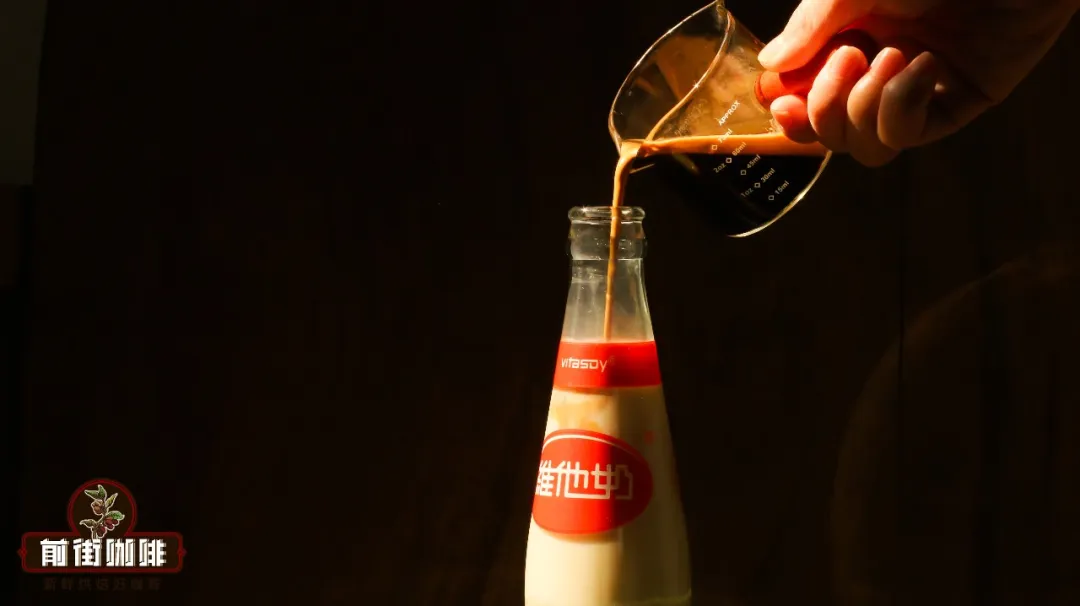
For the soy milk, we used a common 250ml glass bottle of Vitasoy, with about 230ml of actual soy milk content. When pouring in the espresso, note that if you wish to add a full shot (around 36ml), it’s best to sip a little soy milk first to make room and avoid spillage. Additionally, since soy milk has a milder flavor, using too high an espresso ratio may mask its inherent taste. Therefore, it’s recommended to maintain a soy milk-forward, coffee-accented balance for the best flavor outcome.
After gently stirring, your homemade soy milk latte is ready to enjoy. Upon tasting, the soy milk and coffee blend smoothly without any lump interference, offering a harmonious overall flavor with a mellow, chocolate-milk-like sensation. It has a silky texture and distinct layers. Not only is it great for making at home, but you can also pre-extract your espresso and then mix it with store-bought soy milk on the go—simple and convenient.
With the above pointers and ratios mastered, you too can easily prepare a satisfying soy milk latte. Don’t hesitate to experiment and find the combination that suits your taste best!
The above content is compiled by CoffeeHunters, a coffee news website.


