







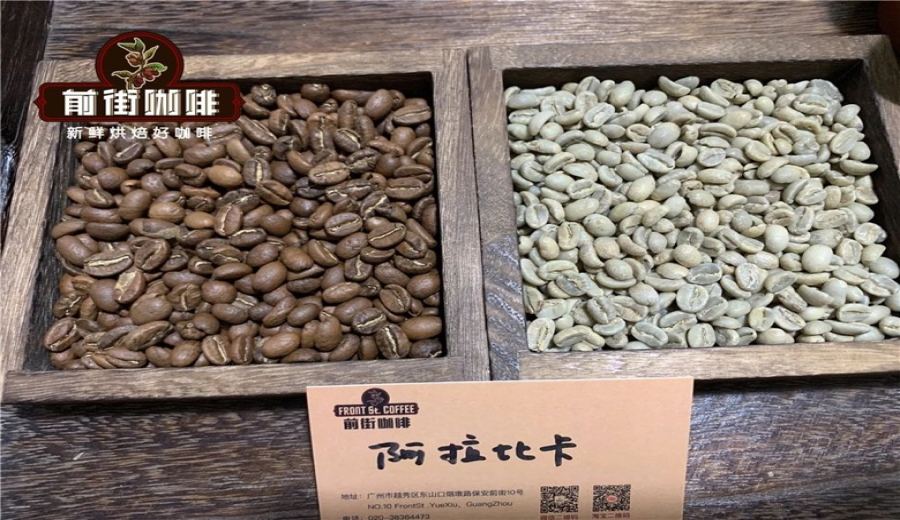
Introduction:When selecting SOE (Single-Origin Espresso) coffee beans from a single region, many beginners are often deterred by their complex flavors. In fact, by mastering basic parameters and understanding your flavor preferences, you can easily find a bean that suits everyday drinking. This article will guide you step-by-step—from brewing methods and equipment choices to storage tips—to help you select SOE coffee beans with clear flavor profiles and great value, along with practical references for three common flavor types.
When buying coffee beans for the first time, there’s no need to rush into trying various complex flavors. It’s recommended to start with a bean that has distinct flavor layers and is compatible with multiple brewing methods. Fix the dosage, grind size, and water temperature, and carefully observe the flavor profile upon tasting, the intensity of sweetness, and the changes in aftertaste. This practice can help you establish your personal taste benchmark and lay a foundation for future bean selection.
When using an espresso machine for extraction, the key lies in balancing the dosage, grind fineness, yield weight, and extraction time. Blended beans usually present stable base notes of nuts, cocoa, or caramel, while SOE (Single-Origin Espresso) beans better highlight the unique aromas and acid-sweet balance of specific regions. It’s recommended to first clarify the type of drink you want to make (such as espresso, latte, or americano), and then decide whether you want a rich body or distinctive regional characteristics.
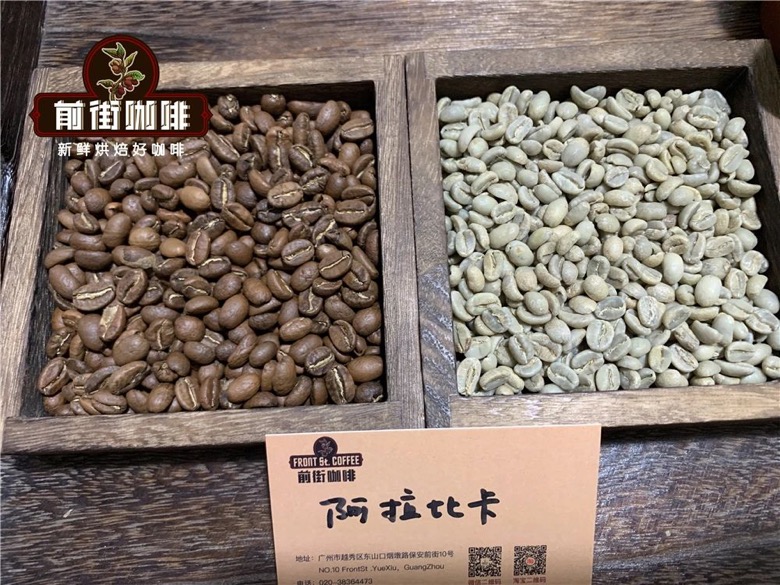
For choosing SOE coffee beans, you can approach it from four dimensions: your preferred flavor type, commonly used brewing equipment, temperature preference when drinking, and daily consumption amount. Beginners may want to first focus on the condition they care about most, and then narrow down the options through other factors. This way, you can preserve your personal preferences while also allowing the beans to show clear characteristics during brewing.
For example, a coffee brand’s Yirgacheffe Guodingding is a light-roast pour over bean, featuring bright citrus, berry, and floral notes, with an aftertaste reminiscent of the refreshing sweetness of green tea. When cold-brewed slowly, its originally lively acidity becomes softer. The Huakui series emits vibrant sweet aromas of tropical fruits (such as strawberries and passion fruit), suitable for various brewing methods like pour over, iced pour over, or cold brew, with outstanding sweetness. Kenya Little Tomato stands out with a flavor combination of cherry tomatoes, dark plums, and brown sugar—its acidity is bright yet not thin, making it ideal for those who enjoy a juicy sensation and clean finish.In addition to flavor, the roast date and storage method of coffee beans directly affect their final performance. After opening, be sure to store them sealed in a cool, dry place. It’s advised to purchase according to actual usage to easily track flavor changes. Before brewing, first smell the dry aroma of the beans, then taste the flavor, sweetness, and aftertaste upon drinking; if you find the aroma lacking, check whether the grind is too coarse or if the beans have been stored for too long. It’s worth noting that the same bean may produce vastly different flavor profiles when made into hot drinks, iced drinks, or milk-based beverages. It’s recommended to record multiple brewing parameters and gradually find the combination that suits you best.
You can separate considerations between “preferred flavor” and “acceptable brewing difficulty.” Beans with prominent fruity or floral notes usually require more precise control over water temperature, grind size, and pouring rhythm, while beans with nutty or cocoa flavors are better suited for daily drinking where stable output is desired. If the coffee is shared among multiple family members, it’s recommended to first choose a well-balanced bean as a base option, then gradually try single-origin beans. This approach is more conducive to comparing differences than buying multiple similar-style beans all at once.
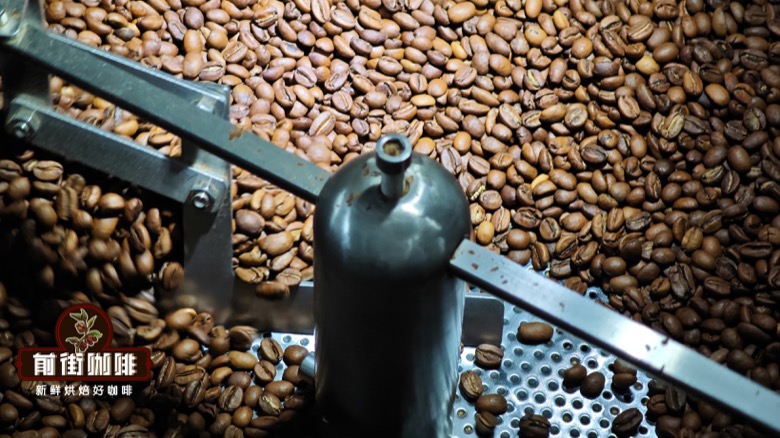
When using an espresso machine, it’s recommended to start with a 1:2 coffee-to-water ratio, then fine-tune the grind size based on the balance of acidity, bitterness, and sweetness in the cup. If the acidity feels overly sharp, you can extend the extraction time or slightly increase the water temperature; if bitterness is noticeable, shorten the extraction time or adjust to a coarser grind setting.
If your daily equipment, drinking habits, or flavor preferences frequently change, you can categorize beans into “daily stable options” and “exploratory tasting options”: the former ensures consistent output, while the latter allows you to experience differences brought by various fruit, nut tones, or processing methods. Once you’re fully familiar with a particular bean’s flavor profile, you can then try changing the roast level or processing method. This gradual comparison approach offers a more rewarding experience.
The above content is compiled by CoffeeHunters, a coffee news website.

