







Introduction:Not sure where to start when choosing coffee beans with chocolate flavors? This article starts from everyday drinking scenarios, analyzes how different roast levels affect flavor profiles, and offers practical bean recommendations and brewing tips. Whether you’re a pour over enthusiast or prefer milk-based coffee, you can find beans that suit your taste and usage habits, while mastering key extraction parameters to make every cup more enjoyable.
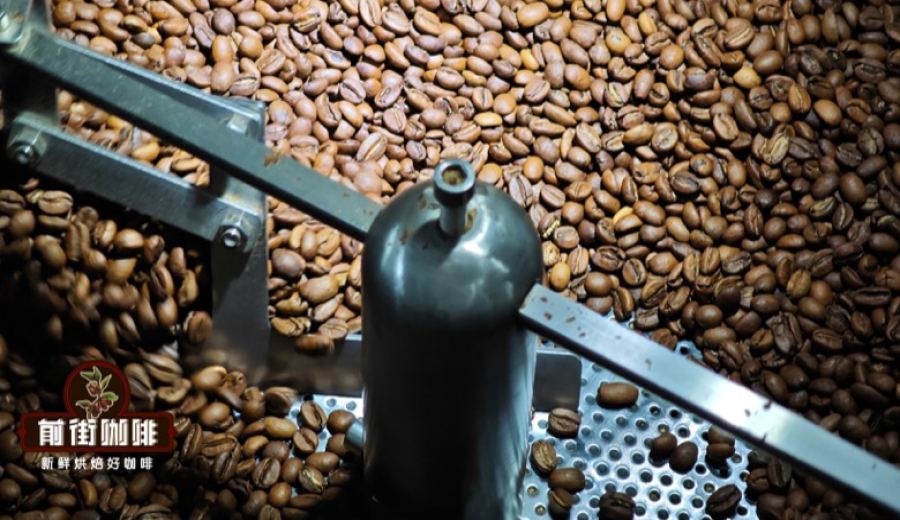
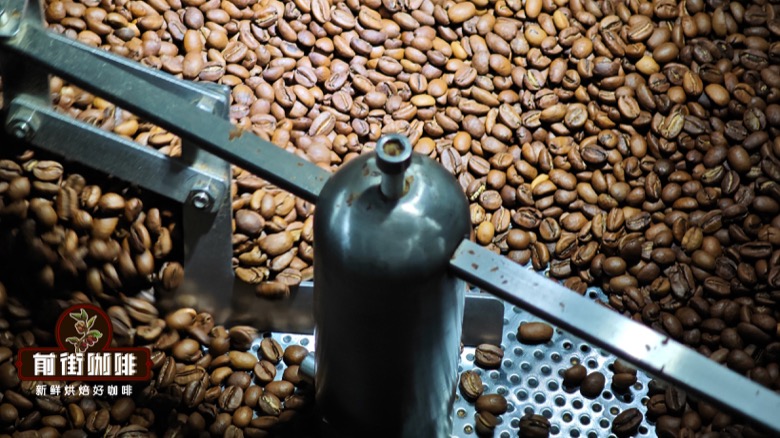
When selecting coffee beans, it’s advisable to first consider your daily drinking situations: Are you looking for a black coffee to wake you up in the morning, or a milk coffee to go with breakfast? Do you enjoy the leisure of pour over, or do you need a quick cup during a busy morning? Different usage scenarios directly influence the ideal roast level, flavor intensity, and brewing method. For example, dark roasted coffee often exhibits notes of cocoa, nuts, and caramel, with lower acidity—but bitterness isn’t necessarily tied to roast depth. If the water temperature is too high, the grind size too fine, or the extraction time too long, the result can be dry and overly bitter. Mastering the right extraction parameters ensures a smoother and more balanced coffee flavor.
If you're looking for coffee beans with a "chocolate flavor," it's recommended to approach it from several angles: your preferred flavor profile, the brewing equipment you usually use, the serving temperature of the coffee, and how often you drink coffee daily. Clarify which need matters most to you, then use that as a basis to filter other conditions. This not only aligns with personal taste but also allows the coffee to showcase more distinct characteristics during actual brewing.
Take classic dark roast blends as an example. Common base combinations such as Brazil Cerrado and Colombia Huila can bring out harmonious layers of nuts, caramel, and cocoa. Whether enjoyed as a straight black coffee or with milk as a milk coffee, they deliver stable performance. Additionally, some beans are known for their low acidity and soft sweetness—for instance, Papua New Guinea Bird of Paradise, which has a clean and rounded mouthfeel, with a flavor texture close to traditional high-altitude coffees, suitable for those seeking balanced taste. If you prefer a brighter, juicier profile, Colombian Geisha offers aromas of passion fruit, blueberry, grape, and apricot. Methods like ice pour over, cold drip, or single-origin brewing (SOE) can highlight its refreshing characteristics.
Besides flavor direction, the roast date and storage method of coffee beans are also crucial. It’s recommended to seal them tightly after opening and store them in a cool, dry place, and to purchase according to your daily consumption so it’s easier to observe flavor changes over time. Before brewing, first smell the dry aroma, then savor the sweetness and aftertaste upon tasting. If you find the aroma lacking, it could be due to a coarse grind size or the beans being stored for too long. Moreover, the same beans may perform quite differently in hot drinks, iced versions, or when mixed with milk. It’s advised to record several brewing parameters to gradually find the combination that best suits your taste.
If you haven’t fully mastered brewing techniques yet, it’s a good idea to separate “your favorite flavors” from “the brewing difficulty you can handle.” Fruity and floral beans usually require more precise control over water temperature, grind size, and pouring rhythm, while nutty and cocoa-forward blends are better suited for daily use where stability is prioritized. If multiple household members share the coffee, it’s suggested to start with a flavor-balanced bean as the base, then gradually try other styles based on individual preferences. This makes it easier to compare differences than buying several similar-flavored beans all at once.
For dark roast beans, it’s recommended to start with a slightly lower water temperature and shorter extraction time, first observing the sweetness and body, then adjusting as needed. When making milk coffee, ensure the espresso itself has enough body—only then will the overall flavor be full and satisfying after adding milk.
If your brewing equipment, drinking habits, or flavor preferences change frequently, you might also consider dividing beans into two categories: “everyday stable choice” and “exploratory variety.” One handles daily reliability, while the other lets you experience surprises from different fruity, nutty, cocoa notes, or unique processing methods. By combining considerations of your usual equipment, drinking style, and personal flavor preferences, you can choose beans with more direction—rather than simply chasing a single keyword.
The above content is compiled by CoffeeHunters, a coffee news website.

