







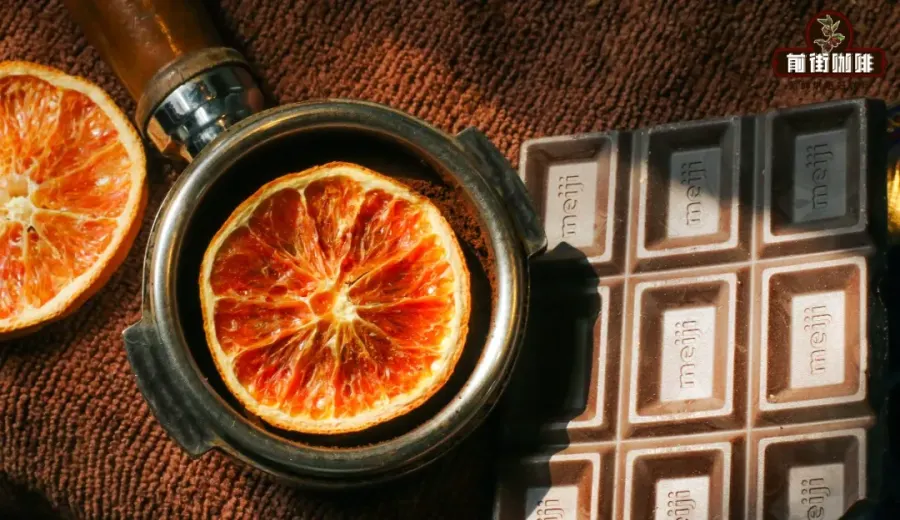
Introduction:During the cold season, a latte that blends the freshness of citrus with the richness of chocolate is a warming and comforting choice. This article will detail how to use orange peel syrup instead of fresh citrus to prevent the milk from curdling due to acidity, which can result in an unpleasant texture. It also recommends suitable types of chocolate and coffee beans, along with standardized espresso extraction and milk frothing parameters, to help you easily create this richly layered winter specialty drink.
As winter chill sets in, a latte that combines the sweet aroma of citrus with silky chocolate not only warms your hands but also awakens your taste buds. This "Orange-Chocolate Latte" uses orange peel syrup to bring out a fresh fruity note, cleverly avoiding the issue of milk protein denaturation that real citrus pulp might cause, ensuring a smooth texture and appealing presentation.
For flavoring, it is recommended to use orange peel syrup, which has a rich aroma and balanced sweetness, complementing chocolate more harmoniously than typical citrus fruits. To reduce overall sweetness, you may opt for low-sugar chocolate or even replace commercial chocolate sauce with unsweetened cocoa powder, resulting in a final product that is sweet but not cloying, with a fresher taste.
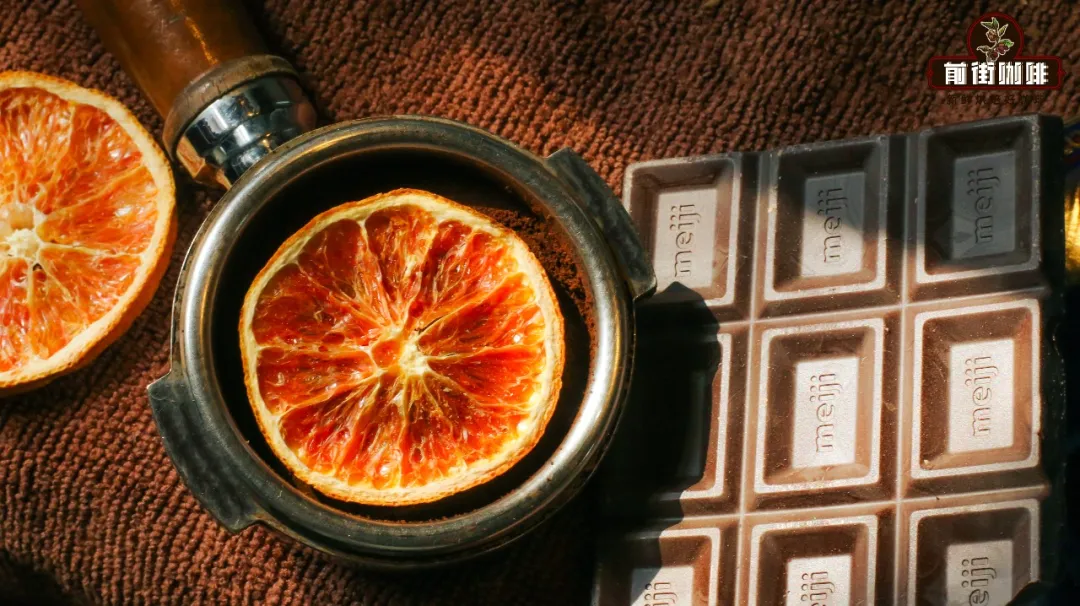
As for coffee bean selection, you can choose based on personal taste preferences in two main directions. For those who prefer a bold flavor, medium to dark roasted espresso blends—such as classic commercial or specialty blends—are recommended. These highlight intense notes of nuts, caramel, and cream, pairing excellently with orange and chocolate, creating a flavor profile reminiscent of a liquid orange-chocolate wafer biscuit.
If you prefer a milder and less heavy taste, a medium-roasted single-origin bean (SOE) is also a great option. For example, Ethiopia’s Huila or a fruit-toned Gesha blend can present a lighter coffee base, suitable for those who are not accustomed to strong roasted flavors.
For the milk base, regular fresh milk or oat milk both work well. The key is to avoid overly concentrated processed milk to prevent the final drink from becoming too heavy and disrupting the overall flavor balance.
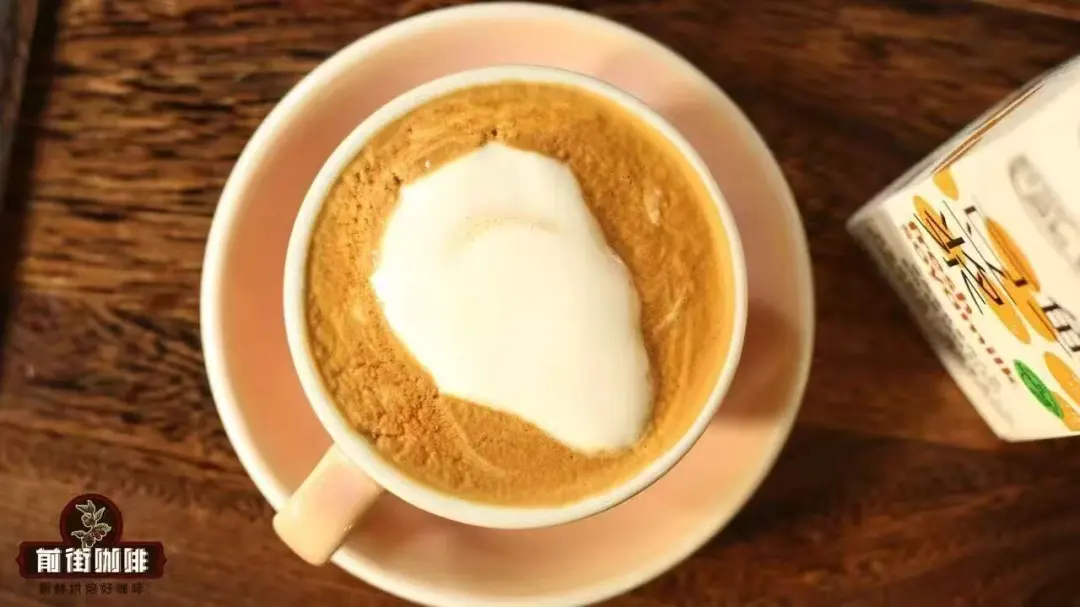
Next comes the actual preparation process. During the setup phase, place 15 milliliters of orange peel syrup and 15 grams of low-sugar chocolate (or an equivalent amount of cocoa powder) at the bottom of the cup. This way, the flavors can meld together while the espresso is being extracted. If using cocoa powder, remember to gently stir it with a bamboo whisk to ensure there are no lumps.
When extracting the espresso, it is recommended to use 20 grams of coffee grounds to yield about 40 milliliters of espresso, with an extraction time of around 30 seconds. These parameters allow for a stable extraction of rich coffee compounds, laying a solid foundation for subsequent flavor layering.
Immediately afterward, froth 180 milliliters of milk to a target temperature of 65°C, maintaining a thin layer of microfoam. This provides a smooth texture and favorable latte art results. Once the milk is frothed, slowly pour it into the espresso that has already been combined with the syrup and chocolate. Gently swirl or use a spoon to assist blending, then finish with latte art to complete this winter-themed specialty latte.
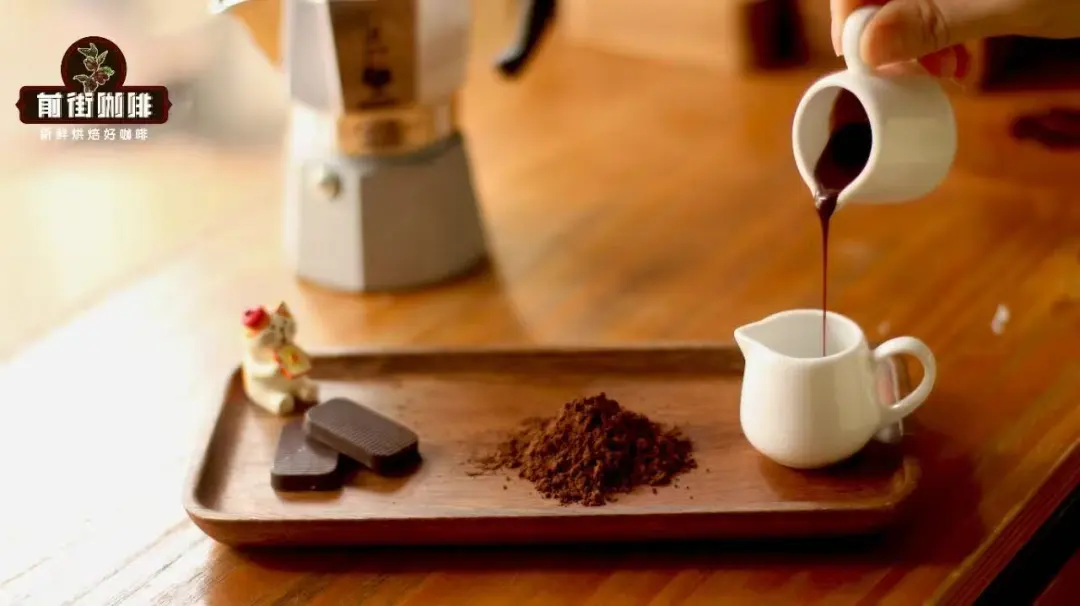
The final drink will showcase a complex flavor profile of citrus, cream, nuts, and caramel, offering a rich yet refreshing mouthfeel—like sipping on a liquid orange-chocolate wafer. It’s perfect for savoring at the start of the new year or on cold days. As long as you get the ratio of syrup to chocolate, the roast level of the beans, and the extraction parameters right, this limited-edition winter-flavored latte is definitely worth trying yourself.
The above content is compiled by CoffeeHunters, a coffee news website.


