








Introduction:What’s the difference between decaf coffee and regular coffee? Does the decaffeination process affect flavor? This article delves into the definition of decaf coffee, the principles behind common decaffeination techniques, and compares caffeine content standards in the EU and the US. It also explains why decaf coffee often presents caramel and chocolate notes, and offers practical buying tips to help you find the right decaf coffee for you.
What exactly is the difference between decaf coffee and regular coffee? For those sensitive to caffeine or aiming to reduce their intake, understanding how decaf coffee is made and its flavor characteristics is crucial. Starting with caffeine content, this article explores the differences between naturally low-caffeine and artificially decaffeinated coffee, and details the workings and pros and cons of three main decaffeination methods: sugarcane decaffeination, supercritical carbon dioxide processing, and Swiss Water processing—giving you a comprehensive look into the world of decaf coffee.
First, as the name suggests, decaf coffee is a product with significantly lower caffeine content than regular coffee. Typically, commercially available coffee can be divided into two main types: Robusta and Arabica. Among them, Robusta contains about 1.8% to 4% caffeine by bean weight, averaging around 2.2%; whereas Arabica ranges from 0.9% to 1.2%, averaging about 1.2%—roughly half that of Robusta. This gap is already quite significant.

However, even so, there is a coffee variety with even lower caffeine content: ‘Laurina,’ a type of Arabica. This coffee bean naturally contains only about half the caffeine of regular Arabica, thus being classified as naturally low-caffeine coffee. Nevertheless, due to its weaker resistance to pests and diseases, challenging cultivation, and scarce yield, naturally low-caffeine coffee is extremely rare on the market. As a result, most decaf coffee sold today is artificially decaffeinated.
Artificially decaffeinated coffee has even lower caffeine content. According to EU standards, decaffeinated coffee must contain no more than 0.1% caffeine by weight of the green beans; the US FDA stipulates reducing caffeine content to below 3% of the original level. The two standards are actually quite similar. To achieve such low caffeine levels, the following three technologies are primarily used: sugarcane decaffeination, supercritical carbon dioxide processing, and Swiss Water processing.
Sugarcane decaffeination uses chemical solvents, such as methylene chloride or ethyl acetate, to dissolve caffeine out of the green beans. During the process, steam is first used to open the pores of the beans, similar to the blooming step in pour over brewing, making internal substances easier to release. The beans are then soaked in a liquid containing the solvent, allowing the caffeine to be dissolved out. Afterward, the solvent is separated from the beans, and any residual solvent is removed via steaming. Notably, ethyl acetate is often derived from sugarcane, which is why this method is also commonly referred to as sugarcane decaffeination. However, this method lacks selectivity and can easily remove other flavor compounds along with the caffeine, affecting the final aroma of the coffee.
Another common technique is supercritical carbon dioxide decaffeination. This method first hydrates and swells the coffee beans, then injects liquid carbon dioxide under high pressure (over 100 atmospheres). Leveraging carbon dioxide’s high selectivity for caffeine, it extracts the caffeine. Because carbon dioxide in this state exhibits properties of both a gas and a liquid, it can precisely capture caffeine while minimally affecting other compounds, thereby preserving the coffee’s original flavors relatively intact. However, the equipment and operational costs of this technology are high, resulting in a higher final product price that is not easily accessible to the general public.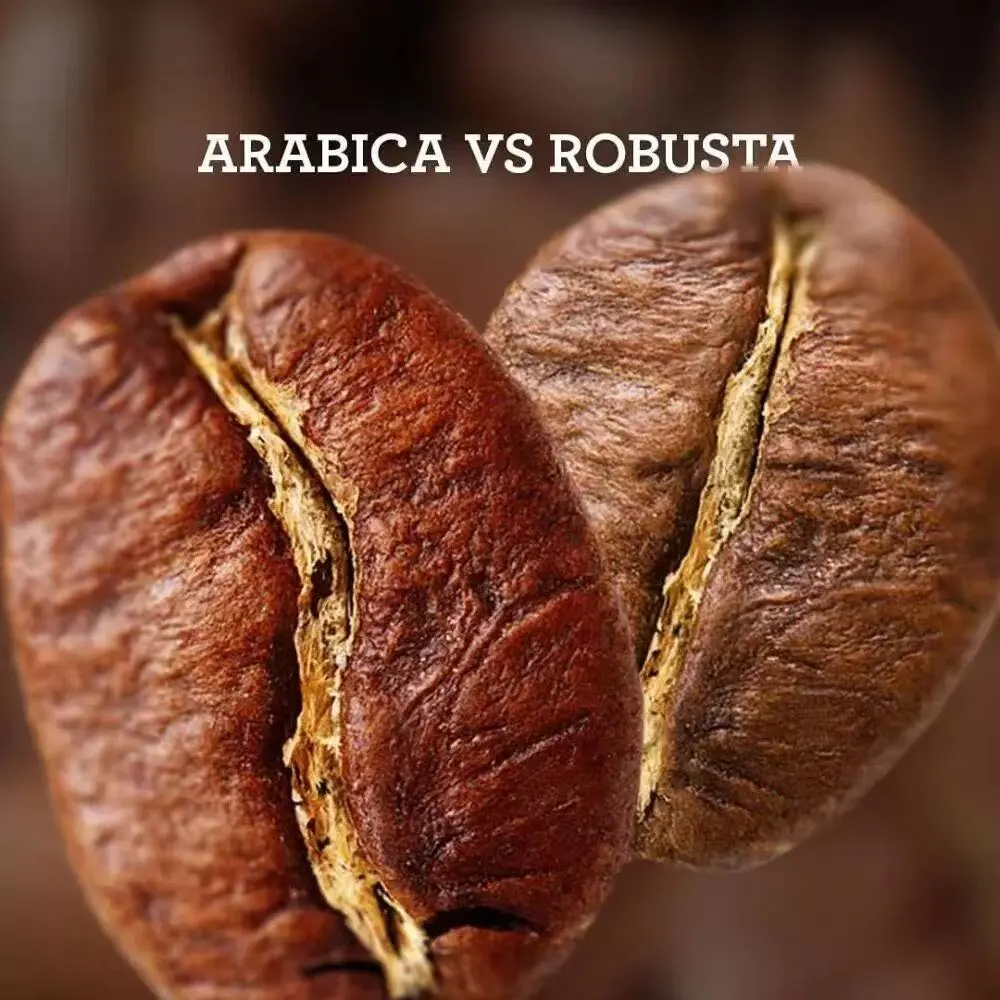
The third mainstream method is Swiss Water decaffeination. The process involves first soaking the beans in hot water to extract various flavor compounds, including caffeine. Activated carbon is then used to filter out the caffeine from the solution. Finally, the decaffeinated extract is returned to the beans, allowing the other flavor compounds to be reabsorbed. This approach does not use chemical solvents, not only reduces caffeine content but also retains the coffee’s original flavors to a certain extent. Meanwhile, the processing cost is relatively reasonable, making it one of the more common decaffeination methods on the market today.
However, regardless of the decaffeination method used, the overall flavor of the coffee beans is affected to some degree. This is why many decaf coffees have a more muted profile, often lacking bright floral or rich fruity notes, and instead tend to present mellow, warm tones of caramel and chocolate. These flavors are softer and less likely to be significantly lost during processing, hence becoming more common in decaf coffee aromas.
If you prefer decaf coffee with richer flavors, it’s recommended to choose products with a darker roast. Dark roasting brings out more baked aromas like chocolate, nuts, and caramel, making the coffee’s overall profile smoother and reducing the sense of flavor loss caused by decaffeination. Especially for those who are not accustomed to caffeine but still want to enjoy a rich cup of coffee, medium-dark roasts are often more appealing.
In summary, decaf coffee isn’t inherently lacking in flavor; rather, due to processing limitations and the nature of the beans themselves, its aroma differs from that of high-quality regular coffee. Understanding the principles and impacts of various decaffeination processes can help you make choices better suited to your needs. If you’re looking for a decaf coffee with relatively soft flavors and a smooth mouthfeel, consider starting with a medium-dark roast option.
The above content is compiled by CoffeeHunters, a coffee news website.


