







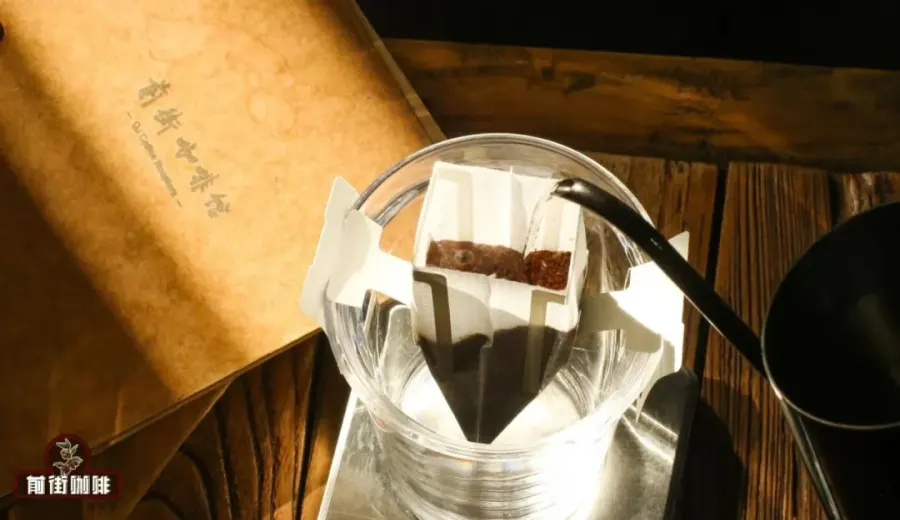
Introduction:Many coffee beginners often wonder: is blooming necessary when brewing pour-over coffee using filter bags? In fact, although filter bags are a convenient alternative to pour-over, this blooming step should not be overlooked. This article will delve into the key differences between filter bags and pour-over, compare the extraction results of blooming versus no blooming through experiments, and provide suitable daily-use blooming times and complete operation suggestions tailored to the characteristics of pre-ground coffee powder, so you can easily brew a cup of filter bag coffee with balanced flavor.
Filter bag coffee is often seen as a convenient substitute for pour-over coffee, but many people mistakenly believe it simplifies all steps, including blooming. That’s not the case. Even though filter bags eliminate some equipment and preparatory steps, the techniques of blooming and pouring water during extraction remain key factors that affect flavor and strength. This article will use actual tests to compare the differences with and without blooming, analyze the principles behind them, and help you master a more precise way to brew with filter bags.
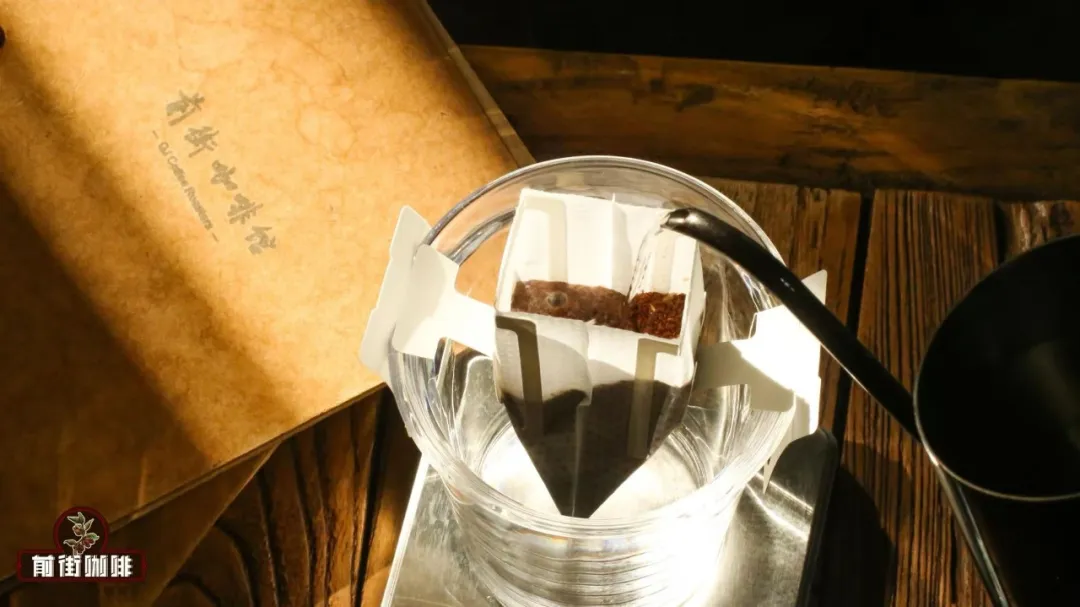
To clarify these doubts, we conducted a controlled experiment using a popular filter bag coffee, using a standard coffee-to-water ratio of 1:15 and a water temperature of 92°C. The experiment was divided into two groups: one followed the standard pour-over procedure—starting with a 30-second bloom using twice the amount of hot water as coffee grounds, then pouring in three stages with small circular water streams, for a total extraction time of about 2 minutes; the other group went straight to four-stage pouring, waiting for the water to pass through after each stage, reducing the total time to 1 minute and 45 seconds but without blooming.
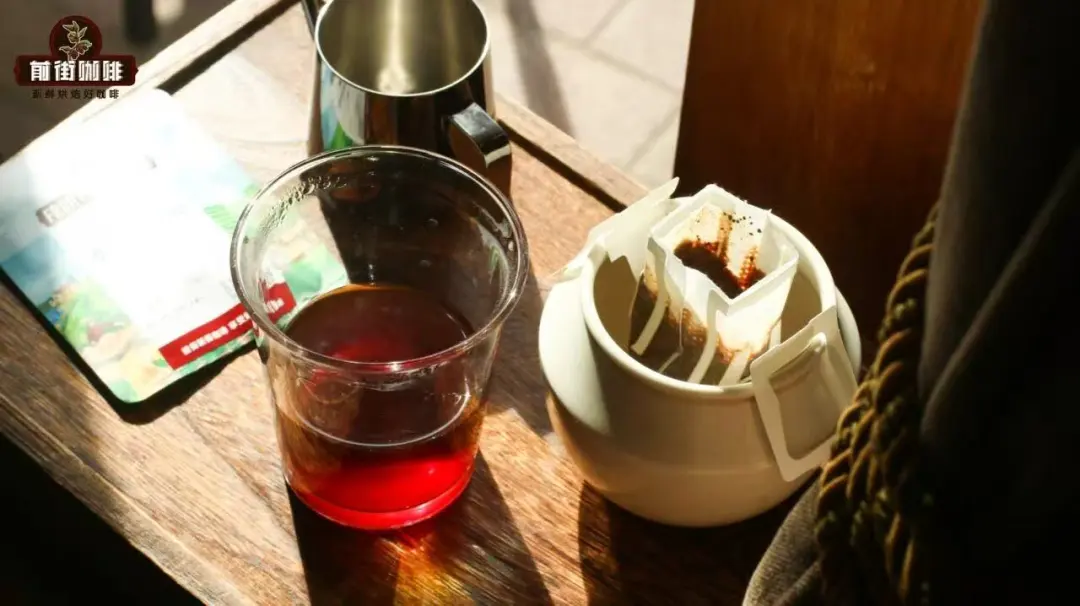
The experimental results showed that the coffee with blooming achieved a concentration of 1.51%, with rich flavor layers—you could distinctly taste berries, citrus, and subtle floral notes. The mouthfeel was refreshing, with a long aftertaste. In contrast, the coffee without blooming had a concentration of only 1.34%, with a flavor that leaned toward a single sour-sweet profile, flatter in complexity, and a weaker mouthfeel. This clearly demonstrates that blooming has a significant impact on improving the overall performance of filter bag coffee.
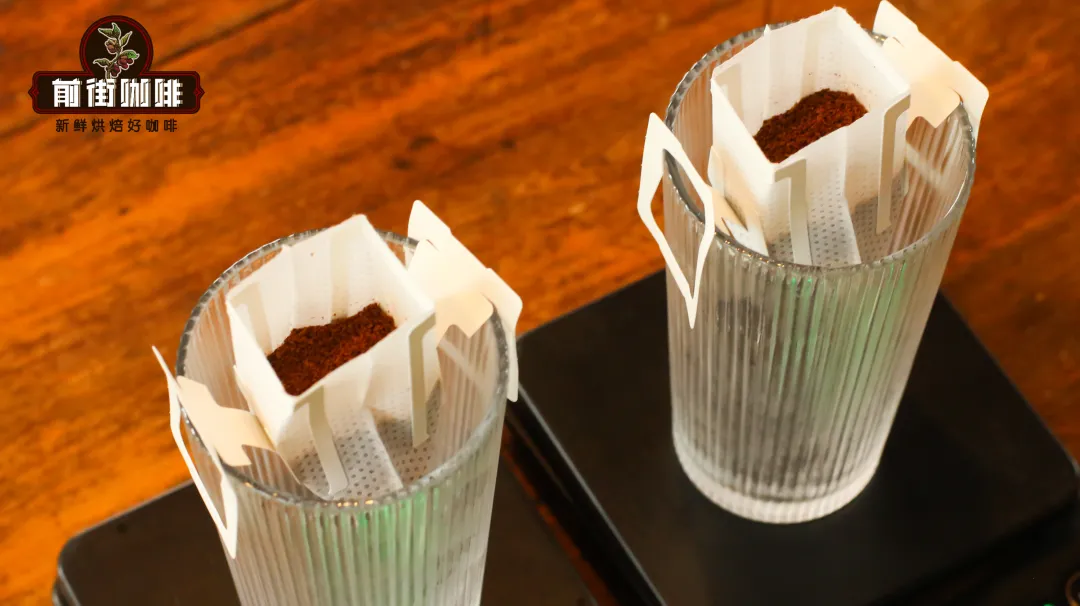
Why is blooming so important? The key lies in the carbon dioxide within the coffee grounds. Roasted coffee beans release a large amount of carbon dioxide, and if water is poured without blooming, these gases can hinder the contact between hot water and the coffee grounds, affecting the extraction of flavor compounds. The blooming process allows carbon dioxide to escape in advance, enabling subsequent water pouring to more effectively extract the essential components of the coffee, thereby enhancing richness and flavor expression.
However, filter bag coffee differs from freshly ground beans. Since filter bags use pre-ground coffee powder, some of the carbon dioxide has already dissipated during packaging and storage. Therefore, the blooming time does not need to be very long. It is generally recommended to control the blooming time at around about 20 secondsto achieve the effect of releasing gas and promoting extraction, while avoiding excessively prolonging the total brewing time.
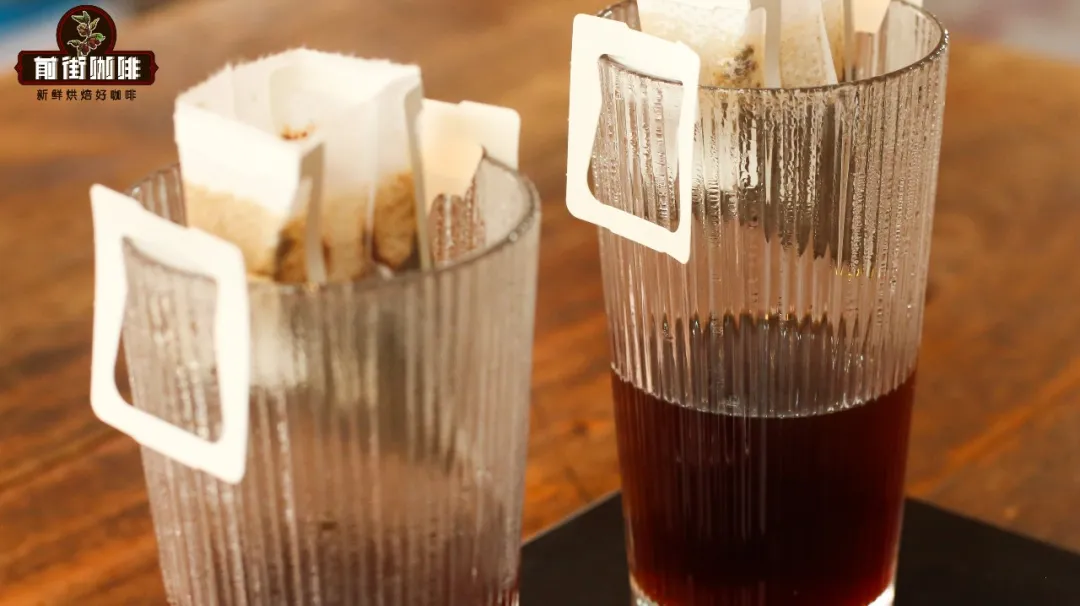
In summary, although filter bag coffee is convenient, it is still recommended to retain the blooming step during brewing to achieve better extraction efficiency and flavor performance. Just adjust the blooming time appropriately based on the freshness of the coffee grounds and actual conditions. Even with everyday brewing, you can easily enjoy a cup of filter bag coffee with balanced flavor and smooth mouthfeel.
The above content is compiled by CoffeeHunters, a coffee news website.


