








Introduction:Want to turn the extra chocolate at home into delicious coffee? This article takes you from classic mocha and step-by-step explains how to use chocolate syrup or powder to make four types of coffee, including salted mocha, orange chocolate latte, and chocolate Dirty, while providing espresso extraction parameters, milk and chocolate ratios, as well as tips for adjusting hot and cold versions—so you can easily recreate professional-level flavors at home.
Too much chocolate at home and not sure how to use it up? Why not incorporate it into a cup of coffee where chocolate is the soul? This article will guide you through making four easy-to-make and uniquely flavored chocolate coffees. Starting with the classic mocha, we’ll extend to the sweeter-tasting salted mocha, the orange-scented chocolate latte, and the chocolate Dirty that combines contrasting layers of hot and cold. Using a medium-to-dark roasted classic Italian blend as the base, the article details the dosage, coffee-to-water ratio, and brew time for espresso, and offers practical advice on the form of chocolate used (syrup or powder), sweetness balance, and adjustments for hot and cold versions—to help coffee lovers replicate shop-quality drinks at home.

If you’re struggling with leftover chocolate at home, why not try a different approach and transform it into a cup of coffee bursting with chocolate flavor. Compared to typical commercial chocolate drinks, festive chocolates often carry a strong celebratory vibe. Even if the taste isn’t necessarily more impressive, that unique “holiday feel” can definitely add a special touch to your everyday beverage.
Here are several chocolate coffee recipes perfect for making at home. Whether you're a beginner or already have some experience, you can easily get started. If you have other creative pairings, feel free to leave a comment. Now, let’s begin with the most classic style—the mocha coffee.
1. Mocha Coffee
The mocha coffee we commonly refer to today mostly means an Italian-style milk coffee with added chocolate. The process is actually not complicated—you just need to add chocolate elements to a regular latte.

As for the amount of chocolate used, it can be flexibly adjusted based on the sweetness of your coffee beans and chocolate. It’s recommended to choose medium-to-dark roasted beans, as dark roast flavors naturally complement chocolate, highlighting and enriching each other’s aroma and texture. This article uses a medium-to-dark roasted classic Italian blend—the resulting espresso has distinct notes of cream, nuts, and chocolate, with excellent crema performance.
The basic structure of a mocha is similar to that of a latte, so you can directly apply the milk ratio used in lattes. If using chocolate with medium-to-high sweetness, it’s recommended to keep the amount within 15 grams to avoid being overly sweet and cloying. If the chocolate bar is large, you can crush it in advance and place it in the container that will hold the espresso, allowing the hot coffee to naturally dissolve the chocolate.
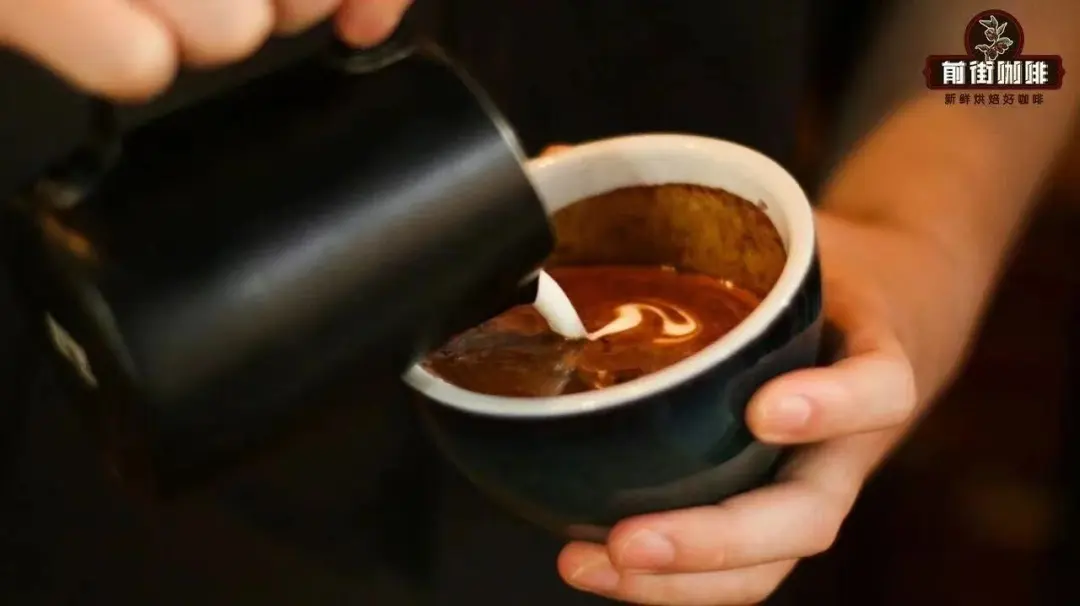
The standard espresso extraction parameters are: 20g coffee grounds, 1:2 coffee-to-water ratio—yielding about 40ml of liquid, with an extraction time controlled around 30 seconds. Using a mocha pot is also a great option.
After extraction, stir the espresso and chocolate with a bamboo whisk until fully combined with no visible particles. Next, prepare the milk: for a hot mocha, use 180–200ml of milk, froth to a thin layer of microfoam, with temperature recommended around 65°C, and you can finish with latte art if desired; for an iced mocha, use 180ml of milk plus about 100g of ice cubes, and increase the chocolate amount to 20g to compensate for flavor dilution after icing.

The final drink is rich, smooth, with balanced aroma between coffee and chocolate. It’s warm and comforting, making it perfect for autumn and winter.
Besides the standard version, there are many variations of mocha—such as the salted mocha introduced next.
2. Salted Mocha
Making a salted mocha is not complicated, and the secret lies in adding a pinch of salt to enhance the flavor layers. The basic steps are exactly the same as the aforementioned mocha, with the only difference being the addition of 0.5g of salt into the portafilter when extracting the espresso.
The addition of salt can skillfully adjust taste perception, making the sweetness more pronounced and less cloying, giving the overall drink a more three-dimensional sweet profile. Though it’s just a small pinch, it can deliver a noticeable boost in flavor—highly recommended for enthusiasts to try for themselves.
3. Orange Chocolate Latte Coffee
This is a variation of the mocha, characterized by the addition of orange syrup, which gives the drink a refreshing citrus note and the aroma of wafer biscuits. Simply add 5–15ml of orange syrup to the original mocha recipe to easily complete it.
The actual method is roughly the same as the mocha described earlier, with the only thing to note being that the syrup amount should be flexibly adjusted based on the sweetness of the chocolate used, to avoid being overly sweet. This drink features distinct orange and wafer flavors, making it perfect for coffee lovers who enjoy a refreshing, sweet-and-sour taste.

4. Chocolate Dirty
Chocolate Dirty is a contrasting drink that combines hot and cold, bitter and sweet. Its highlight is the ability to experience the richness of hot espresso and the sweetness of chilled chocolate milk in one sip—distinct layers and highly entertaining.
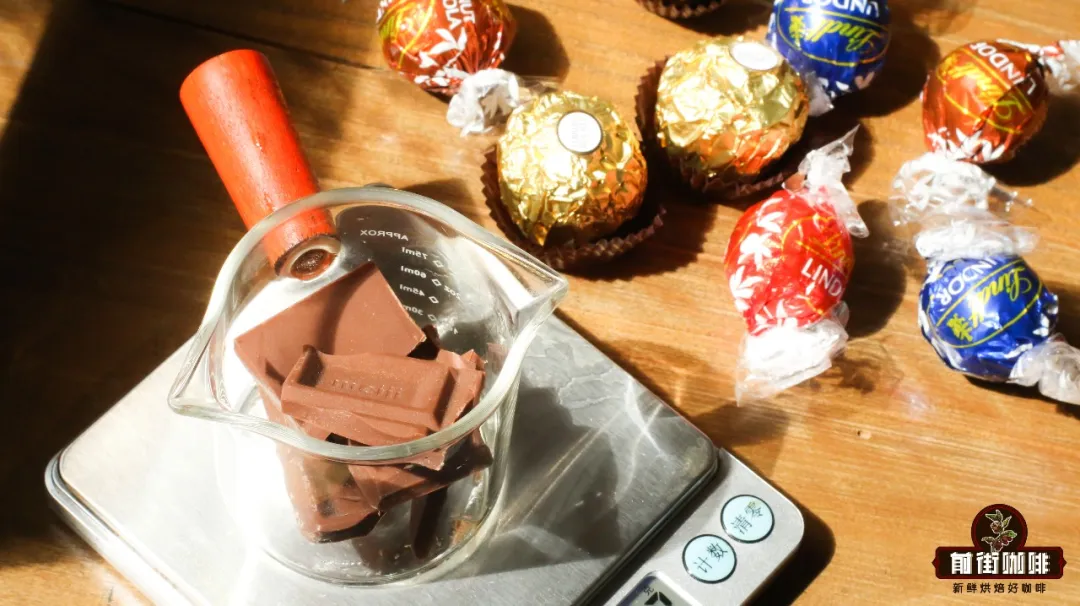
The so-called chocolate Dirty is made by replacing the regular milk in a traditional Dirty with chocolate milk. To make it, you first need to mix chocolate and milk, with the key being to melt the chocolate into a syrup. It’s recommended to use the double-boiler method to melt 20g of chocolate into a thick syrup, ensuring enough flavor concentration even in the cold drink.
First, stir the melted chocolate with a small amount of milk until uniform, then gradually add the remaining milk to complete the chocolate milk mixture.

This article demonstrates using a total of about 180ml of milk. Then, simply place this chocolate milk under the espresso spout. Once the hot espresso is extracted, pour it in to complete a cup of chocolate Dirty with striking flavor contrast.
The four chocolate-flavored coffees introduced above are not only simple to make but can also be fine-tuned according to personal taste. Feel free to try them at home, and share your own unique variations too!
The above content is compiled by CoffeeHunters, a coffee news website.


