







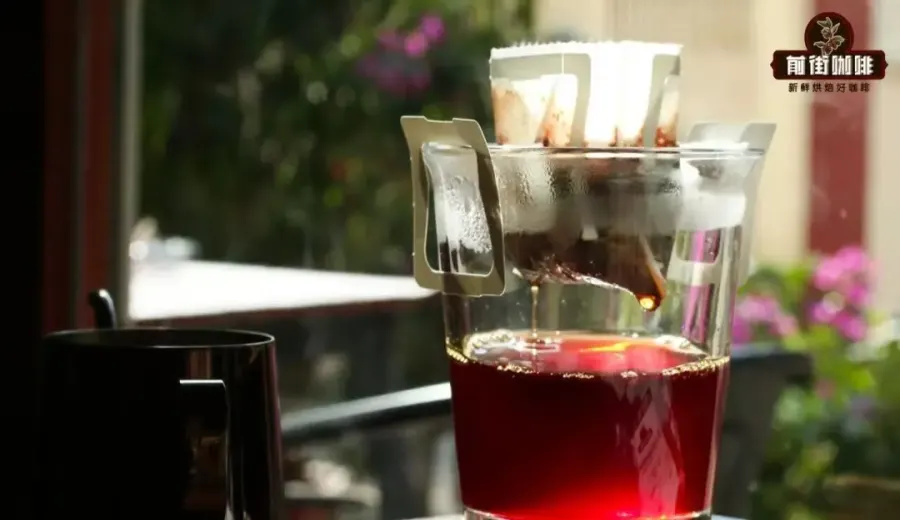
Introduction:Many office workers often use water from office water dispensers to brew pour-over coffee with drip bags. However, due to the relatively low water temperature, the extraction efficiency is compromised, leading to underwhelming flavors and thin body. This article will teach you how to adjust your pouring technique—using multi-stage pouring and proper segmentation—to effectively extend the brewing time. This way, even with a lower water temperature of around 87°C, you can still extract a rich and layered cup of coffee. We also provide actual measured TDS (concentration) and extraction rate for reference.
In office settings, many people opt for drip bag coffee as a convenient compromise that still allows them to enjoy single-origin flavors. However, when using hot water from office water dispensers, a common issue is insufficient brewing temperature—especially for light to medium-light roasted beans, where the water temperature often falls only between 85°C and 90°C. This makes it difficult to fully extract flavor compounds, often resulting in under-extracted coffee that tastes weak and lacks aroma.
If you’re not looking to change your grind size or use additional equipment, the most direct and effective solution is to improve extraction efficiency by extending the overall brewing time. This article uses a medium-light roasted Ethiopian Huakai drip bag as an example to share a practical multi-stage pouring technique. It includes detailed blooming steps, pouring volumes for each stage, and timing control to help you brew a delicious, clear-flavored, and well-layered cup of drip bag coffee—whether at home or in the office.
First, since drip bags come with pre-ground coffee, they allow busy professionals to easily enjoy a pour-over-level coffee experience without complicated equipment. However, precisely because the grind size is fixed, if you want to adjust the extraction, the only variables you can control are water temperature and pouring technique. Especially when the water temperature cannot reach the ideal level, precisely controlling the pouring rhythm and distributing the water in stages can effectively compensate for the low temperature and enhance overall extraction yield.
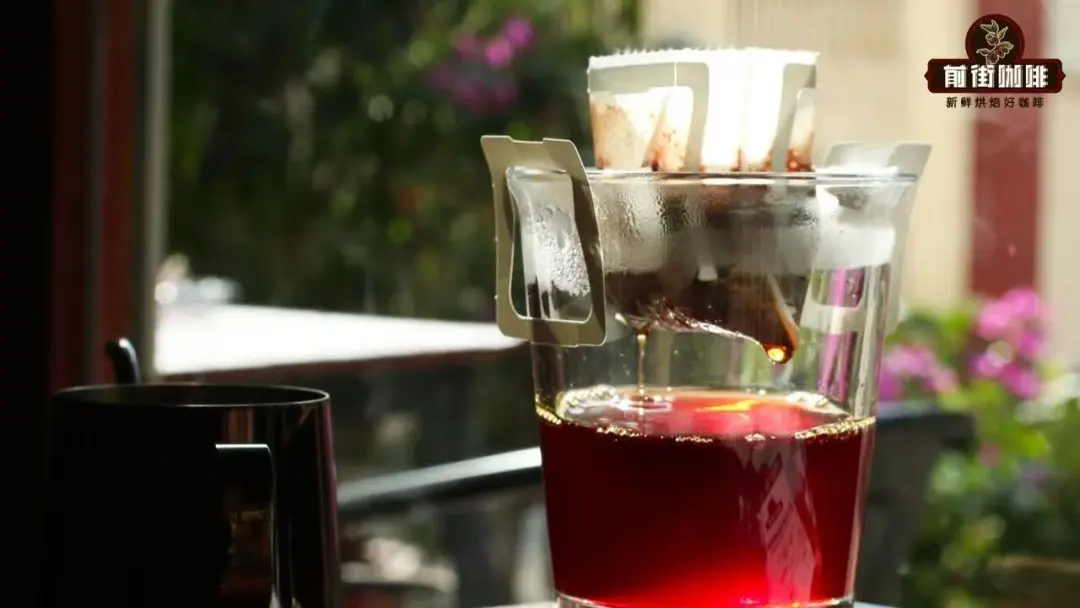
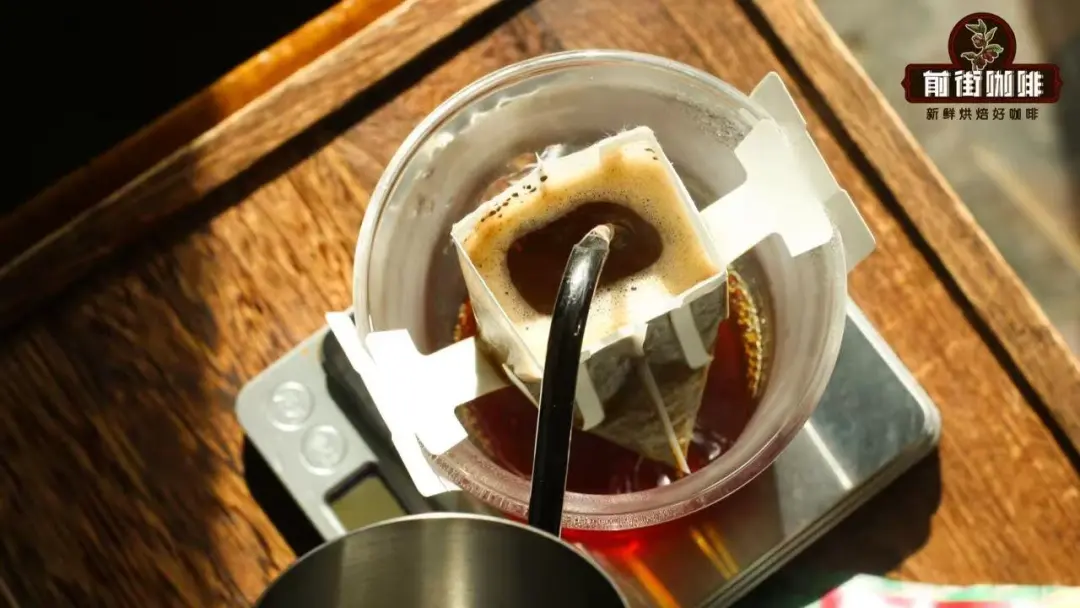
The first step of the process is blooming.Even when using a drip bag, it is essential to bloom the coffee. This helps release carbon dioxide from the coffee grounds, which aids in subsequent flavor release. It is recommended to pour about 20 ml of hot water for the bloom, and let it sit for approximately 30 seconds. If you don’t have a scale, just make sure all the coffee grounds are evenly wet. During the blooming period, you will notice the coffee grounds gradually expanding—this is normal and a sign that CO₂ is being released.
After blooming, you move on to the key phase of multi-stage pouring.It is recommended to divide the total water volume of 150 ml (based on a 1:15 coffee-to-water ratio with 10 g of coffee) into 6 to 7 pours, each around 20 ml.In practice, you can flexibly adjust based on whether you have a scale. If you don’t have one, simply ensure that each pour covers the coffee grounds or reaches about two-thirds the height of the drip bag—that’s a reasonable range.
For each pour, it is recommended to usea small stream of waterand patiently wait until the previous pour has completely dripped through before proceeding to the next. This extends the contact time between the coffee grounds and hot water, thereby improving overall extraction efficiency. Although the total brewing time may be extended to about 2 minutes and 40 seconds, the relatively low water temperature means this extended time won’t lead to over-extraction—in fact, it helps fully release the aromatic and flavorful compounds in the coffee.

Using this method, the actual test results showed that the final coffee concentration was1.45%, with an extraction rate reaching19.95%, both of which fall within a reasonable and ideal extraction range. This indicates that the soluble substances in the coffee have been sufficiently released, resulting in a more robust flavor profile. When tasting, you can clearly perceive notes of guava, strawberry, citrus acidity, along with soft floral tones, all contributing to a balanced and layered mouthfeel.
This method is effective in addressing common issues such as “lack of aroma” or “thin body.” The key lies in extending the contact time between water and coffee grounds through segmented pouring, thus compensating for the incomplete extraction caused by insufficient water temperature. Even if you're using regular hot water from an office dispenser, as long as you master the pouring rhythm and segmentation techniques, you can easily brew drip bag coffee with excellent flavor.
Additionally, if you have different flavor preferences, you can adjust the number of pours and the volume per stage according to your taste. For example, if you want to enhance fruit acidity and aroma, you might slightly increase the water temperature (e.g., closer to 90°C) or raise the proportion of water in the earlier pours. If you prefer a richer body and more pronounced sweetness, you could extend the total brewing time slightly or increase the proportion of water in the later pours.
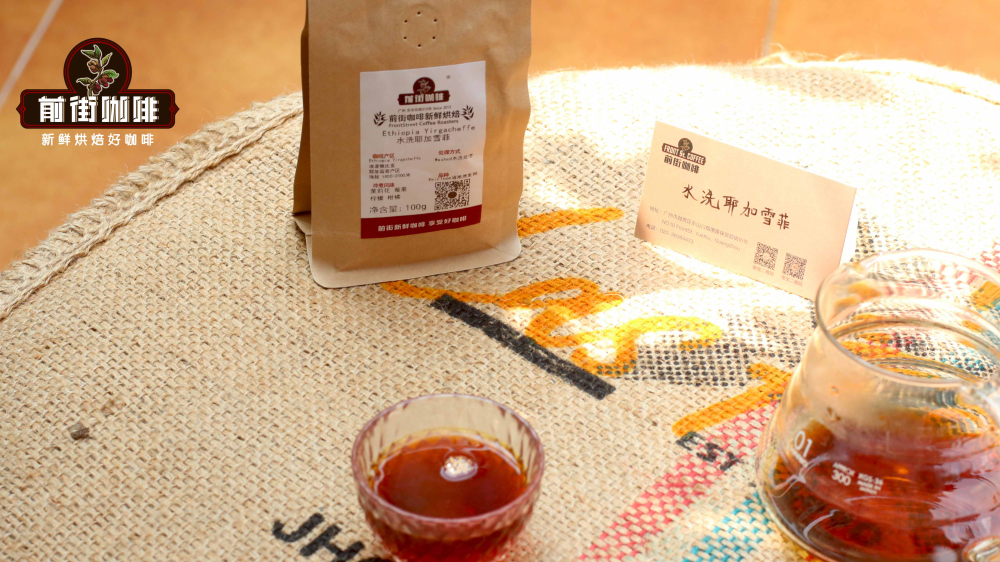
In summary, although drip bag coffee may seem simple, it actually holds great potential for flavor expression through careful adjustments. Understanding the basics of extraction and making good use of pouring techniques can help you achieve a satisfying coffee experience in various environments. This multi-stage pouring method is not only useful for situations with lower water temperatures but can also serve as a foundational skill for your future pour-over or other brewing methods.
The above content is compiled by CoffeeHunters, a coffee news website.


