








Introduction:Insomnia or palpitations after drinking coffee are often related to the amount of caffeine consumed and the type of coffee bean. This article delves into the caffeine differences between Arabica and Robusta beans, breaks down how the dosage and brewing method affect a cup’s stimulating effect, and introduces decaffeination technologies to help caffeine-sensitive individuals find the right choice for them.
Have you ever wondered why sometimes drinking coffee makes your heart race or keeps you up at night, while other times it has no effect at all? The key actually lies in the amount of caffeine intake, which is significantly influenced by factors such as dosage, brewing technique, and the variety of coffee beans. Next, we’ll take an in-depth look at the fundamental differences in caffeine content between the two mainstream coffee beans—Arabica and Robusta—and analyze the key variables that determine a cup’s “stimulating power,” while also introducing low-caffeine coffee options that are more suitable for sensitive individuals.
Some friends have shared experiences where they found that after switching to a different café, they didn’t experience palpitations or sleep disturbances at all, a stark contrast to their previous experiences elsewhere. The main reason behind this is the varying caffeine concentration in each cup of coffee. Some cafés serve coffee with higher caffeine levels, which can easily lead to insomnia or palpitations, whereas others offer relatively mild brews that won’t affect your rest even if consumed in the evening.

There are many factors contributing to this difference, including the amount of coffee powder used, the brewing method, and even the variety of coffee beans. Generally speaking, caffeine comes from the coffee beans themselves—the more powder used, the higher the caffeine content extracted. For example, in a common Americano, some shops use 18 grams of coffee powder to extract the espresso base, while others use 20 grams. That mere 2-gram difference can result in variations in the final caffeine intake.
In addition to the dosage, the brewing method is also a significant variable. For instance, using the same 20 grams of coffee powder, if you brew it via pour over, the extraction rate might be around 20%; but if you switch to espresso machine extraction, the rate could increase to about 22%. While the difference may seem minor, a higher extraction rate means more caffeine is released into the coffee liquid. This is one of the reasons why many people feel that pour over coffee is less likely to affect sleep, whereas Americanos (usually brewed via espresso machines) are more likely to cause nighttime restlessness (of course, actual results also depend on other parameters such as water temperature and grind size).
Going a step further, even when both cups are brewed via espresso machines, if one uses 92°C water and the other 94°C, the latter may contain more caffeine. This is because higher temperatures enhance extraction efficiency, releasing more caffeine from the beans.
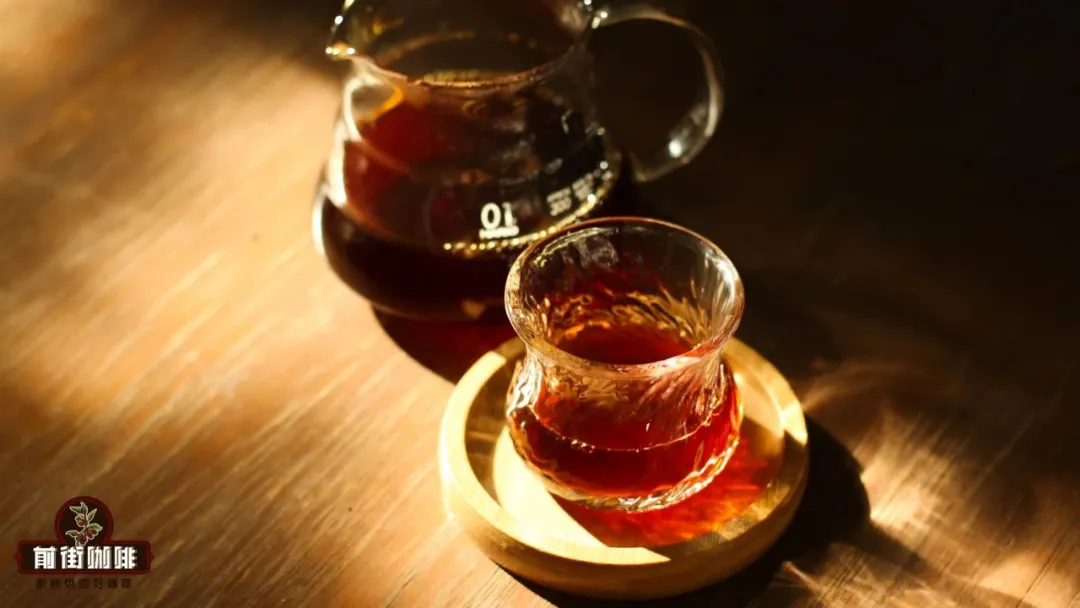
Additionally, the variety of the coffee bean itself is not to be overlooked. Much like fruits, coffee comes in various varieties, and different types can have markedly different caffeine contents. Currently, commercial coffee beans on the market are mainly divided into two categories: Arabica and Robusta. Arabica is the most commonly found variety in specialty coffee shops. It generally has a lower caffeine content, accounting for about 0.9% to 1.2% of the bean’s weight. Moreover, Arabica has higher sugar and oil content, producing rich aromas and layers of flavor, making it widely favored by baristas and consumers alike.
In contrast, Robusta has a significantly higher caffeine content, typically about twice that of Arabica. In addition to caffeine, Robusta also contains higher levels of amino acids and chlorogenic acids, resulting in a bolder, heavier taste with stronger bitterness and earthy undertones. For this reason, Robusta is often used in instant coffee production or as part of blended beans to enhance body and richness. For example, some commercial blends may include around 10% Robusta to boost the overall flavor intensity and crema performance.
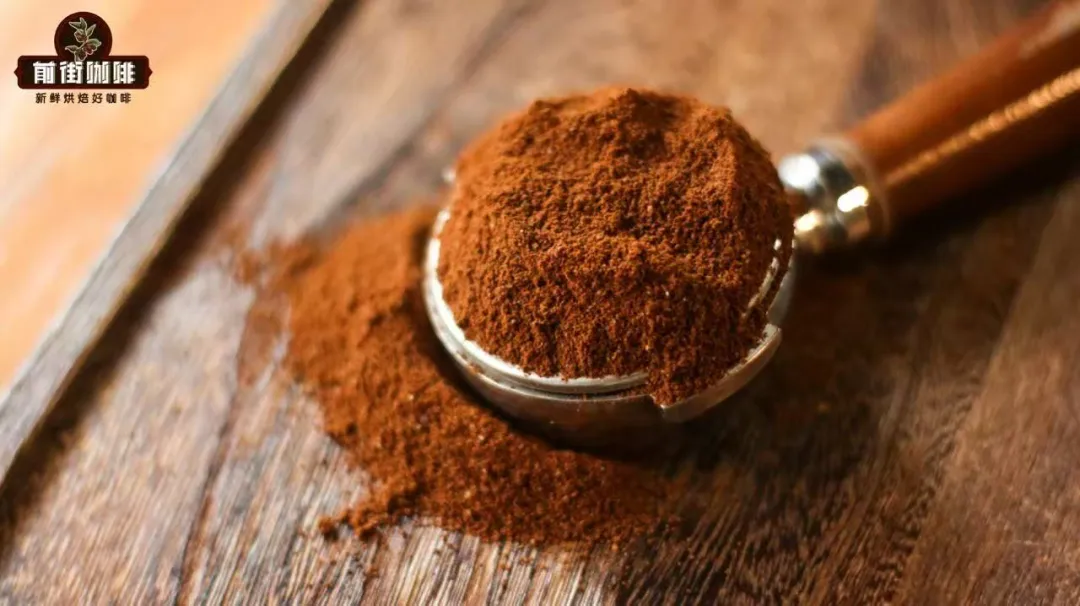
In summary, caffeine content is noticeably influenced by the brewing method, the amount of coffee powder, and the variety of beans. For those who are sensitive to caffeine, the safest approach is to control daily coffee intake or consider opting for decaffeinated coffee. Decaf coffee contains extremely low levels of caffeine, making it less likely to cause discomfort such as insomnia or palpitations, even when consumed in relatively larger amounts.
Currently, the majority of decaffeinated coffee on the market is produced using artificial decaffeination processes. One of the more common and stable methods is the Swiss Water Process. This technique removes the vast majority of caffeine while preserving the original flavor characteristics of the coffee. For instance, some decaf coffee produced in Colombia, after undergoing the Swiss Water Process, can have its caffeine content reduced to around 3% of the original bean’s level—making it a highly worthwhile option for consumers who want to enjoy coffee without worrying about sleep disturbances.
The above content is compiled by CoffeeHunters, a coffee news website.


