







Introduction:Do you know why two coffees both called Geisha can taste so different? This article takes an in-depth look at how the Geisha variety expresses itself across various regions and processing methods. Starting with the classic Panamanian Boquete washed Geisha, it extends to well-known origins such as Ethiopia, Peru, and Costa Rica. It helps you systematically understand the diverse profiles of Geisha and identify an entry-level option or an advanced challenge that suits your palate.
Though they share the same name, the flavor experience of Geisha can vary greatly. This is actually the result of a combination of variety, terroir, processing methods, and roast levels. Among these, the variety itself determines about 70% of the foundational flavor profile, while the microclimate and soil conditions of the origin contribute the remaining 30% of regional character. This article will begin with the classic Panamanian Boquete washed Geisha and gradually analyze the differences among four renowned origins, offering you a comprehensive tasting and selection guide for anyone looking to deeply understand Geisha.
To experience the most classic and representative Geisha flavor, it’s recommended to start with the washed Geisha from Panama’s Boquete region. Going back to the 2004 Best of Panama (BOP) competition, a Geisha variety called T2722 won first place with its unique clean and fruity floral character. This coffee exuded delicate white floral notes, soft citrus acidity, and a finish reminiscent of oolong tea, accompanied by a honey-like smooth mouthfeel—thereby defining the public’s perception of the “Geisha flavor.”
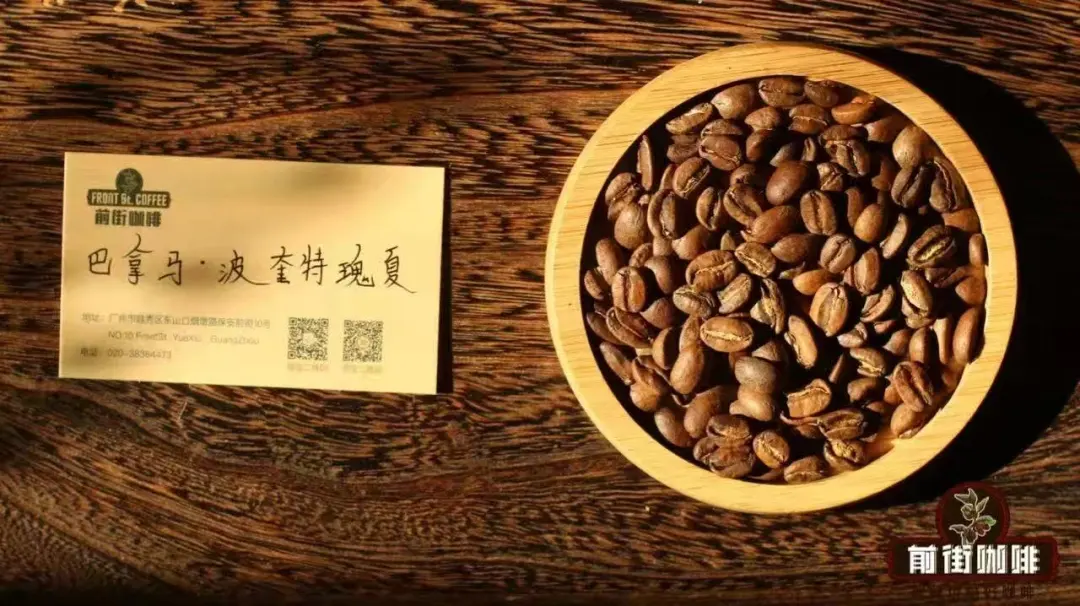
If you want to replicate this classic flavor at home, the first requirement is to choose the right variety — the award-winning T2722. The variety determines around 70% of the foundational coffee flavor, and Panama’s unique geographical environment contributes the other 30% of regional character. A washed processing method is recommended because it minimizes excessive fermentation interference, allowing the coffee to showcase a more authentic and clear fruity-floral profile. For example, currently available Panamanian Boquete washed Geishas that meet these criteria offer great value for money and are often the first choice for many beginners exploring Geisha.
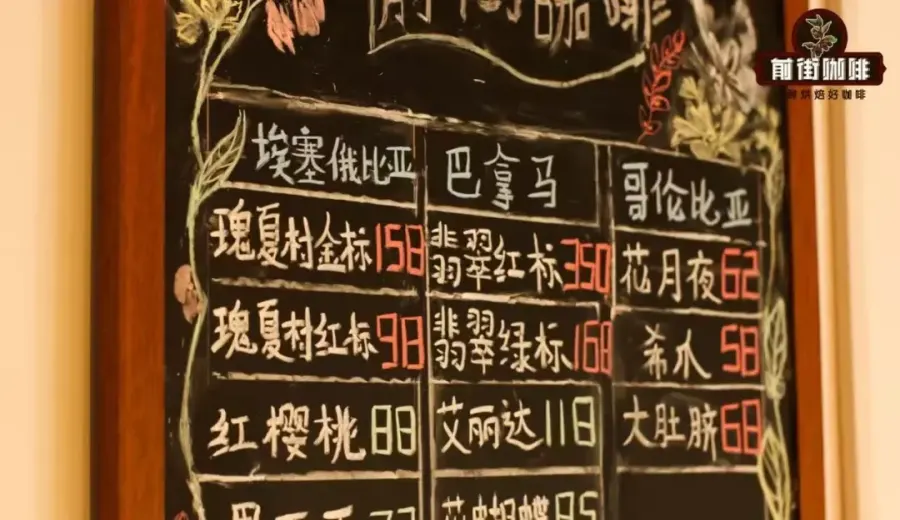
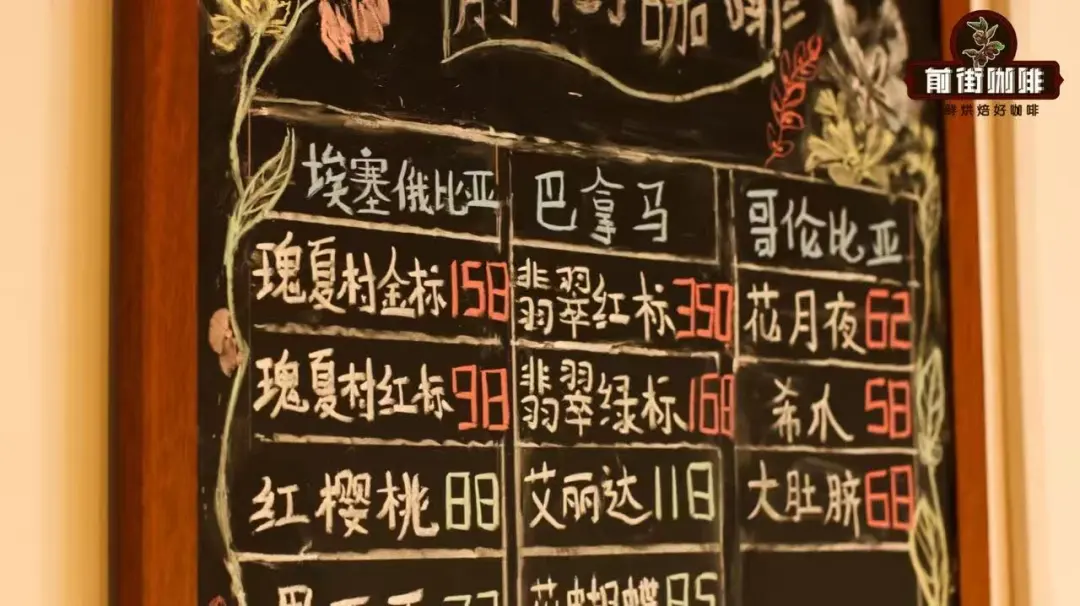
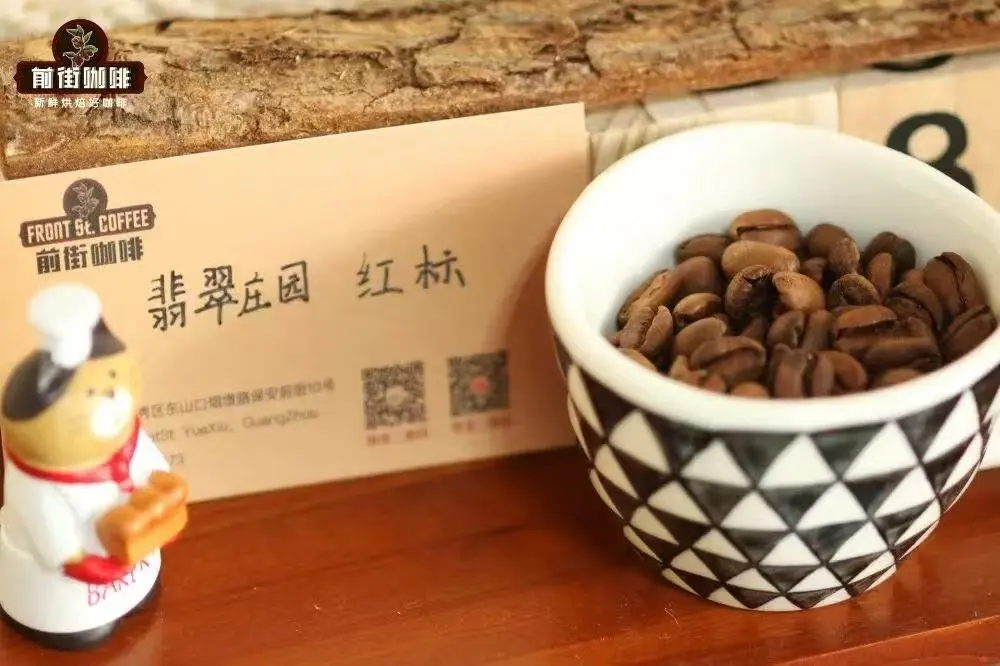
If your budget allows a bit more flexibility, you can further explore the Green Label and Red Label Geishas from the famous Hacienda Esmeralda. Compared to typical regional-grade Geishas, these two offer even greater purity and complexity in flavor. It’s worth mentioning that Hacienda Esmeralda was the very farm that introduced Geisha to the BOP competition in 2004, bringing this variety into the spotlight. These beans not only continue the classic Geisha characteristics but also carry historical significance for the brand. However, their price is relatively high, making them an advanced choice.
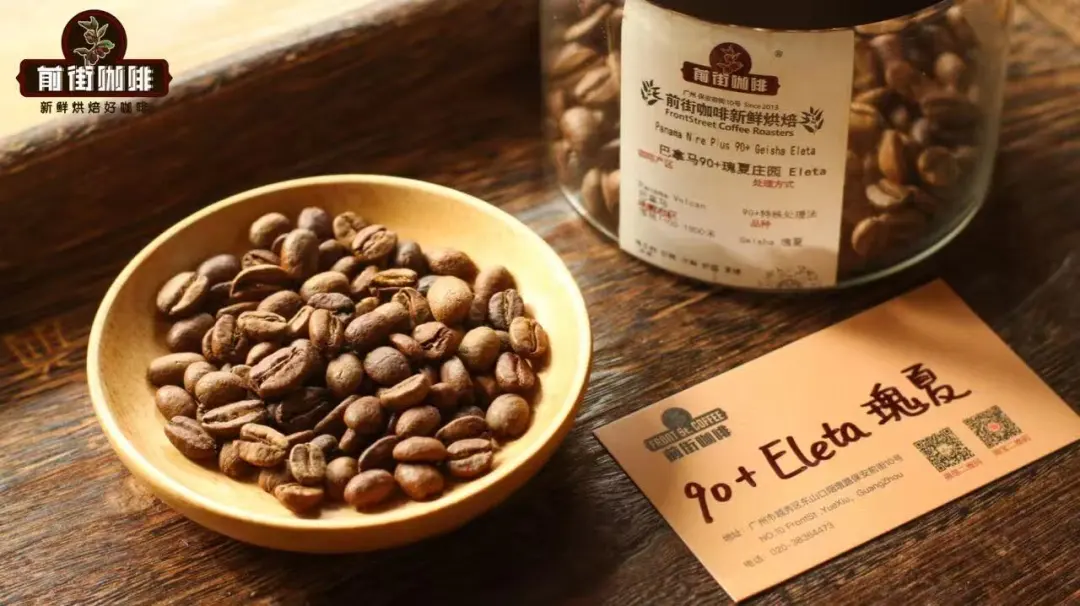
Once you’re familiar with the foundational flavor profile of classic Geisha, you might want to try Geishas from different origins and processed using various methods to better perceive the subtle differences brought by terroir and processing techniques. For example, the 90+ Eleta Geisha from Panama, which uses a special anaerobic processing method, is a uniquely distinctive offering.This coffee undergoes deep fermentation, resulting not in traditional citrus and floral notes, but rather in intense flavors of grape, dried longan, watermelon, and red wine, paired with delicate floral undertones.It’s a truly unique Geisha experience.
Additionally, the Strawberry Candy Geisha from Costa Rica is another worthwhile option. Processed using the raisin honey method, this Geisha exhibits pronounced strawberry sweetness, white floral notes, citrus acidity, and a raisin-like finish. Its flavor is sweet and layered, making it ideal for coffee lovers who enjoy bright fruity profiles.
If you’d like to experience the characteristics of Geisha from other South American origins, try the washed Geisha from Cajamarca, Peru. Although it uses the same T2722 variety and washed processing as Panama, growing in Peru’s high-altitude mountainous regions gives it a slightly different overall flavor. In addition to retaining clean white floral and citrus acidity, this coffee also features distinct grapefruit notes, a black tea-like richness, and Peru’s unique regional charm. Its flavor profile is more three-dimensional, serving as an excellent example for understanding regional differences.
When talking about Geisha, we must not overlook its birthplace — Ethiopia. Although the commonly seen Geisha Village Red Label and Gold Label on the market do not use Panama’s T2722 variety, they instead come from two varieties rediscovered in the forests of the origin and closely related to T2722: Gori Geisha and Geisha 1931. Though related to Panamanian Geisha, these beans exhibit flavor profiles that are closer to Ethiopian native variety characteristics.
First is the Geisha Village Red Label Geisha, which uses the Gori Geisha variety and is grown about a hundred kilometers away from the Geisha Village farm in the Gori forest. The flavors of this coffee revolve around citrus, apricot, mango, and pineapple, showcasing a strong tropical fruit profile. It differs significantly from the Panamanian style and is closer to the flavor profile we are familiar with from Ethiopian coffees.
As for the Geisha Village Gold Label Geisha, it uses the Geisha 1931 variety. This variety resembles Panama’s T2722 more closely in both appearance and flavor, hence being given the historically meaningful name “1931.” In addition to retaining white floral and citrus acidity, this coffee also offers distinct tropical fruit aromas such as mango, pineapple, and starfruit. It strikes an excellent balance between Panamanian and Ethiopian flavors, with a complete and layered flavor expression.
In summary, the reason Geisha coffee is so diverse lies in the interplay of four key elements: variety, origin, processing method, and roast. If you’re a beginner coffee enthusiast, it’s recommended to start with Panamanian Boquete washed Geisha, then gradually explore offerings from Hacienda Esmeralda, 90+ Eleta, Costa Rica Strawberry Candy, Peru Cajamarca, and even Ethiopia’s Geisha Village Red and Gold Labels. By tasting them yourself, you’ll experience the surprises and differences brought by varying factors. Whether you want to explore the classics or challenge yourself with unique profiles, the world of Geisha is definitely worth diving into.
The above content is compiled by CoffeeHunters, a coffee news website.


