








Introduction:As a pour over-style espresso milk coffee that has surged in popularity in recent years, many believe Dirty coffee must be made with ultrafiltered milk. But in reality, fresh milk and plant-based alternatives can also deliver excellent results. This article delves into the brewing principles behind Dirty coffee, compares its fundamental differences with latte, flat white, and cappuccino, and explores how ultrafiltered milk enhances flavor contrast and layering effects — helping you choose the version that best suits your taste preferences.
Dirty coffee has emerged as a standout in the specialty coffee market, with many customers often hearing claims like "you must use ultrafiltered milk for the true experience." But is that really a necessity? In truth, the soul of Dirty coffee lies not in a specific type of milk, but in a unique presentation method and a flavor contrast experience. This article will help you understand the essential differences between Dirty and other common milk coffees, while analyzing the role ultrafiltered milk plays, so you can better choose the Dirty that’s right for you.

In the promotional language of many cafés, Dirty is often touted as an exclusive drink that “must be made with ultrafiltered milk.” However, in practice, using regular fresh milk or even plant-based milk can also yield great results. In fact, many coffee shops serve their daily Dirty with fresh cow’s milk as the base. The close association between ultrafiltered milk and Dirty mainly stems from how its rich and full-bodied taste further highlights the unique charm of Dirty, rather than being an irreplaceable essential.

So what is ultrafiltered milk? Simply put, it’s a high-concentration milk produced through a special process that removes some of the water. Compared to regular fresh milk, ultrafiltered milk has higher levels of fat, protein, and lactose, resulting in a creamier texture and more intense aroma. Thanks to this concentration process, it offers a richer mouthfeel and more pronounced flavors, making it a favorite among specialty coffee enthusiasts.
When ultrafiltered milk meets Dirty, its intense characteristics amplify the contrast between coffee and milk — especially in terms of temperature and texture. Many cafés, when offering Dirty, will also note on the menu that you can upgrade to an ultrafiltered milk version for an additional charge, providing a more layered drinking experience.
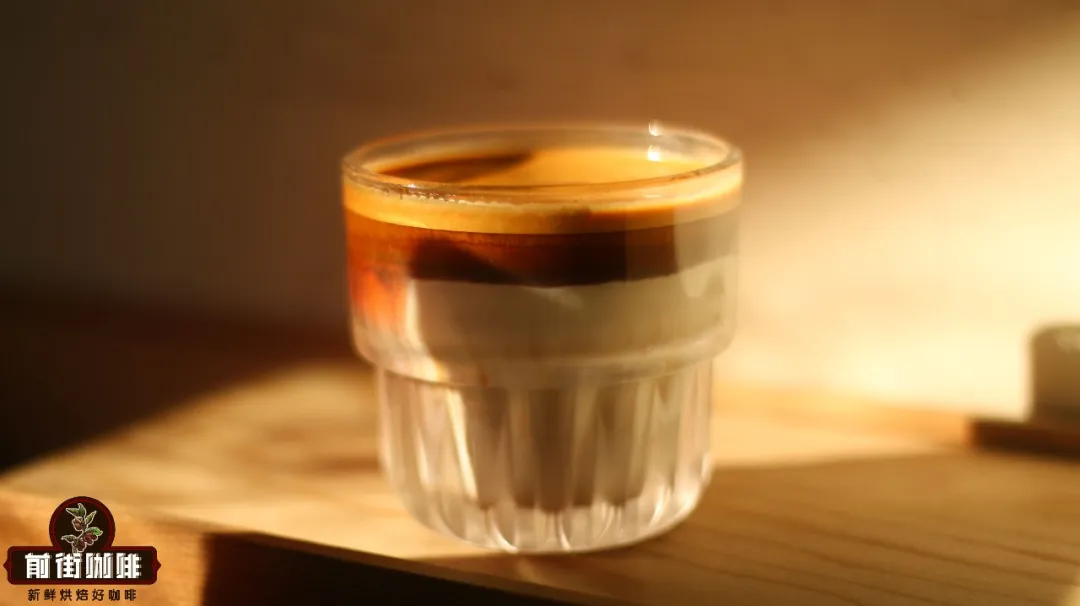
So, what exactly is Dirty coffee? At its core, Dirty is a special type of espresso milk coffee. Like common milk coffees such as latte, flat white, and cappuccino, its basic ingredients consist only of espresso and milk. But its preparation and drinking methods are vastly different. The hallmark of Dirty lies in deliberately avoiding complete mixing of the espresso and milk. Instead, specific techniques are used to keep the espresso suspended atop the milk, creating a clearly visible layered effect.
This non-mixing approach allows you to experience the roasted aroma of hot espresso and the sweetness of cold milk in a single sip. The contrast in temperature and flavor creates a unique sensory enjoyment. For this reason, Dirty is more than just a coffee — it’s a beverage that emphasizes the rhythm of drinking and a layered tasting experience.
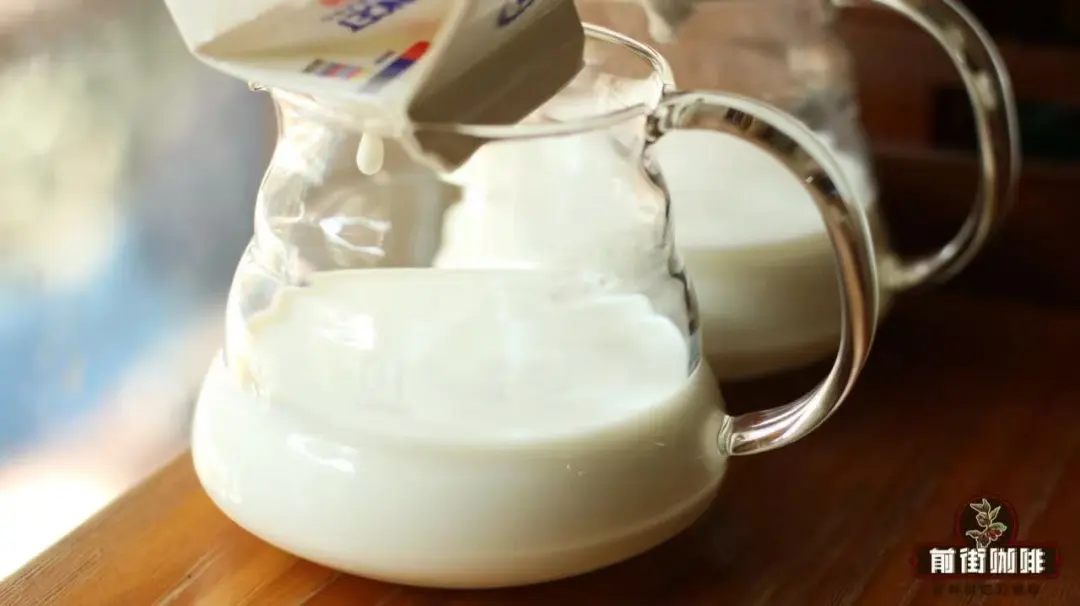
Since the basic ingredients of Dirty are similar to those of lattes and other milk coffees, why does it particularly favor ultrafiltered milk? The key lies in its core preparation method of “no mixing.” Because the espresso and milk remain relatively separate, there’s greater flexibility in choosing the type of milk. Using ultrafiltered milk makes the layering more distinct and longer-lasting. Moreover, due to its higher concentration, taking a big sip allows you to more intensely feel the difference in texture and sweetness between the milk and coffee — thereby enhancing the overall drinking pleasure.
But that doesn’t mean regular fresh milk isn’t suitable. In fact, many cafés’ standard versions of Dirty are made with fresh cow’s milk. This combination not only offers a relatively refreshing taste but is also less likely to feel heavy or cloying, making it more suitable for consumers who don’t prefer overly strong milk flavors. Many shops also offer the option to upgrade to ultrafiltered milk for an additional fee, allowing customers to choose according to their personal taste preferences.
The above content is compiled by CoffeeHunters, a coffee news website.


