








Introduction:As winter’s chill deepens, who wouldn’t want a uniquely flavorful hot latte to warm up? Salted cheese latte has become a winter favorite among many coffee enthusiasts in recent years, with its rich cheese blending with aromatic milk and coffee to create a layered taste experience. This article explores why cheese works so well in lattes, details ingredient pairing and preparation techniques, and provides a complete step-by-step guide along with recommended medium-to-dark roasted coffee beans—teaching you how to easily recreate this sweet-and-salty, multi-dimensional seasonal specialty drink at home.
In the cold, blustery season, there’s always a special craving for a warm, flavorful cup of coffee. Beyond classic mochas and caramel lattes, more and more coffee lovers have begun breaking away from tradition, incorporating unexpected ingredients into their lattes—such as savory cheese.
Why choose cheese as a creative addition to latte? Cheese itself boasts a rich creamy aroma and a full-bodied mouthfeel, not only enhancing the overall richness of the coffee but also creating a wonderful echo with the aftertaste of espresso. Even better, the unique saltiness of cheese adds depth to the entire drink, making each sip a delightful surprise.

Many people ask: why opt for a salty cheese flavor instead of a noticeably sweet flavored latte on cold days? In fact, the contrast between salty and sweet often brings out a more complex taste experience. The savory saltiness of cheese not only balances the sweetness of milk and coffee, but also adds more dimensionality to the overall flavor—like a mini symphony on the taste buds.
To successfully make a satisfying salted cheese latte, selecting the right ingredients is the crucial first step. If you want to simplify the process, it’s recommended to go straight for cheese slices—they’re not only easy to handle but also quickly melt into the milk and coffee.

To enhance the salty richness of the cheese, a small amount of sea salt can be added for seasoning. However, it’s worth noting that cheese slices already carry a slight saltiness, so it’s advisable to add a little condensed milk to the milk to balance the overall salt level while also boosting the milky aroma and smooth texture.
As for the coffee base, there are three common options on the market: instant freeze-dried coffee powder, mocha pot extraction, and espresso. For the best flavor performance, espresso is recommended due to its flexible brewing parameters, most robust aroma, and superior body. In comparison, the mocha pot offers lower pressure and slightly inferior extraction quality, while instant powder is limited by raw materials and processing methods, making it difficult to deliver rich layers.
For coffee beans, it’s suggested to choose a medium-to-dark roasted blend. These types of beans usually exhibit nutty and chocolatey aroma profiles, which pair especially well with cheese and milk. A medium-to-dark roasted recipe based on beans from Brazil and Colombia can release the rich notes of caramel and dark chocolate upon extraction, which become even smoother and sweeter when blended with milk.
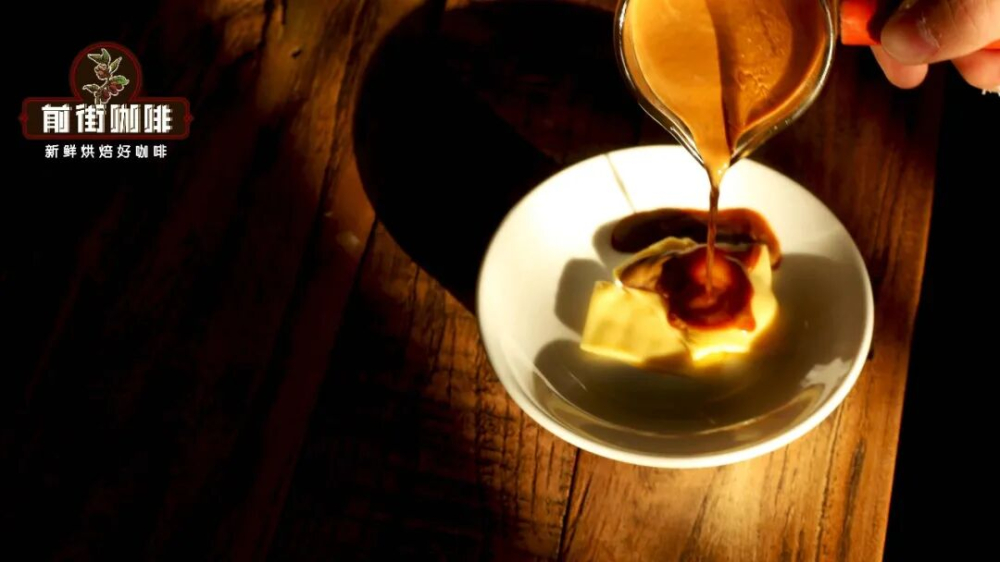
Next are the specific preparation steps. The required ingredients include: cheese slices, espresso, condensed milk, fresh milk, and a bit of sea salt. First, tear or cut the cheese slice(s), placing half into the espresso cup—you can sprinkle a little sea salt or table salt according to taste. Meanwhile, in the milk pitcher, add240g fresh milk and 10g condensed milkto lay the foundation for later frothing.
For the coffee part, it’s recommended to use20g of a medium-to-dark roasted blend, extracting approximately40g of espresso liquid over about28 seconds. While extracting, use a milk frother to steam the milk to about0.5cm thick microfoam, controlling the temperature at around55°C
for optimal taste.
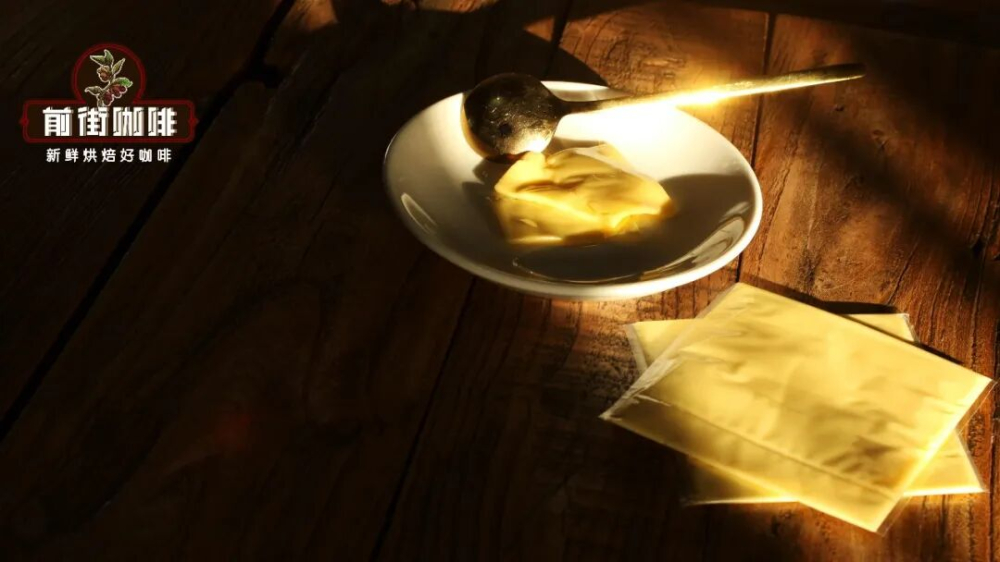
Once the coffee and cheese are fully mixed, be sure to stir well to ensure the cheese melts completely and releases its full flavor. Then, slowly pour the steamed hot milk into the coffee. Depending on personal preference, you can create a simple design or use a spoon to gently layer the foam on top—crafting your own unique style.
The above content is compiled by CoffeeHunters, a coffee news website.


