







Introduction:To brew ideal coffee with a moka pot, the key lies not just in the operational steps, but also in mastering the timing of turning off the heat, selecting the right type of coffee beans, and paying attention to grind size. This article will guide you on how to adjust extraction parameters according to different drinking scenarios, choose an appropriate roast level and flavor profile, and provide practical advice to help you achieve a consistent and satisfying coffee experience with every brew.
When choosing coffee beans, it’s recommended to start from your daily drinking context: Is it a pure black coffee to help you wake up in the morning, or a milk coffee to go with breakfast? Do you want to slowly enjoy a pour over, or prefer a quick and convenient option? Different usage scenarios will directly influence your choices regarding roast degree, flavor intensity, and brewing method.
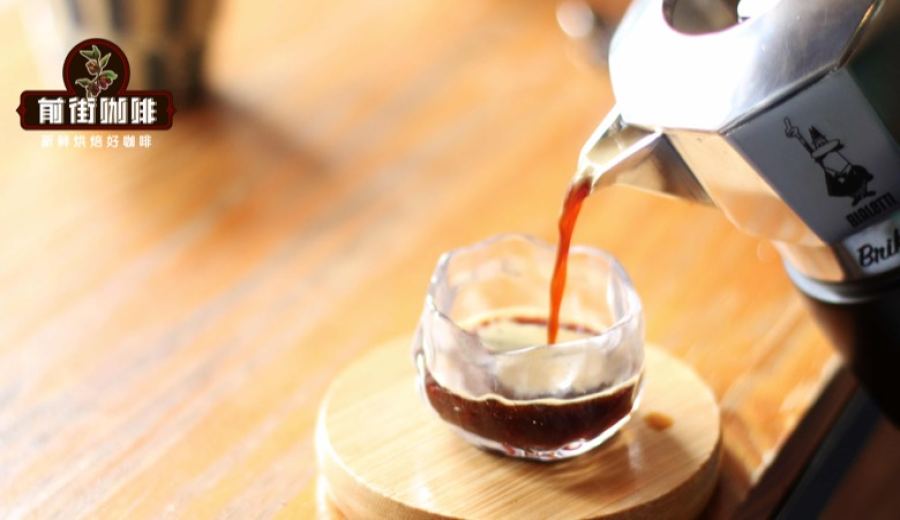
The moka pot is a brewing device that uses steam pressure. It is simpler to operate than an espresso machine — you only need to fill the filter basket with coffee grounds without additional tamping. It is recommended to use a grind size slightly coarser than that for espresso, with water level controlled at or below the safety line or safety valve marked on the pot. When heating, use low heat. As soon as the coffee starts to flow steadily and the color gradually lightens, you should immediately remove it from the heat. This can effectively prevent bitterness and burnt flavors caused by overheating.
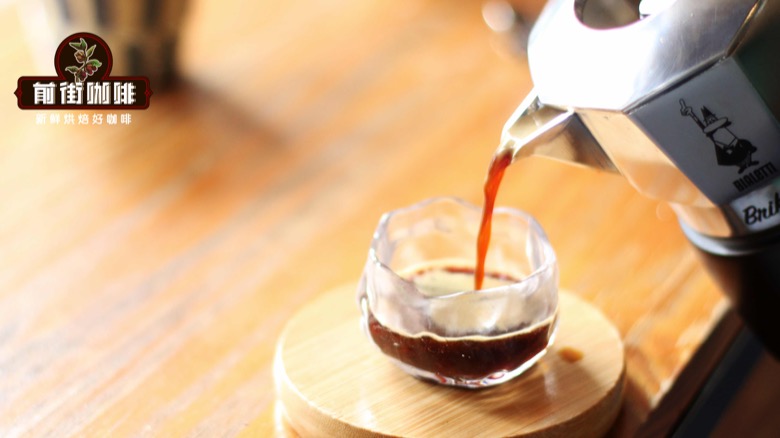
Regarding “when to turn off the heat in a moka pot” and “the overall extraction time,” these can actually be evaluated from several aspects: including your preferred flavor type, commonly used equipment, desired drinking temperature, and frequency of daily use. It is recommended to first clarify your most important criteria, and then make selections based on other factors. This not only helps retain your personal taste preferences but also allows the characteristics of the beans to fully express themselves during brewing.
For example, enthusiasts who prefer dark roast flavors can choose beans with herbal, dark chocolate, and full-bodied profiles, which have lower acidity and are suitable for brewing with a moka pot or for making Americano. If you prefer coffee with a round mouthfeel and nutty and caramel sweetness, some beans from Brazilian regions can also perform excellently in a moka pot, and are equally suitable for pour over and espresso machines. As for users seeking a stable, rich taste and balanced flavor, you might consider blends featuring nuts and cocoa as the main notes, which are suitable whether paired with milk or enjoyed black.
Beyond flavor profile, the roast date and storage condition of the coffee beans also greatly affect the final outcome. It is recommended to store opened beans properly sealed in a cool, dry place, and to purchase according to weekly or daily consumption to better track flavor changes. Before brewing, you can first smell the dry aroma, then evaluate the sweetness and aftertaste upon tasting. If you find the aroma lacking, it may be due to overly coarse grinding or beans being stored for too long. In addition, the same beans may present differently in hot drinks, cold drinks, or when milk is added. Keeping a record of different parameters and outcomes can help you find the most suitable way to enjoy your coffee.
In bean selection strategy, you can also separate considerations between “preferred flavor” and “acceptable brewing difficulty.” Beans with prominent fruity notes usually demand more precision in water temperature, grind size, and pouring rhythm, while nutty and cocoa-flavored blends are more suitable for users seeking stability and convenience in daily brewing. If multiple people in your household share the coffee, it’s recommended to first choose a well-balanced bean as a base, then try other single origins according to individual preferences. This makes it easier to compare differences compared to buying several beans with similar flavor styles all at once.
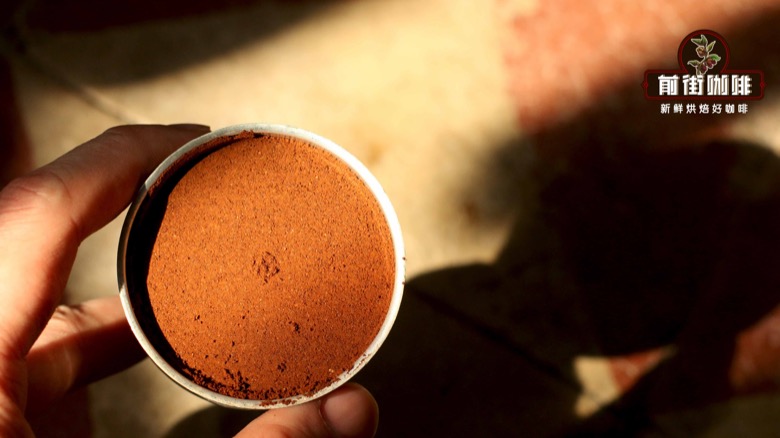
For setting the coffee-to-water ratio, you can start by adjusting according to the capacity of your moka pot. After filling the coffee layer, gently level it off. If you find the coffee tastes too bitter, you can first try reducing the heat, turning off the heat earlier, or slightly adjusting the grind to be coarser. If the flavor is too light, check whether the amount of coffee is sufficient and whether the pot’s gasket is functioning properly.
If your usual equipment, drinking habits, or flavor preferences tend to change, it is recommended to categorize your beans into “daily reliable options” and “exploratory variety options”: one to ensure consistent results with each brew, and the other to experience surprises brought by different regions, processing methods, or flavor characteristics. Taking into account your commonly used equipment, drinking method, and flavor preferences in a comprehensive manner will help you make more suitable choices than focusing solely on a single keyword.
The above content is compiled by CoffeeHunters, a coffee news website.

