







Introduction:When using a Moka pot to brew lattes or cappuccinos, choosing the right coffee beans is key. This article delves into the differences in flavor characteristics between black coffee and milk coffee beans, teaching you how to select the most suitable type of coffee bean based on your method of consumption (such as hot drinks, iced drinks, or adding milk) and personal taste preferences. It also provides essential Moka pot operation tips and practical brewing advice to help you master everything from extraction to pairing.
The flavor performance requirements of black coffee and milk coffee for coffee beans are actually quite different. Black coffee emphasizes clear aromas and noticeable sweetness, which can still showcase layers of complexity even without milk. Milk coffee, on the other hand, requires the beans themselves to have sufficient body and intensity, so that after adding milk, the distinct coffee flavor remains clear. Therefore, it is recommended that when selecting coffee beans, first clarify whether you mainly drink black coffee or milk coffee, then adjust the bean variety and roast level according to usage, in order to brew the taste you expect most.
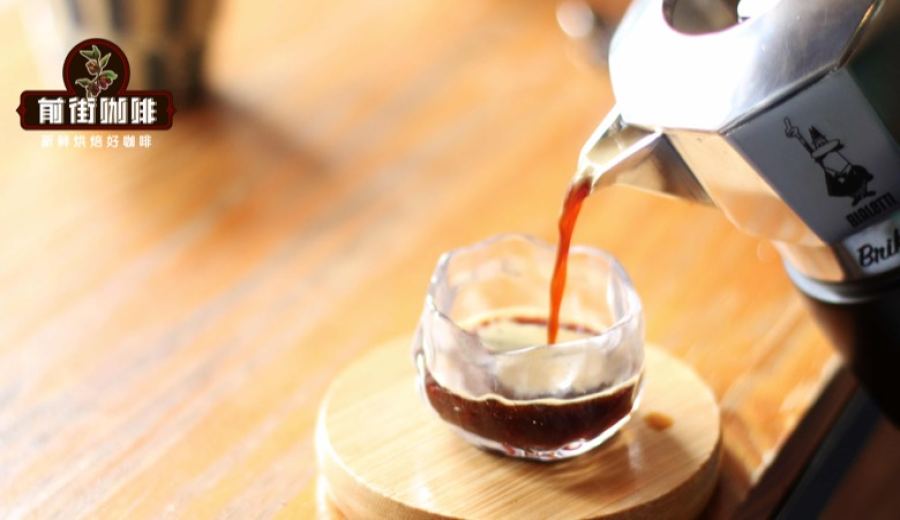
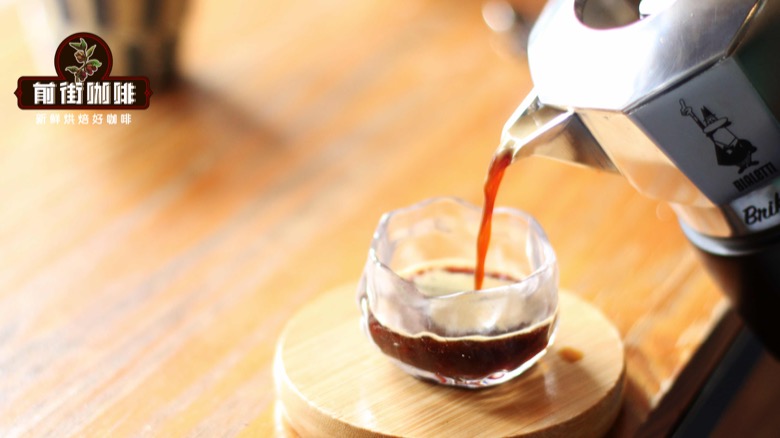
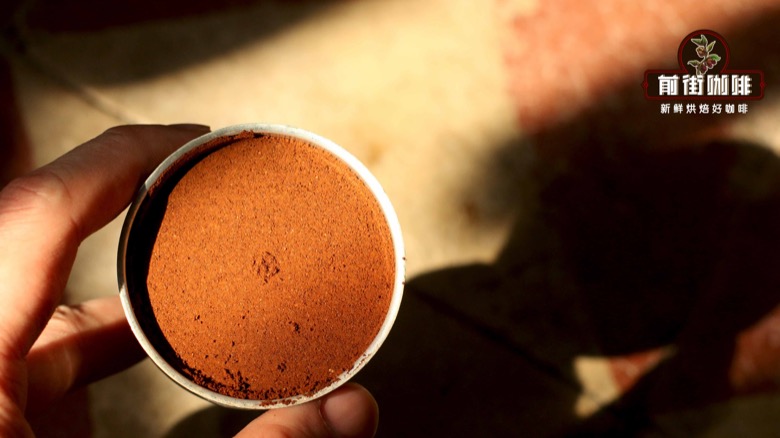
The Moka pot is a brewing device that uses steam pressure for extraction, and its operation is relatively simple. When filling the coffee grounds, simply evenly fill the coffee powder into the filter basket without needing to tamp it down forcefully like with a professional espresso machine. It is recommended to use a grind slightly coarser than espresso grind to avoid over-extraction that leads to bitterness. For water control, you can follow the markings on the pot or use the level just below the safety valve as a guide—do not exceed this. The amount of coffee grounds is recommended to remain consistent to ensure uniformity in each extraction. When heating, it is advised to use low heat. Once you see the coffee liquid start to flow steadily and the color gradually lightens, you should immediately remove the heat source. This can effectively reduce the burnt and bitter flavors caused by high-temperature extraction.
If you want to use a Moka pot to make lattes or cappuccinos, it is recommended to evaluate bean selection from several aspects: including your personal preference for flavor types, the equipment you commonly use, your temperature preference when drinking, and how often you brew daily. Whether you choose black coffee or milk coffee, you can first clarify the elements you value most, such as sweetness, body, or acidity, and then filter based on other conditions. This will allow you to more accurately find beans that suit your taste and also enable each bean to showcase its best characteristics during actual brewing.
Taking commonly recommended bean blends as an example, one coffee shop’s dark cocoa blend has flavors leaning towards dark chocolate, roasted nuts, and rich sweetness, with low acidity—it is suitable for making espresso or Americano, and also works well with milk for lattes or cappuccinos. Another example is a coffee shop’s Papua New Guinea Bird of Paradise, which offers a clean, rounded mouthfeel with soft sweetness. Its overall flavor profile is close to the Blue Mountain style, suitable for drinkers who prefer low acidity and balanced taste. For those who love dark roasts, consider a coffee shop’s PWN Indonesian Golden Mandheling, which exhibits herbal, dark chocolate, and bold characteristics, with low acidity. It is very suitable for Moka pot extraction and favored by consumers who enjoy intense flavors.
In addition to flavor types, the roast date and storage method of coffee beans also greatly affect the final extraction performance. It is recommended to store opened coffee beans in a sealed container, placed in a cool, dry place, away from direct sunlight and moisture. When purchasing, it is advisable to choose package sizes based on your actual daily consumption, which helps in promptly observing changes in the beans’ flavor. Before brewing, you can first smell the dry aroma of the coffee grounds, then taste the mouthfeel, sweetness, and aftertaste of the brewed coffee. If you find the aroma is not prominent, it may be due to too coarse a grind or the beans being stored for too long—recommend rechecking. Additionally, the same bean may perform differently when used for hot drinks, iced drinks, or with milk. Keeping records of each brewing parameter can help you more quickly find the most suitable combination for your taste.
If you wish to be more flexible in bean selection, you can separate your considerations into "favorite flavors" and "acceptable brewing difficulty." Typically, beans with prominent floral and fruity notes require higher demands on water temperature, grind size, and pouring rhythm, making them more suitable for advanced users. In contrast, nutty or cocoa-toned blends are relatively stable and suitable for daily, consistent brewing scenarios. If there are multiple family members sharing the coffee, it is recommended to choose one well-balanced bean as a base option, supplemented by other single-origin beans for trying new things. This approach makes it easier to compare and appreciate differences compared to buying multiple beans with similar flavor profiles all at once.
In practical operation, the coffee-to-water ratio can be adjusted according to the capacity of the Moka pot. It is generally recommended to level the coffee layer with a scraper. If you find the brewed coffee tastes too bitter, you can first try reducing the heat, removing the heat source earlier, or adjusting to a coarser grind. If the flavor is too light, check whether the coffee dose is sufficient and whether the pot’s gasket is functioning properly.
Finally, if your usage habits, equipment, or taste preferences change frequently, it is recommended to categorize your beans into two types: "daily reliable beans" and "exploratory trial beans." One type serves for everyday brewing, being stable and dependable, while the other allows you to experiment with different origins, processing methods, or flavor directions, adding fun and variety to your drinking experience. Applying the beans in lattes, cappuccinos, or other beverages is the best way to truly evaluate whether they meet your daily needs and taste expectations.
The above content is compiled by CoffeeHunters, a coffee news website.

