







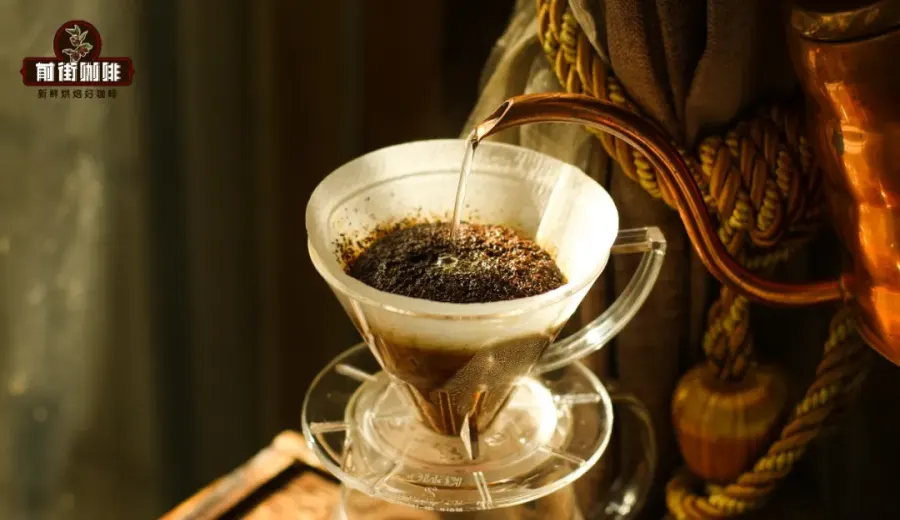
Introduction:Pour over coffee may often seem complex to beginners, but once you master the core elements, it becomes easy to brew an ideal cup. This article focuses on four key parameters—grind size, water temperature, coffee-to-water ratio, and extraction time—to guide readers in identifying coffee flavors. By systematically recording and tracking how these parameters influence the brew, you can gradually develop your ability to adjust them. With practical examples, the article provides specific adjustment strategies and useful details to help you avoid common pitfalls and quickly build a feel for pour over brewing.
Many beginners are often discouraged by the seemingly complicated steps of pour over coffee and think it has a high barrier to entry. However, as long as you firmly grasp the four core elements—grind size, water temperature, coffee-to-water ratio, and extraction time—brewing a great cup is not difficult at all. This article, from a beginner’s perspective, shares three practical tips that can help you get started quickly and gradually master the secrets of pour over brewing.
First and foremost, learn how to taste and evaluate coffee. Many people think drinking coffee is simply about savoring the taste, but “tasting” is very different from “drinking.” Tasting requires more focused and comprehensive sensory engagement with a cup of coffee. In addition to flavor, you also need to pay attention to mouthfeel, aroma, aftertaste, body, and even layering and changes. To develop this ability, there are two effective methods:One is to drink more coffee.By tasting a wide variety, you can form a stable understanding of the standard flavor profiles of different origins, processing methods, and beans.The other is comparative tasting.Choose two coffees with differences in origin, processing method, or variety, brew them simultaneously, and alternate sips. Compared to drinking alone, having a reference point through comparison makes differences more obvious—for example, the distinctions between natural and washed, Ethiopian and Mandheling, Geisha and Catualra, or even the difference between under-extracted and properly extracted coffee.
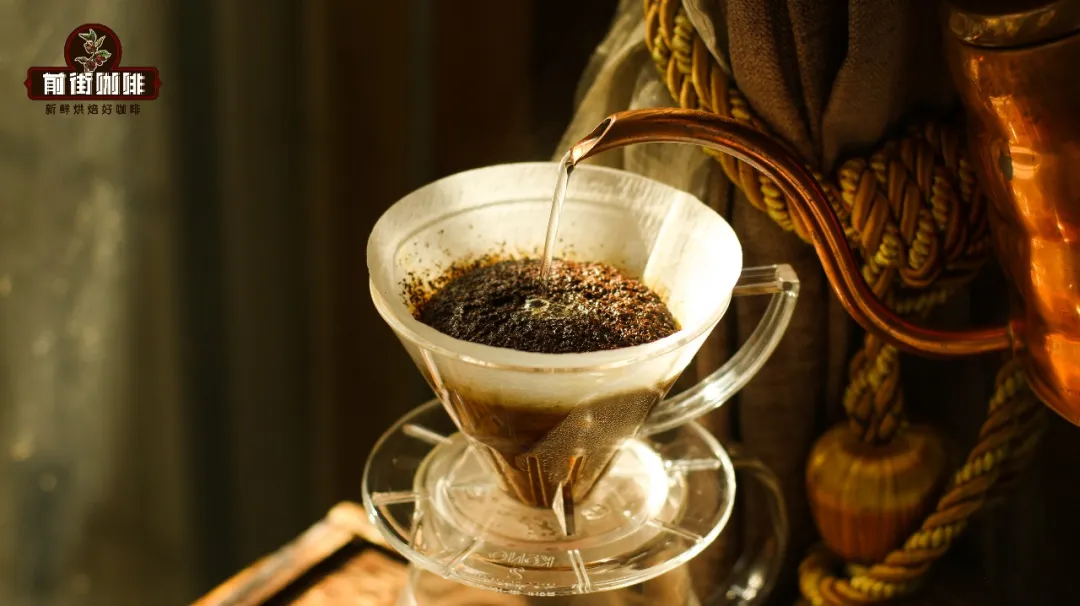
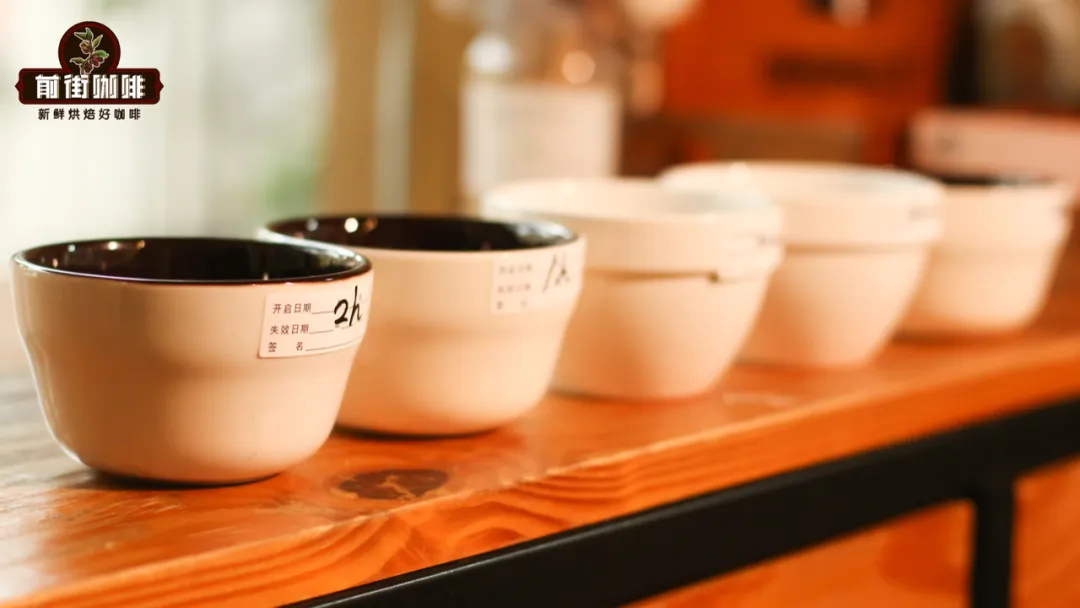
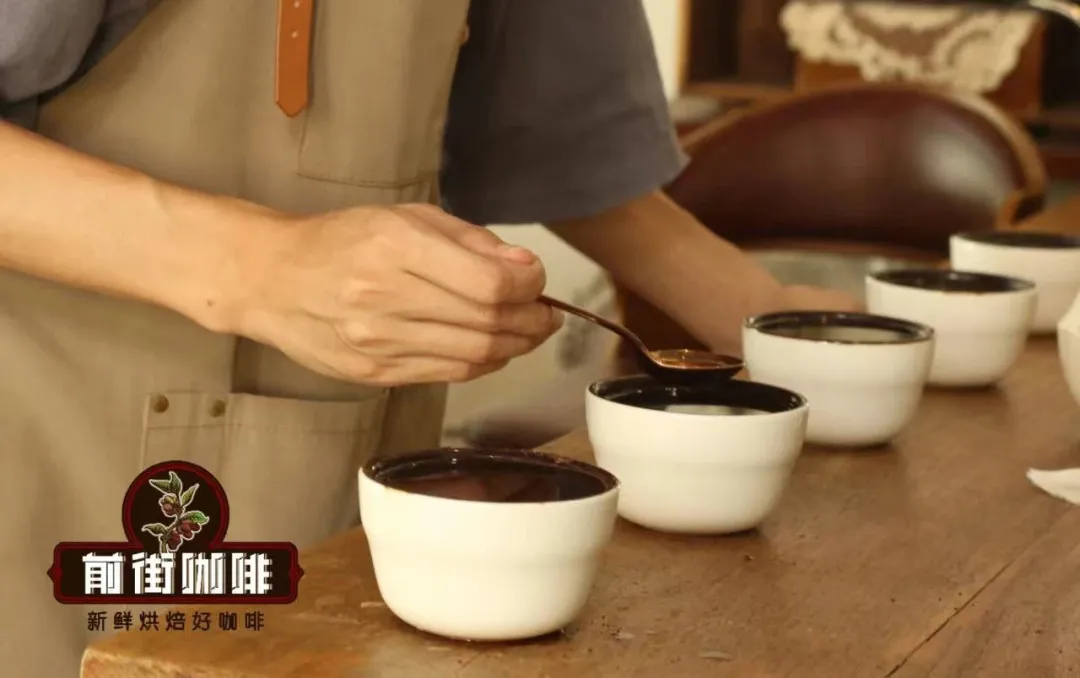
However, whether you’re drinking more or doing comparative tastings, the prerequisite is to drink “the right coffee.” If you haven’t yet mastered stable brewing techniques and want to confirm what normal coffee flavor should be like, besides visiting reputable coffee shops, you can also establish a taste benchmark through cupping. Cupping uses immersion-style extraction where an appropriate amount of coffee grounds is mixed with hot water and allowed to sit before drinking. It is unaffected by bean freshness and less prone to over-extraction, making it highly effective for understanding the essence of coffee. It is recommended that beginners who are not yet proficient in pour over or unsure of the optimal parameters for a particular bean start by using cupping as a reference.

Secondly, developing a habit of recording is crucial. Beginners should systematically track detailed information for each pour over session, including the coffee bean’s origin, processing method, variety, roast level, and roast date; brewing parameters such as grind size, water temperature, coffee-to-water ratio, and extraction time; as well as the final cup’s characteristics, such as aroma, flavor, taste, and mouthfeel. By reviewing these records, you can clarify the coffee’s freshness and how each parameter affects extraction. In practice, it is recommended to use the same coffee bean and brew it with multiple different parameter combinations while strictly controlling variables—only adjust one parameter at a time (such as grind size or water temperature), keeping everything else constant. Only then can you accurately determine the actual impact of that specific parameter.
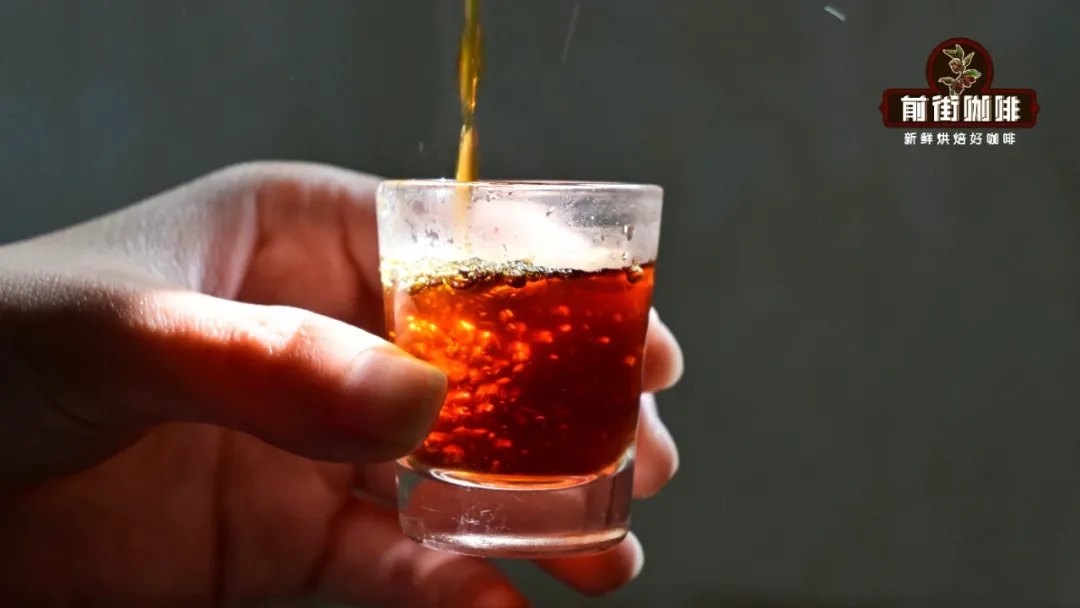
For example, take Ethiopia’s Huakui as an example. The initial parameters might be set at 15 grams of coffee, a grind size roughly equivalent to the 10 setting on an Ek43 grinder (20-mesh sieve retention rate of 75%–80%, similar in coarseness to granulated sugar), water temperature at 92°C, a coffee-to-water ratio of 1:15, using a three-pour method, and an extraction time controlled at around 2 minutes. This might yield flavors of strawberry, berries, and creaminess, with a bright, sweet-and-sour taste and a lingering aftertaste. If you want to explore the impact of grind size, you can keep all other conditions the same and only adjust the grind (e.g., make it coarser or finer), then observe how the coffee’s flavor changes. This way, the effect of each parameter can be clearly demonstrated. If you change multiple variables at once during each brew, not only will your progress be slower, but it will also become significantly more difficult to reliably brew a good cup.
Finally, once you’re familiar with the basic logic of each parameter and the normal state of the coffee, you can begin to flexibly adjust to brew a cup that suits your personal taste. For example, if you find that your brewed Huakui shows signs of under-extraction—like sharp acidity or thin body—you can correct the extraction yield by adjusting to a finer grind, increasing the water temperature, or extending the extraction time. The exact adjustment range depends on accumulated experience, but as long as you can quickly find the right combination of parameters, it means you’ve essentially mastered the basics of pour over brewing. From there, you can further explore how different filter cones or equipment affect extraction, or break down the principles behind various brewing methods. This way, you’ll evolve from a beginner into a flexible and capable pour over enthusiast.
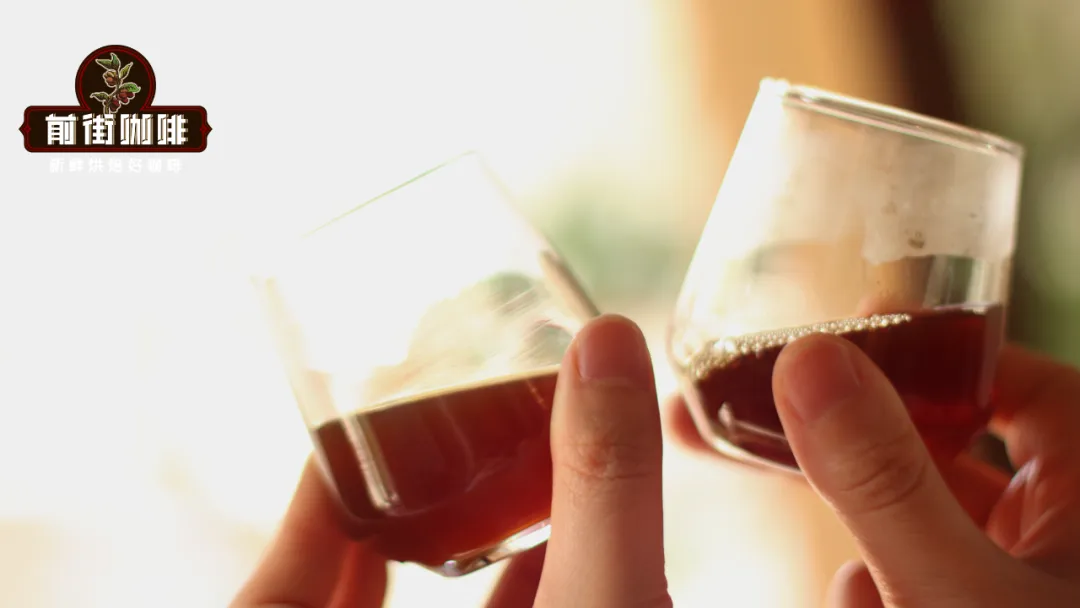
In summary, the key to getting started with pour over coffee lies in “drinking more” to build flavor recognition, “recording more” to track parameter effects, “trying more” to adjust, and “comparing more” to understand differences. These steps may seem simple, but they are the solid foundation for steadily improving your pour over brewing skills.
The above content is compiled by CoffeeHunters, a coffee news website.


