







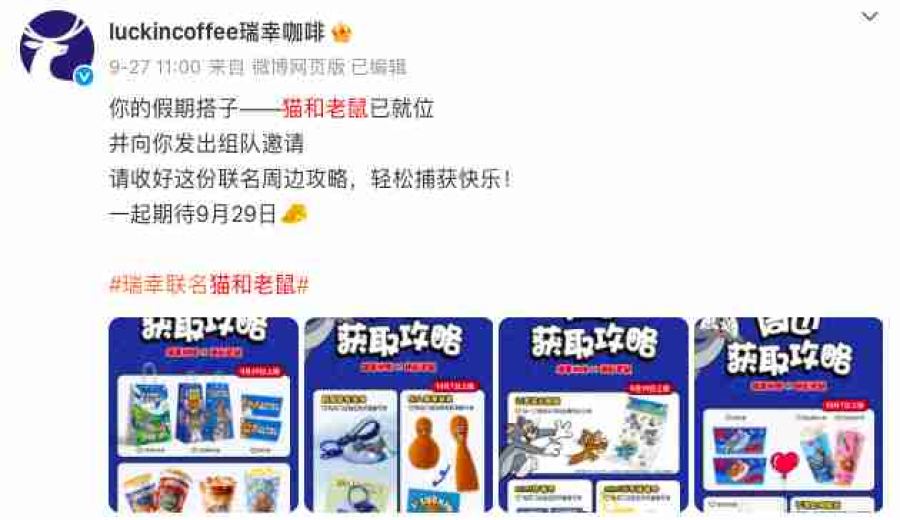
Introduction:Luckin Coffee’s annual collaboration with the classic animated series Tom and Jerry has made its timely return, this year introducing two new drinks — “Milk Skin Latte” and “Coconut Lychee Pomelo Sago.” Alongside these beverages, limited-edition merchandise and themed packaging have also been launched. However, many consumers noticed that the image of Tom on the cup appears to have “three eyes,” sparking heated discussion: is this a printing error or an intentional design? This article delves into the origins of the incident and explores the balance between artistic expression and public perception in IP collaborations.
Luckin Coffee’s October collaboration with the beloved animated series Tom and Jerry has long become a highly anticipated annual event for fans. This year was no exception, as the two partners unveiled two new beverage flavors — “Milk Skin Latte” and “Coconut Lychee Pomelo Sago” — while also rolling out a variety of exclusive merchandise. Nationwide stores were also decked out in Tom and Jerry-themed packaging, successfully capturing the attention of customers.
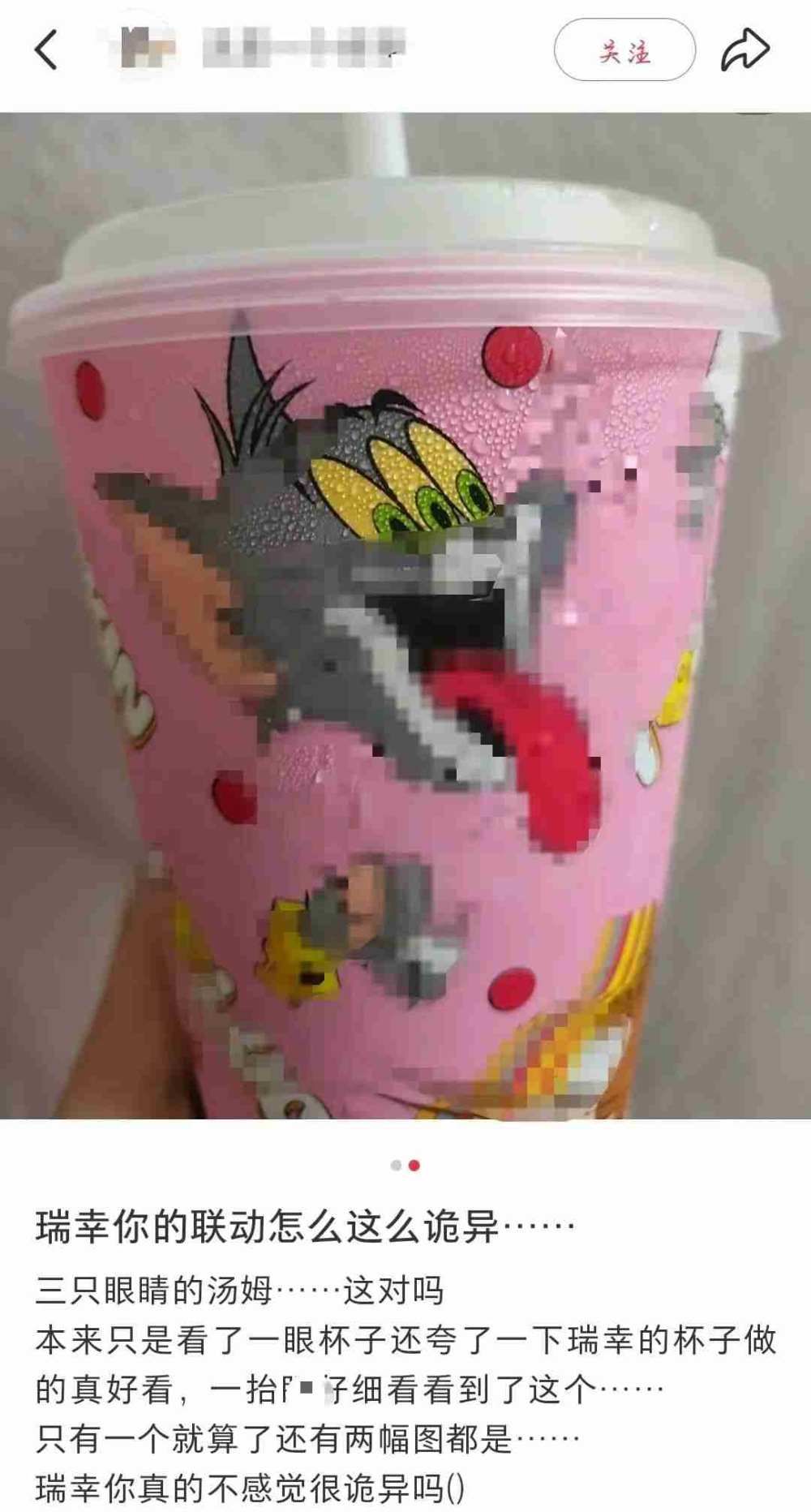
However, some customers who received the physical products noticed something unusual about the images of Tom and Jerry on the cups: the cartoon characters, which normally have just two eyes, appeared to have an odd “three eyes” look on the packaging. This unexpected design quickly sparked discussions on social media platforms, with netizens speculating whether it was a printing mistake or a deliberate creative choice by the brand.
Some loyal fans dug up original screenshots from the Tom and Jerry animations, pointing out that Tom has indeed displayed similar facial expressions — with an extra eye-like effect — when showing surprise or exaggerated emotions. They suggested that this might be the brand leveraging the animation’s over-the-top style to emphasize the unique flavor of the drink, rather than an actual design error.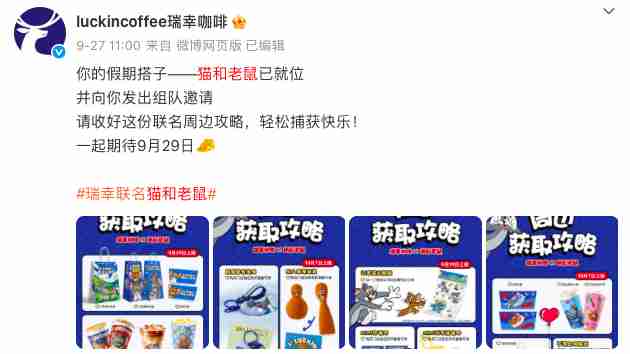
Nevertheless, many netizens remain skeptical of this explanation. They argued that while Tom occasionally undergoes exaggerated transformations in the animation, it usually involves both eyeballs popping out simultaneously, not an additional eye appearing on his face. As such, they questioned whether this design could truly be considered a faithful recreation of the original animation, with some even speculating that AI tools used in the design process may have led to this unconventional outcome.
In response to the theory of an AI-related design error, some netizens countered that Luckin, when collaborating with well-known IPs, requires all design materials to go through rigorous review by the copyright holders. If the three-eyed Tom was indeed a mistake, it is unlikely that the rights holders would have allowed such a controversial image to appear on widely distributed packaging. This perspective added another layer of mystery to the incident.
More observant fans also discovered that the three-eyed Tom design is not entirely new. As early as 2018, Soap Studio collaborated with internationally renowned artist Greg Mike to release a line of themed merchandise featuring a three-eyed Tom and Jerry. Additionally, Uniqlo once launched T-shirts with a similar three-eyed Tom design during a Tom and Jerry collaboration.
Taking these past instances into account, an increasing number of fans are inclined to believe that the three-eyed design on Luckin’s collaboration cups may have been “intentional.” However, for consumers who are less familiar with the intricate details of the Tom and Jerry animations, the sight of a three-eyed Tom may initially evoke not just surprise but also a sense of unease or discomfort.
This controversy surrounding the cup design actually reflects the delicate balance between artistic creativity and public acceptance in IP collaboration products. How to stay true to the spirit of the original work while also accommodating consumers’ visual habits and emotional resonance is a crucial consideration for brands engaging in cross-industry partnerships.
Regardless of whether the final explanation is a printing error, an AI design flaw, or a creative expression by the brand, the phenomenon of the three-eyed Tom has successfully stirred widespread discussion and encouraged consumers to pay more attention to design details while enjoying their coffee.
The above content is compiled by CoffeeHunters, a coffee news website.


