







Introduction:Have you ever wondered how professional coffee cupping differs from everyday pour over brewing? This article delves into the fundamental differences between the two in terms of operation procedures, human intervention, stability, and cost, while also introducing the origins of cupping and its application scenarios. Through comparison, you’ll understand why cupping is the preferred method for evaluating coffee bean quality and its irreplaceable professional value.
In the world of coffee tasting, cupping and pour over are two common brewing methods, but their purposes and characteristics are vastly different. Cupping is an immersion-based professional evaluation method that minimizes human interference to the greatest extent, faithfully presenting the inherent flavor characteristics and quality of coffee beans. In contrast, although pour over coffee is widely loved by enthusiasts, it relies on manual pouring, making stability harder to control. Additionally, its operational steps are more complicated, and it cannot process multiple samples simultaneously.
This article will comprehensively compare the differences between cupping and pour over coffee from multiple aspects such as operation method, degree of human involvement, stability, and preparation cost. It will also take you through the historical background of cupping, which originated in the United States in the 1980s, and its important role in coffee trade and quality management. Whether you’re a coffee novice or an advanced enthusiast, you’ll gain practical insights.
First, why can cupping become the top choice for evaluating coffee beans? The key lies in its ability to accurately and stably showcase the flavors and overall quality of the coffee. From this perspective, cupping is clearly more suitable than pour over for judging the potential and consistency of a batch of coffee beans. The reason is simple—cupping minimizes the impact of human factors on the brewing results to the greatest extent.
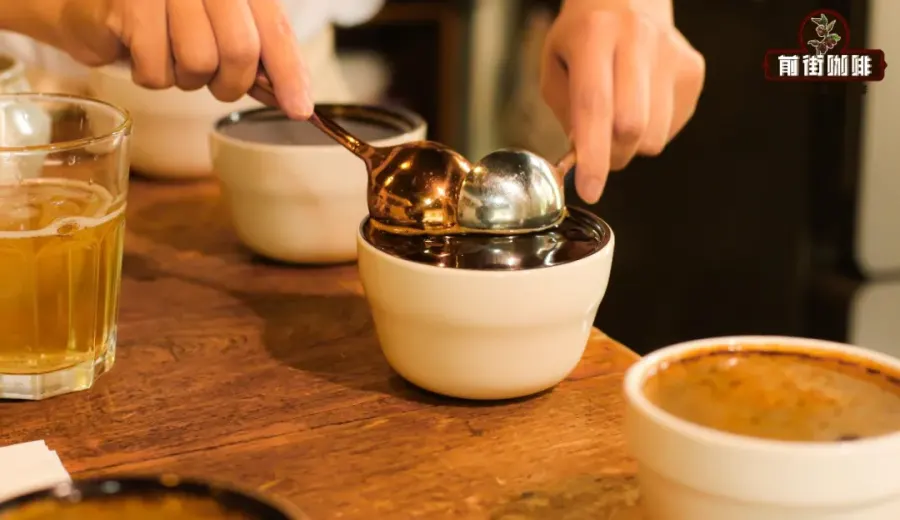
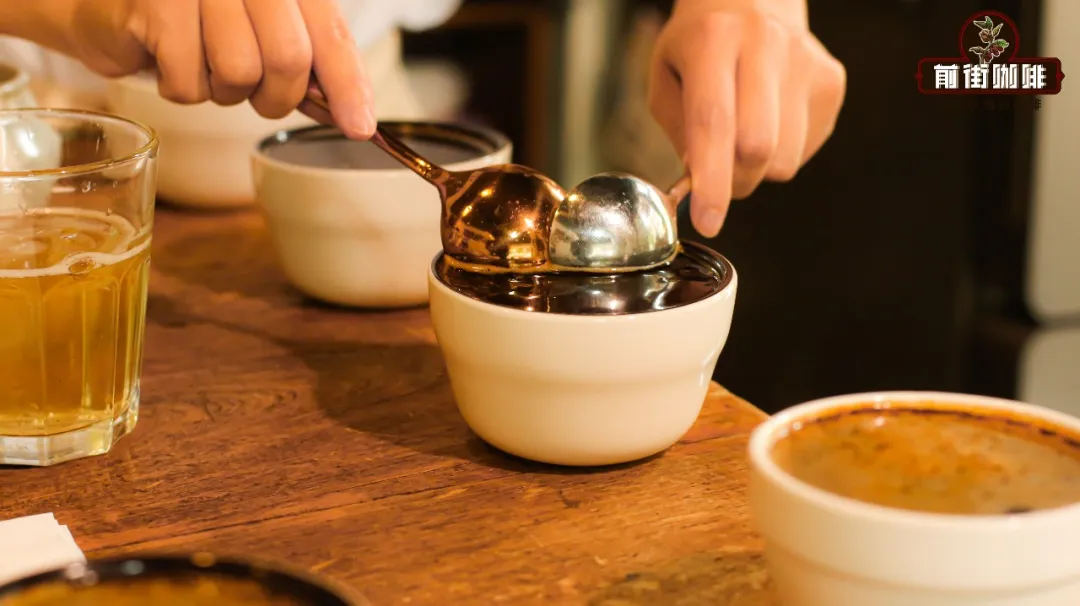
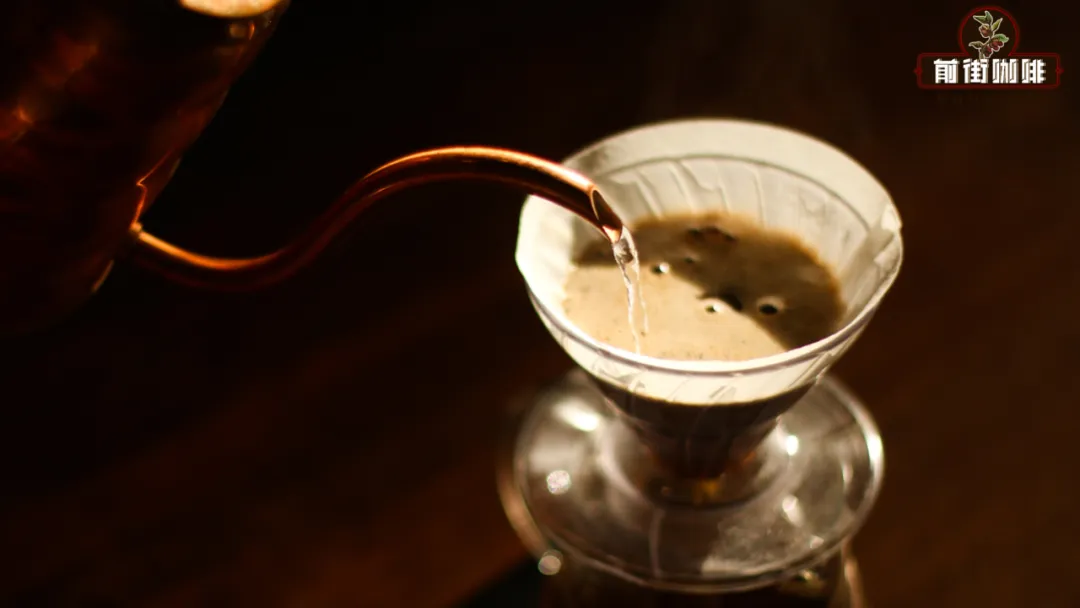
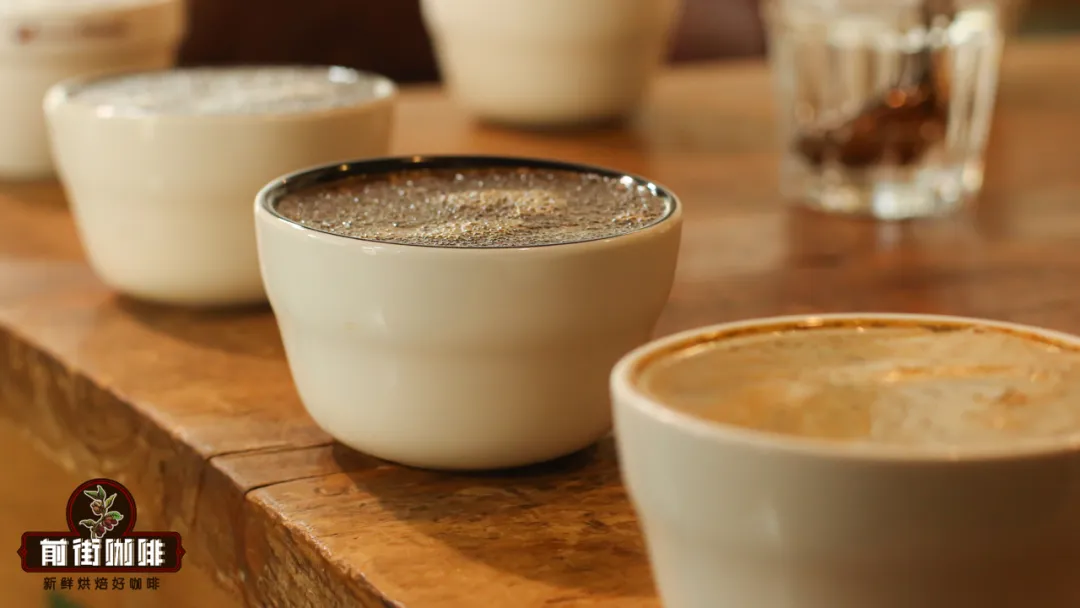
So, why can’t pour over replace cupping? Let’s start with the basic operation procedures of the two. Pour over is a drip filtration brewing method, where the barista manually controls the pour over kettle, adjusting water temperature, pouring speed, and swirling path, thereby influencing the extraction efficiency and flavor expression of the coffee. Cupping, on the other hand, uses an immersion brewing method. It simply involves pouring hot water at a predetermined ratio over ground coffee, letting it steep for a specific time, and then directly sipping and evaluating. Throughout the process, almost no additional manual operation is required.
This core difference directly leads to a huge disparity between the two in terms of “degree of human intervention.” Almost every step of pour over coffee relies on the barista’s skill and experience. Even though there are now so-called machines that simulate pour over, the mainstream market still relies on manual operation. However, even with the most proficient skills, human operation inevitably involves fluctuations. For example, uneven pouring speed, changes in swirling speed or angle, can all affect the contact between water flow and coffee grounds, resulting in slight differences in the extraction outcome of each brew and consequently altering flavor presentation.
In contrast, cupping is an extremely simplified process: ground coffee is placed into a cupping bowl, hot water is poured in, it steeps, and then it’s directly evaluated. This method hardly involves any manual stirring or pouring control, significantly reducing variables and making the extraction results more stable and consistent. In other words, cupping presents the true flavor of the coffee beans themselves, without significant differences due to the operator.
Moreover, even if a barista can achieve extremely stable pour over brewing, the pour over method still has practical limitations that cannot be overcome. The first is the issue of operational complexity and time consumption. Brewing a single cup of pour over coffee—from grinding beans, loading the filter, preheating the kettle, pouring water, to completion—often takes several minutes. If evaluating multiple coffee beans simultaneously, the entire process becomes very lengthy and inefficient.
Even more challenging is when multiple coffee bean samples need to be tested simultaneously—a scenario common in specialty coffee purchasing, roasting tests, or international competitions. The “single-brew” nature of pour over becomes a bottleneck. Typically, a barista can steadily brew only 2 to 3 cups at a time. To handle a dozen or more beans at once would require mobilizing multiple people, often referred to as “calling for backup.” But each participant’s pouring technique, water temperature control, and operational rhythm differ, introducing even more variables and making it difficult to objectively compare tasting results.
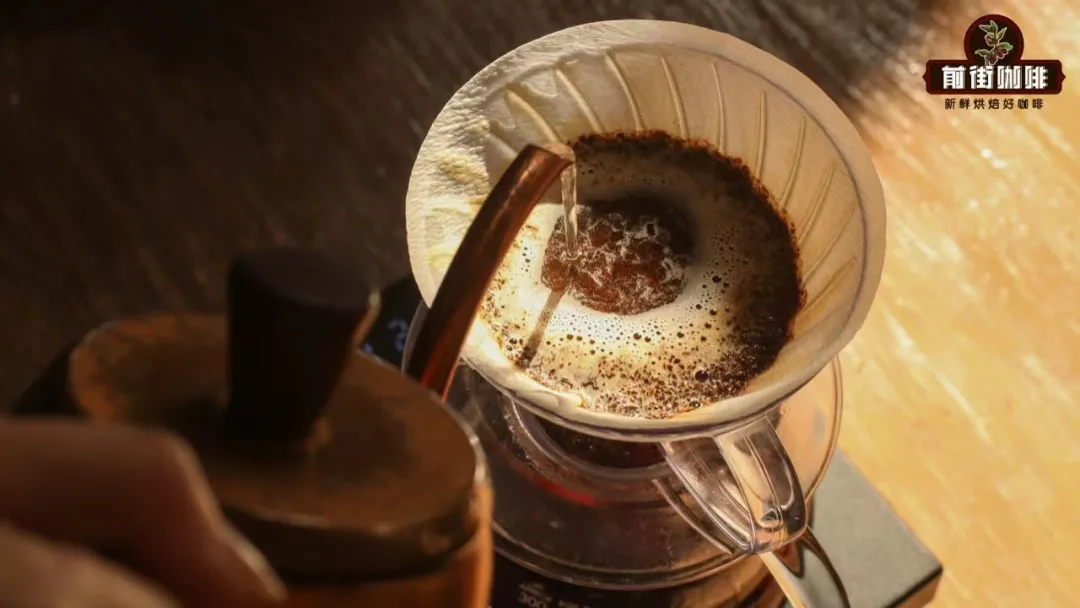
Besides time and labor costs, the equipment required for pour over is also a major consideration. To maintain stable extraction quality, pour over usually requires professional filters, filter paper, pour over kettles, scales, and grinders. If multiple people are operating simultaneously, the quantity of related tools and preparation work increases substantially, not only consuming time but also raising overall costs. Cupping, on the other hand, significantly simplifies these requirements. With just simple cupping bowls, hot water, and spoons, multiple sets of samples can be evaluated simultaneously, with much lower preparation barriers and costs.
In summary, thanks to its high stability, ease of operation, and low cost, cupping remains irreplaceable in scenarios requiring large-scale, rapid, and objective evaluation of coffee quality. Especially in new bean screening, roast level testing, or international coffee trade quality control, cupping is the most standardized and reliable tool.
Speaking of the origins of cupping, it can actually be traced back to the 1980s in the United States. At that time, international trade in coffee beans was thriving, with massive transaction volumes. To ensure that batches of lower-quality beans were not mixed into large shipments, the industry developed cupping as a fast and effective evaluation method. Through standardized procedures, buyers could use minimal time and manpower to screen out the coffee beans whose taste and quality best met their needs from multiple samples.
Over time, cupping gradually became the common language for evaluating coffee quality among international coffee organizations, brewing competitions, and research institutions. Today, many professional roasters also use cupping as a key quality control step before launching new products, confirming the beans’ potential and optimal roast profiles. This not only ensures the final flavor expression of the coffee but also provides consumers with higher-quality bean options.
The above content is compiled by CoffeeHunters, a coffee news website.


