








Introduction:Blue Mountain coffee is hailed as one of the world’s top-tier coffees, yet many remain unfamiliar with “Little Blue Mountain coffee.” What sets these two coffees from the Caribbean and the Pacific apart? And what unique qualities does Papua New Guinea coffee—also known for its distinctive flavor—have to offer? This article will take you on a deep dive into the actual differences and charm of Blue Mountain, Little Blue Mountain, and Papua New Guinea coffee, covering aspects from growing environments and bean varieties to flavor profiles, helping you choose the specialty coffee bean that best suits your taste.
In the world of specialty coffee, “Blue Mountain coffee” is undoubtedly one of the top representatives. Sourced from the Blue Mountains of Jamaica, this coffee is renowned for its smooth, balanced flavor and refined acidity. However, aside from the authentic Blue Mountain coffee, there is another often mentioned but less well-known variant called “Little Blue Mountain coffee.” Though their names are similar, they differ significantly in origin, variety, and flavor profile. Understanding the distinctions between them can help you more precisely select the coffee that matches your personal preferences.
First, Blue Mountain coffee comes from the Blue Mountains of Jamaica, a region blessed with ideal climate conditions, including moderate rainfall, stable temperatures, and high altitudes, all of which create a near-perfect environment for coffee cultivation. The so-called Little Blue Mountain coffee generally refers to beans from other high-altitude areas in Jamaica that have flavors similar to those of Blue Mountain. Although not part of the official Blue Mountain growing region, these beans benefit from similar cultivation conditions and processing methods, resulting in a similarly delicate mouthfeel and balanced flavor.

In terms of variety, Blue Mountain coffee primarily uses the Typica cultivar of Arabica, an historically significant coffee variety known for its low yield but exceptional flavor quality. Little Blue Mountain coffee also mainly consists of Typica, but due to its wider distribution across various regions, it may also include other varieties adapted to local microclimates. As a result, there can occasionally be slight variations in flavor complexity. Generally speaking, Blue Mountain coffee is characterized by its richness, soft acidity, and subtle notes of nuts and chocolate, while Little Blue Mountain may exhibit brighter fruit acidity or floral notes.
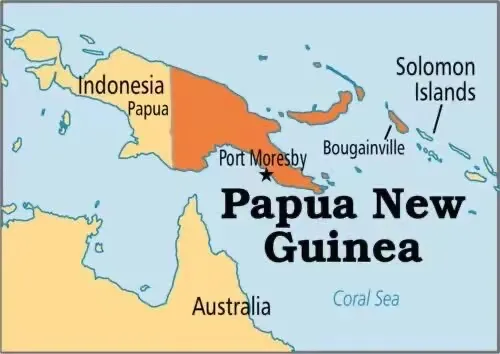
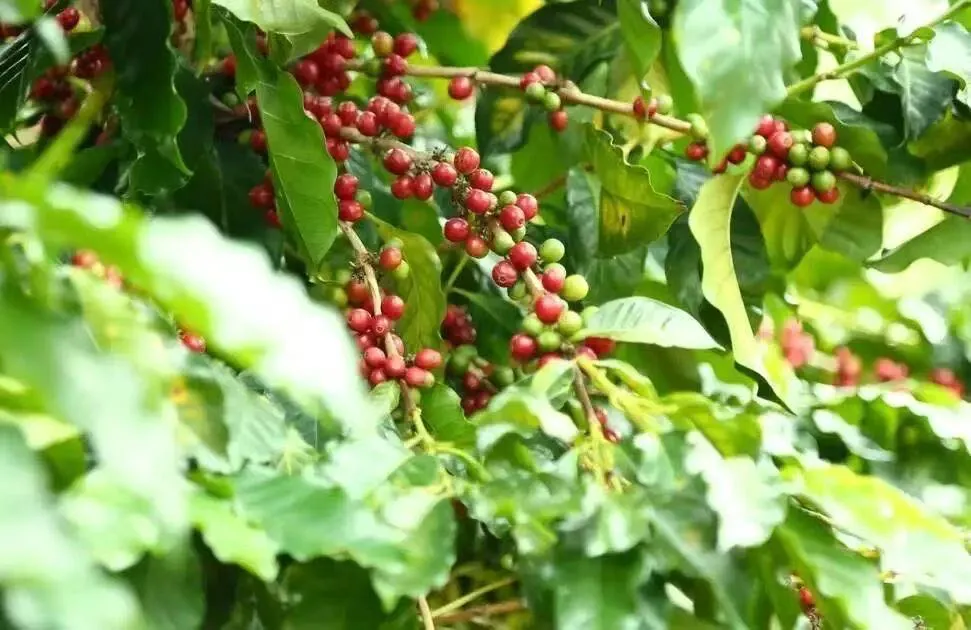
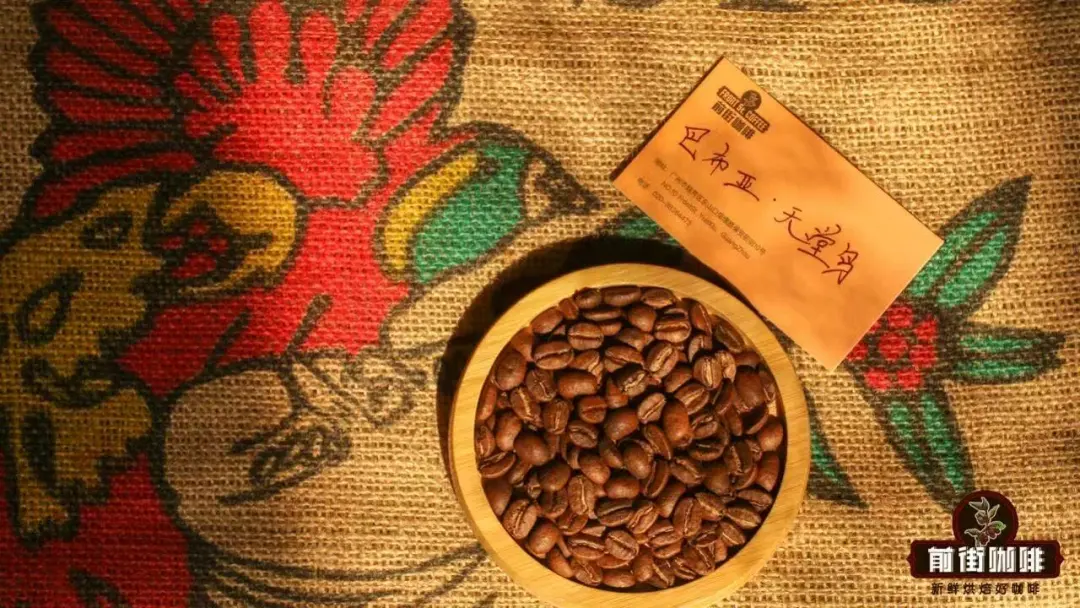
Turning to the Pacific region, Papua New Guinea coffee is gradually making its mark in the specialty coffee market. This island nation located in the southwest Pacific boasts rich volcanic soils and diverse microclimates, providing excellent growing conditions for coffee. Papua New Guinea coffee is mostly cultivated in high-altitude mountainous regions, with Typica and some traditional Arabica varieties being the primary cultivars. When carefully processed, these beans often showcase unique fruity aromas and a rich body.

The flavor profile of Papua New Guinea coffee typically includes vibrant tropical fruit notes such as passion fruit and mango, along with medium-to-high acidity and a smooth body. Some high-quality batches can even reveal layers of nuts, spices, and honey, making them stand out in cupping evaluations. Compared to Blue Mountain coffee, Papua New Guinea coffee often delivers a more explosive fruitiness, making it ideal for coffee lovers who enjoy vibrant acidity and complex flavor layers.
In terms of processing methods, Blue Mountain and Little Blue Mountain coffee mostly use washed processing to ensure a clean and clear flavor profile, while enhancing their natural sweetness and acidity. In contrast, Papua New Guinea coffee may combine washed and natural (sun-dried) processing methods, adjusted according to different estates and microclimates, further highlighting regional characteristics and individuality. This also makes the flavors of Papua New Guinea coffee more varied, with each producing region or processing mill potentially offering a unique expression.
For coffee enthusiasts looking to try these three distinctly flavored specialty coffees, it’s recommended to make selections based on brewing methods. For instance, Blue Mountain coffee, with its delicate and balanced character, is very well suited for pour over or siphon brewing, which can fully bring out its mellow mouthfeel and aroma. Little Blue Mountain coffee is ideal for brewing at medium to high water temperatures to coax out its potential floral and fruity notes. As for Papua New Guinea coffee, its rich fruitiness makes it shine when brewed using pour over or French press, especially appealing to those who enjoy bright acidity and intense fruit aromas.
Additionally, understanding the roast level is crucial. Blue Mountain and Little Blue Mountain are typically roasted to a medium-light level to preserve the nuances of their inherent flavors. In contrast, Papua New Guinea coffee can be chosen at either medium or medium-dark roast levels depending on personal preference, enhancing both fruitiness and deeper sweetness and body. Regardless of which you choose, the right roast level will directly influence the final flavor expression.

In summary, Blue Mountain coffee, Little Blue Mountain coffee, and Papua New Guinea coffee each represent distinct styles within the specialty coffee spectrum. Blue Mountain is celebrated for its classic, balanced, and delicate profile, often considered a dream coffee by enthusiasts. Little Blue Mountain offers a similar yet more regionally unique alternative. Papua New Guinea coffee, with its rich fruitiness and diverse flavor layers, injects new vitality into the specialty coffee market. By gaining a deeper understanding of their regional backgrounds, variety traits, and flavor expressions, you’ll be better equipped to choose the coffee that best suits your palate and enjoy the pleasure of each brew.
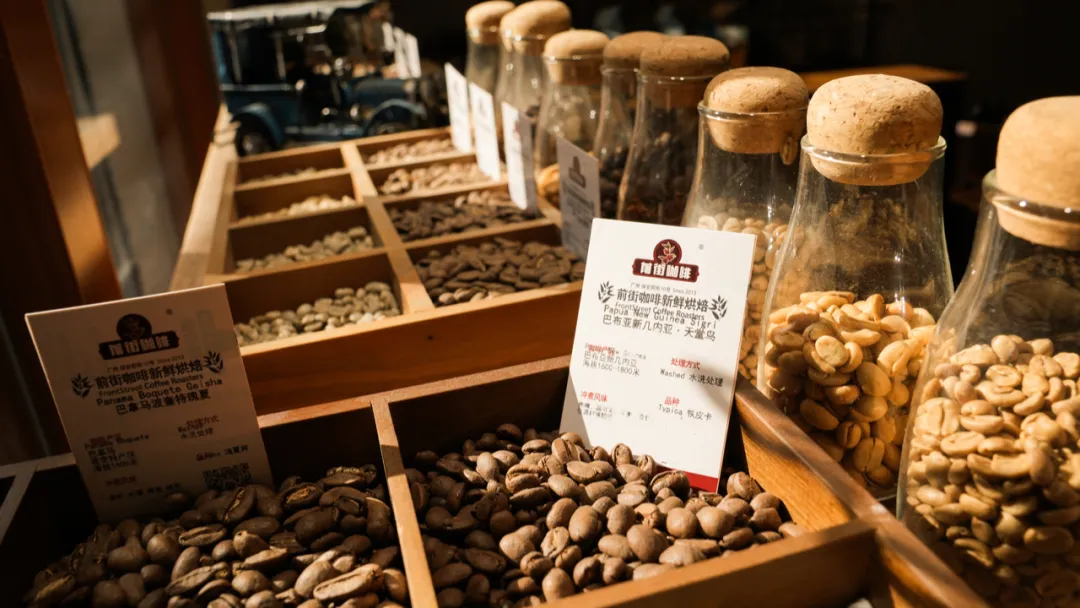
Whether you’re a beginner just stepping into the world of coffee or an experienced enthusiast, exploring these specialty coffees from around the globe can not only expand your palate but also deepen your appreciation of the cultural and geographical stories behind the beans. We hope this introduction provides you with valuable insights for your future coffee choices, making every cup a delightful journey.
The above content is compiled by CoffeeHunters, a coffee news website.


