







Introduction:Low winter temperatures pose significant challenges to the extraction stability of pour over coffee. From rapidly decreasing water temperature, to insufficiently warm equipment, to static electricity causing coffee grounds to clump—these issues can all affect the final flavor profile. This article delves into three common winter pour over problems, offering practical solutions including adjusted water temperature strategies, effective insulation methods, and techniques to deal with static-induced clumping, helping you brew quality coffee steadily even in the cold season.
As winter arrives, the pour over coffee brewing process often faces multiple challenges due to environmental changes. The low ambient temperature not only accelerates heat loss from hot water but also keeps brewing equipment at a lower temperature. Combined with dry air that increases static electricity, these factors can all impact coffee flavor. Below are specific and actionable strategies to address the three most common winter pour over issues.
1. Rapid Water Temperature Drop – Adjust Your Settings Accordingly
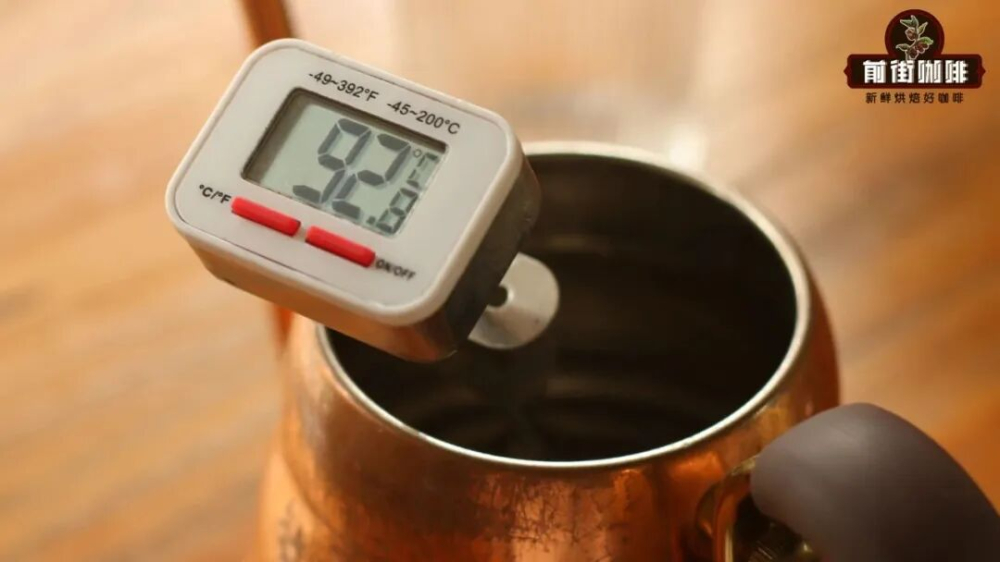
In winter, room temperatures are noticeably lower, and regardless of the type of kettle used, water temperature drops faster than in summer. According to test data, brewing with 92°C water for about two minutes in summer will still leave the remaining water in the kettle at around 88–89°C by the end. However, under the same conditions in winter, the water temperature may drop to around 84°C by the time brewing is complete. In addition to the rapid temperature decline, the filter cone being exposed to cold air for an extended period can further reduce the temperature by 1–3°C during brewing. This results in an overall extraction temperature below the ideal range, ultimately leading to overly acidic or thin-tasting coffee.
To address this, it’s recommended to increase the brewing water temperature by about 2°C. For example, if you usually brew Kenyan beans at 92°C, adjust to 94°C in winter. If your kettle lacks temperature control, first discard any cold water inside, preheat the interior with a small amount of hot water, then add the brewing water and measure the temperature. Additionally, slightly increasing the total pour volume can help slow down the rate of temperature loss.
2. Equipment Insulation Tips – Maintain Stable Brewing Conditions
Low temperatures not only affect water warmth but also leave various pour over tools at a cold starting state, altering extraction characteristics. Filter cones made of ceramic, glass, or metal—due to their better heat absorption properties—tend to draw heat from the hot water faster than resin cones, thereby influencing the temperature of the coffee grounds. When using such cones, it is recommended to wet the filter paper with about 50g of hot water beforehand. This not only minimizes the cone’s effect on the temperature of the brewed coffee but also helps preheat the server.
The slender spout design of pour over kettles can also lead to heat loss during pouring as the spout is exposed to cold air. To reduce this, pour out a small amount of hot water first to preheat the spout before beginning your actual pour. Furthermore, pour height is another key factor affecting water temperature. A higher pour stream increases surface exposure to air, lowering the water’s temperature by the time it hits the coffee bed, which hinders proper extraction. It’s advisable to reduce the pour height from the usual 4–5cm to 2–3cm, and to pour in a slightly faster yet steady circular motion. This helps maintain extraction temperature.
3. Static Electricity Causes Coffee Ground Clumps – Essential Cleaning & Separation Techniques
Dry winter air exacerbates static electricity generated through friction, which also affects how coffee grounds are handled. When grinding coffee beans, you might notice heavier particles falling smoothly into the catch basin, while finer particles tend to stick to the grinder’s inner walls. In the low-humidity conditions of winter, these fine particles can be more easily attracted by static electricity and fail to fall, resulting in a reduced yield of usable coffee grounds. It is recommended to have a can of air blower or a clean brush on hand to remove residual coffee grounds inside the grinder, ensuring each grind session is complete.
Additionally, static electricity can cause coffee grounds to cling to one another, forming clumps of varying sizes. If left unaddressed, these clumps can obstruct even extraction during pouring and negatively affect flavor. When clumping occurs, gently break them apart using a toothpick or a pin-style distributor to help the coffee grounds distribute more evenly, thereby enhancing overall extraction performance.
The above content is compiled by CoffeeHunters, a coffee news website.


