







Introduction:What should you do if you accidentally grind your coffee beans too coarse for pour over? Many might think of regrinding—what’s known as “second grinding”—but this actually comes with issues like increased fines and grinder wear. This article will break down the pros and cons of second grinding through a real-world example, and offer practical alternatives that don’t require regrinding. Learn how to optimize parameters like water temperature and pouring technique to still brew a well-balanced cup.
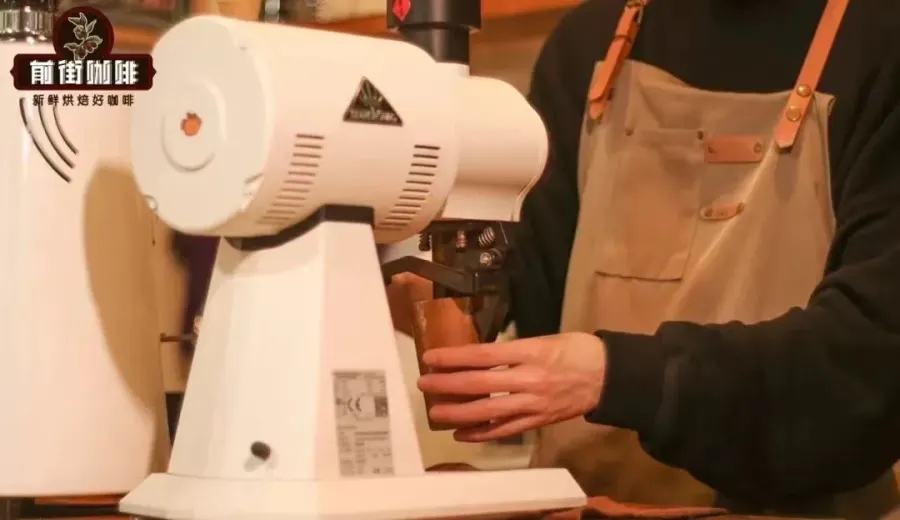
During pour over, if you accidentally grind your coffee beans too coarse, your first thought might be: can I pour these grounds back into the grinder, reset the setting, and grind them again? This practice is what we call “second grinding.” While competitive baristas may use it to improve particle uniformity, in daily use, second grinding not only tends to produce excessive fines but can also accelerate grinder wear. Caution and balance are needed when attempting this.
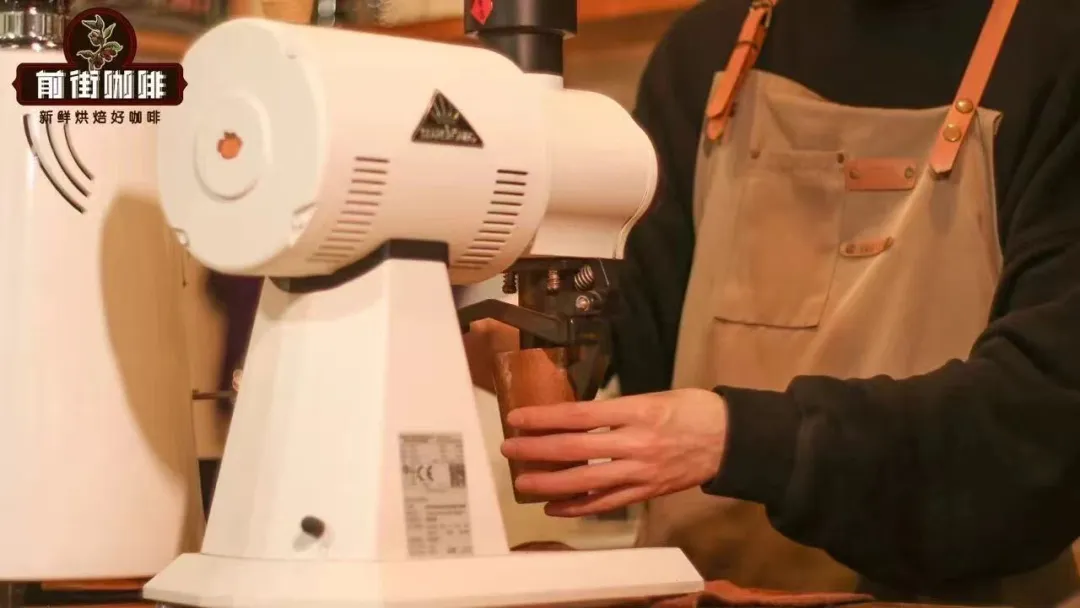
The coarseness of coffee grounds directly affects extraction efficiency. When the particles are too coarse, water flows too easily, preventing the full dissolution of coffee flavors, often resulting in a thin and one-dimensional cup. So, many coffee enthusiasts wonder, can they just regrind these coarse grounds to achieve the ideal extraction?
The answer is yes. In fact, on the international coffee competition stage, some baristas do employ second grinding, mainly to make the particle size distribution more consistent and enhance overall extraction stability. However, this method isn’t without risks, especially for home users or casual coffee drinkers, where unexpected issues may arise.
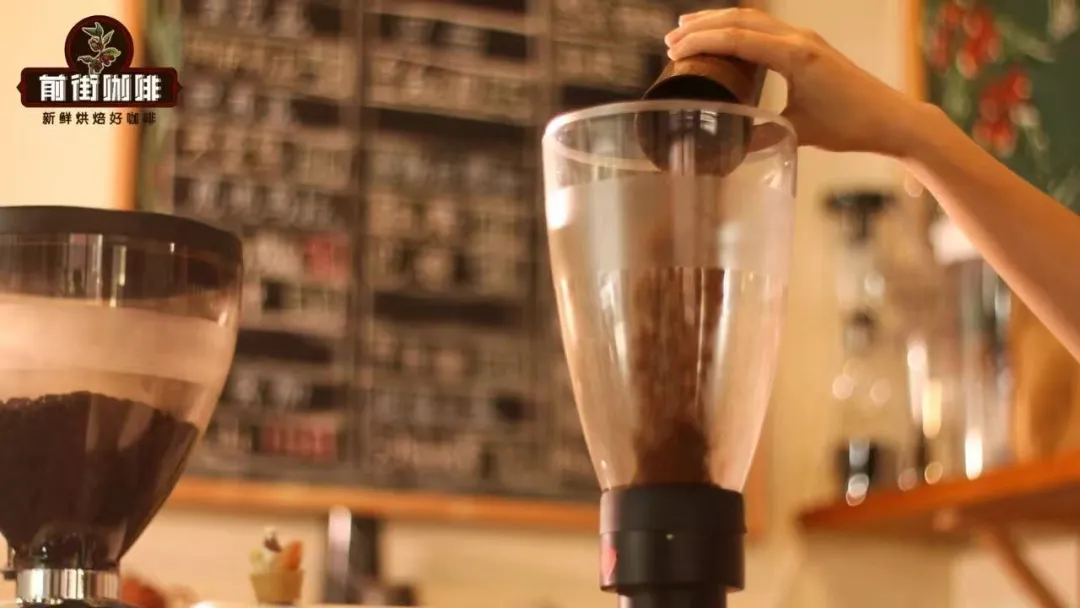
Increased Fines Issues:Every time you grind coffee, a certain percentage of fines—particles smaller than 0.25 mm—are produced. A moderate amount of fines can enhance mouthfeel, but too many can lead to channeling, causing localized over-extraction and resulting in astringent or off flavors. Second grinding subjects the coffee to mechanical stress again, further increasing the number of fines. In practice, clumps of fine particles are often observed after second grinding, particularly noticeable when using grinders with average performance.
If your home grinder already produces a lot of fines, it’s recommended to use a sieve after second grinding to remove excess fine particles, which can reduce the risk of uneven extraction or clogged filters.
Grinder "Powder Retention" Issue:Another issue to watch out for is “powder retention,” where some coffee grounds get stuck in the crevices or corners of the grinder during operation and fail to be fully expelled. For electric grinders, for example, you might put in 15 grams of beans but only get 14.7 grams of ground coffee. If you’re grinding pre-ground coffee that’s already been through once, due to the lighter weight and stronger static of the particles, an even higher proportion can be retained in the machine.

Based on test data, after performing second grinding on about 20 grams of coffee, you may end up with only around 13 grams of usable grounds—a fairly high rate of loss. These leftover fines, if not cleaned promptly, can not only affect subsequent grind consistency but also make cleaning harder. Therefore, without tools like a blow dryer or a proper cleaning routine, second grinding may not be the best option.
If you're using a hand grinder or have tools like an air blower handy, second grinding can still be attempted. But for most users, when facing coffee that’s already been ground too coarse, it’s better to directly adjust brewing parameters—still achieving a great cup.
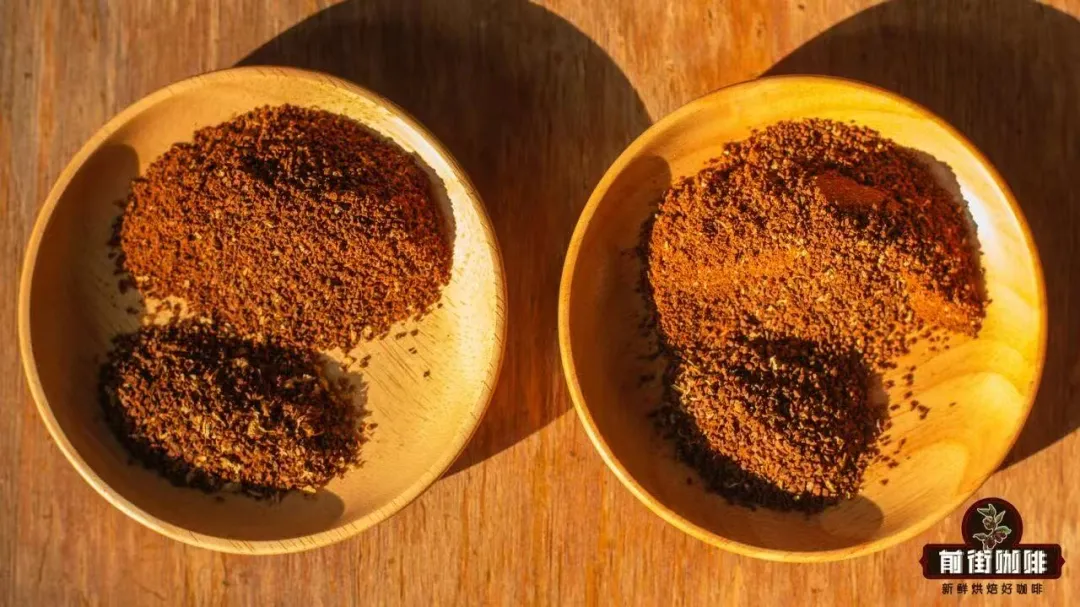
Key adjustment directions include: raising water temperature, slightly modifying pouring technique, and controlling total brew time. Below is a real-world case study—using Panama Elida Anaerobic Natural Catuai—to show how parameter optimization can compensate for overly coarse grinding.
This brew used the following settings: 15g coffee, 1:15 coffee-to-water ratio, using a V60 dripper. The key adjustments were made to grind size and water temperature. The original standard brew used an Ek43 grinder at setting 9.5, roughly 75–80% passing through a #20 sieve (a fine grind); this time it was adjusted to setting 10.5, yielding a coarser grind with about 70% sieve passing rate, while water temperature was raised from 92°C to94°Cto enhance extraction efficiency.
The brew method followed a classic three-pour approach: the first pour used double the coffee weight (about 30g) for a 30-second bloom to awaken the grounds. The second pour added about 120ml of hot water. Due to the coarser grind, the water flowed through faster. Maintaining the original pour speed could shorten overall brew time, leading to incomplete flavor extraction. Therefore, it’s recommended to use a slower pour rate and widen the circular pouring motion to slow the water flow, ensuring the total brew time is close to2 minutes.
The final third pour added 75ml of hot water, further reducing pour speed and narrowing the circle to about the size of a coin to ensure even saturation of the coffee bed. Once all the water has drained from the dripper, you can remove it and finish the brew.
With this adjusted parameter setup, even with a coarser grind, the final cup's flavor profile was nearly indistinguishable from a standard grind. It had a smooth mouthfeel, clear layers, and distinct notes of berries, cream, and apricot, with a long-lasting finish that fully showcased the bean’s characteristics.
In summary, if your pour over coffee grounds end up too coarse, there’s no need to panic and regrind. By thoughtfully adjusting water temperature, pour pace, and brew time, you can still achieve excellent extraction. Next time you run into a similar situation, stay calm, adjust your parameters, and you’ll still brew a great cup.
The above content is compiled by CoffeeHunters, a coffee news website.


