







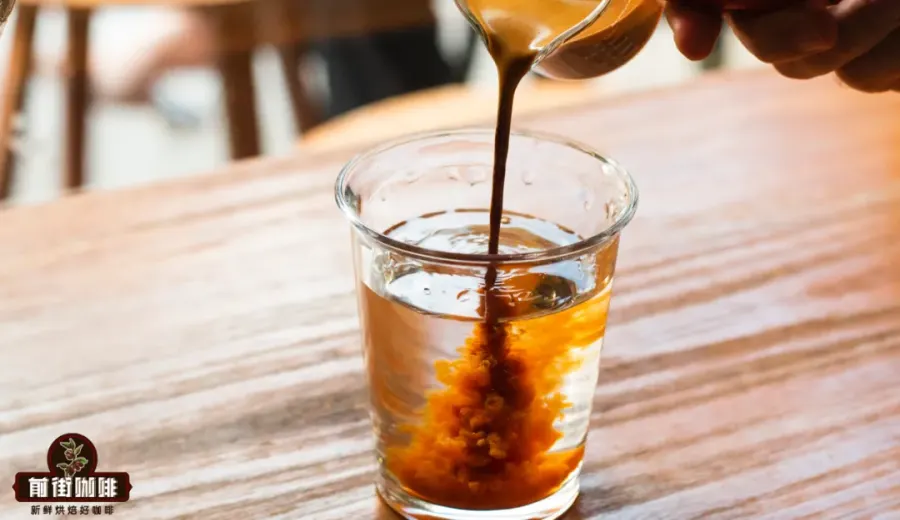
Introduction:Although Americano may seem simple, it involves many details. From the ratio of espresso to water, bean variety selection to extraction parameters, each step can influence the final flavor. This article delves into how to adjust the recipe according to roast level, provides practical espresso extraction advice, and shares classic blend and iced Americano mixing ratios to help you brew a smooth and enjoyable Americano.
Americano is essentially made by adding hot water to espresso. Although it may appear straightforward, brewing an Americano with balanced flavor and comfortable mouthfeel requires mastering the subtle interplay between ingredients, extraction, and the coffee-to-water ratio. This article will start from the basic concepts and explain in detail how to adjust your Americano to suit personal taste using the right coffee beans, water quality, and espresso extraction parameters.
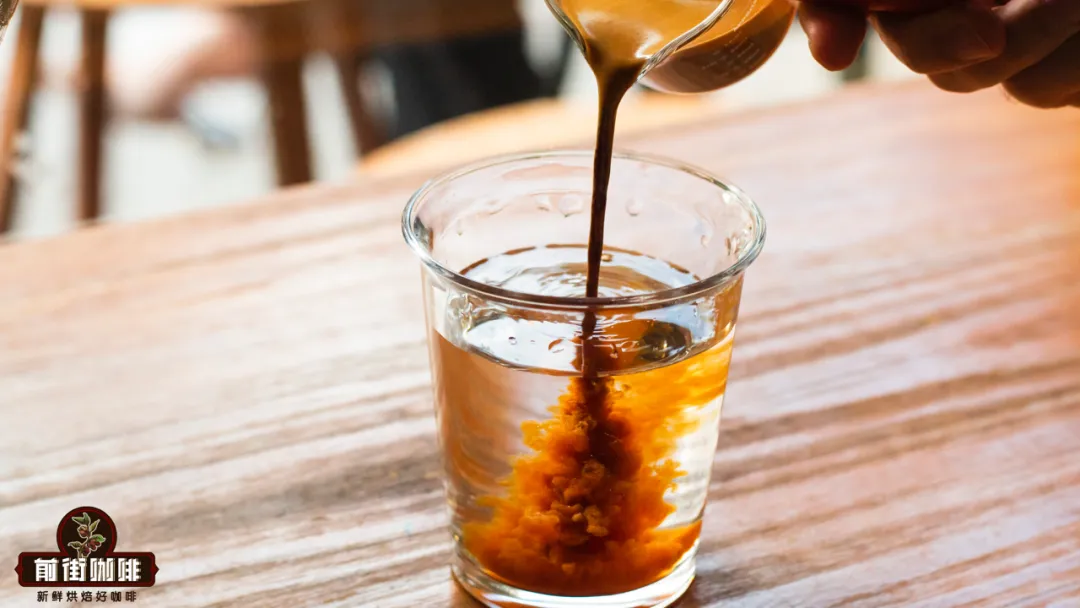
First, the core of Americano lies in "espresso plus water," but not just any water added haphazardly. The choice of ingredients, the extraction conditions of the espresso, and the final coffee-to-water ratio all directly affect the outcome. Therefore, if you want to brew a truly smooth black coffee, none of these details can be overlooked.
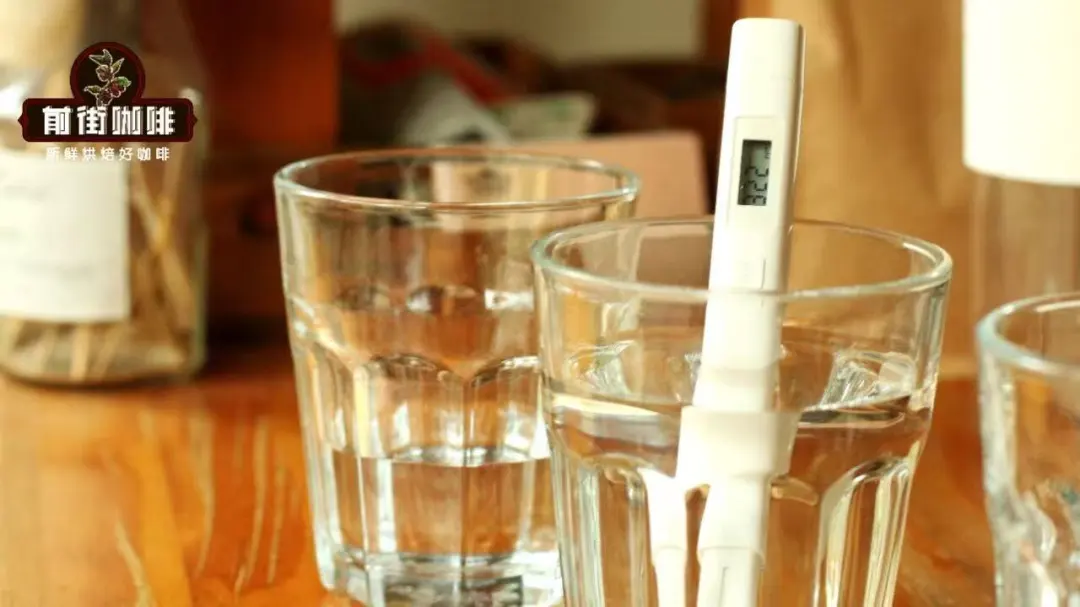
In terms of ingredients, water makes up about 98% of the entire Americano and may seem unimportant, but it greatly affects the coffee's taste and aroma. Many people may not realize that different brands or sources of water, due to differences in mineral content and treatment methods, can make the same coffee exhibit completely different characteristics. It is recommended to use filtered or soft water when possible to achieve a purer extraction base.
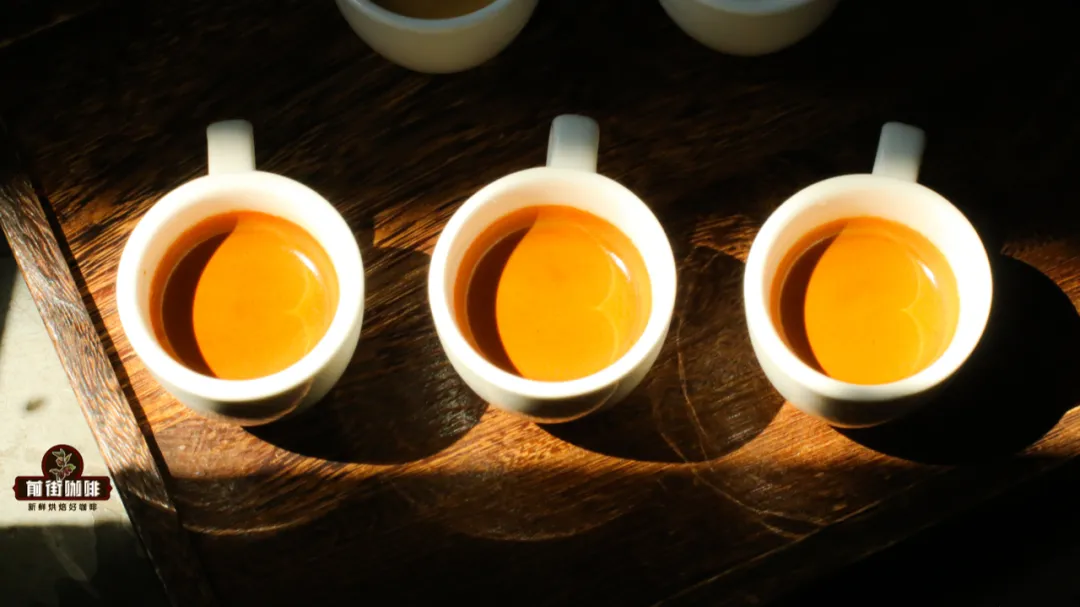
As for the choice of coffee beans, it is even more crucial to determining the flavor direction of the Americano. If you prefer a rich, bold Americano with low acidity and notes of caramel, nuts, or chocolate, it is recommended to choose a medium to dark roast blend — such as the classic combination of Brazilian and Southeast Asian beans. These beans typically offer a full-bodied mouthfeel and rich aftertaste.
If you prefer a bright, refreshing flavor with fruity acidity and floral notes, then you might consider lighter or medium-light roast beans, such as sun-dried Ethiopian beans. The Americano brewed from these beans often features vibrant acidity and distinct layers, making it suitable for those who enjoy a clean and crisp taste.
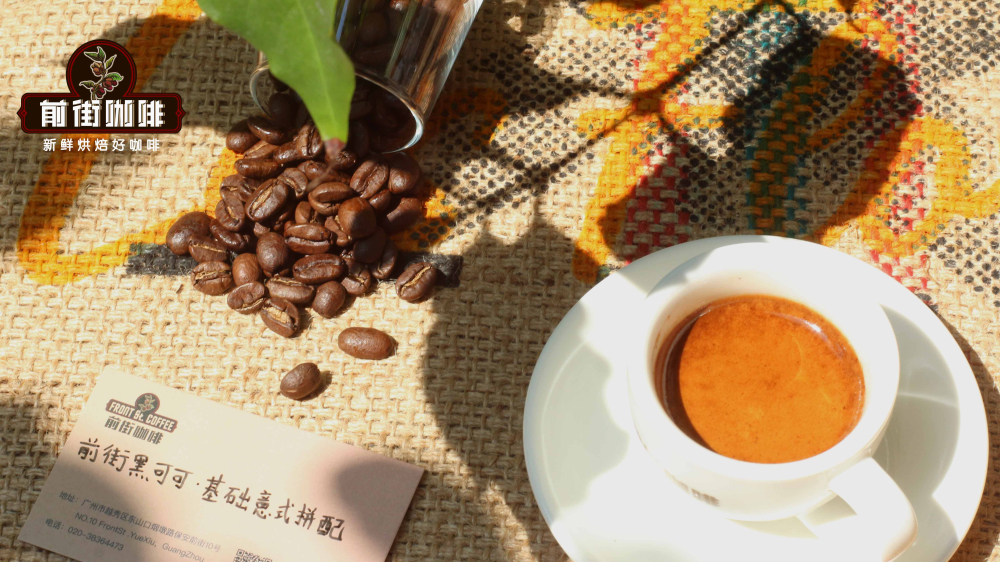
Extracting espresso is a key step in making Americano. Though it doesn’t require the extreme precision of pour over, the parameter settings still significantly influence the overall flavor. Generally, using 20 grams of coffee grounds, at a 1:2 coffee-to-liquid ratio, and extracting around 40 milliliters of espresso within30 seconds
is a common and stable method. This type of espresso is highly concentrated, making it suitable for later dilution with a large amount of hot water. If your grinder setting is coarser, resulting in lower extraction efficiency, you can also opt for a1:5 coffee-to-liquid ratio
, extracting 100 milliliters of coffee within the same 30 seconds. Although the espresso concentration is lower, this ensures that the flavor compounds are adequately released, and can still produce a well-performing Americano. Finally, regarding the coffee-to-water ratio — that is, the proportion of espresso to hot water added — it is key to determining the strength and flavor expression of the Americano. It is generally recommended to use a1:4 ratio
, meaning 40 milliliters of espresso with 160 milliliters of hot water. This suits most people’s tastes and fully showcases the coffee’s caramel, nutty, and cocoa aromas. 1:3For iced Americano, it is suggested to adjust the ratio accordingly
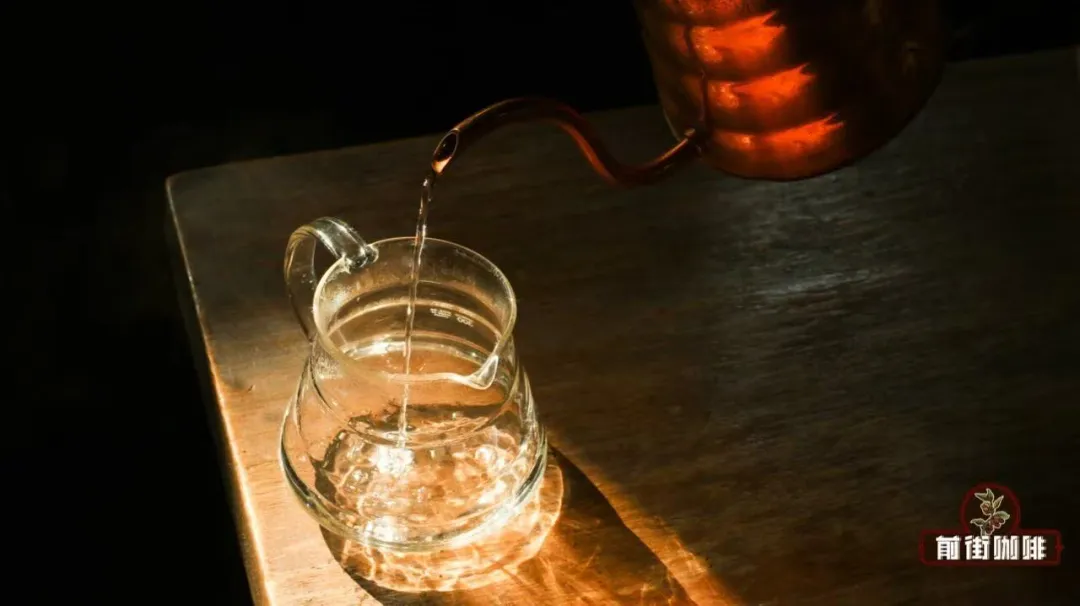
, and add an appropriate amount of ice to cool the drink, preventing dilution from melting ice. Additionally, if using medium-light roast beans — which tend to have more subtle flavors — it is recommended to further reduce the water volume to avoid overly diluted coffee that fails to express delicate fruit acidity and aromas.
The above content is compiled by CoffeeHunters, a coffee news website.


