







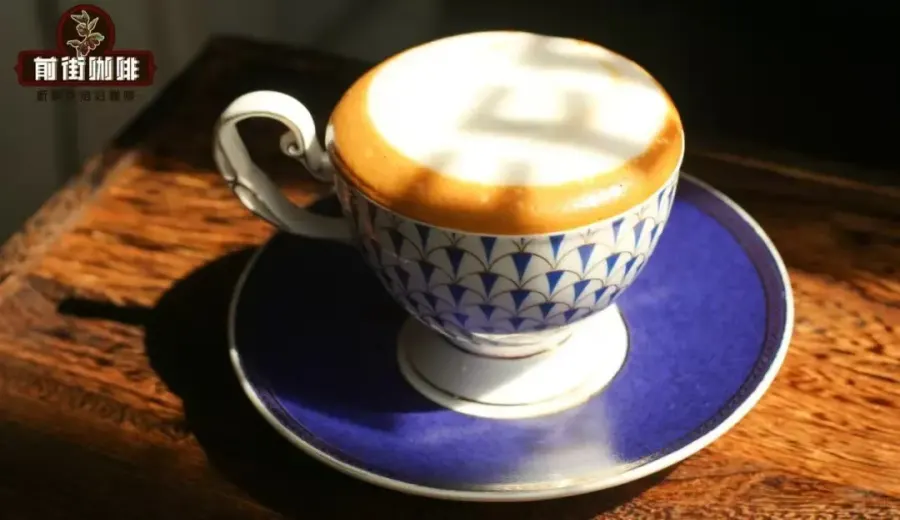
Introduction:Cappuccino is not just coffee with milk added — it has three unique defining characteristics: a thick, velvety foam, a strong and prominent coffee aroma, and a visually satisfying fill level of 11/10. This article will delve into the authentic standards of a cappuccino, from the golden ratio of coffee, milk, and foam, to how foam thickness affects latte art and the golden crema effect. We’ll also provide detailed extraction parameters and practical brewing steps, so you can make a standard cappuccino at home that’s smooth on the palate, highlights distinct coffee flavors, and boasts clear flavor layering.
Many people’s first impression of cappuccino is simply “espresso with milk and foam.” Though it may seem simple, there’s actually quite a bit of technique involved. What sets cappuccino apart from other milk-based coffees like latte or flat white are its unique “velvety texture,” “strong coffee flavor,” and “visually full 11/10 presentation.” These three features not only distinguish it from other milk coffees but also serve as key criteria for judging whether a cappuccino meets the standard.
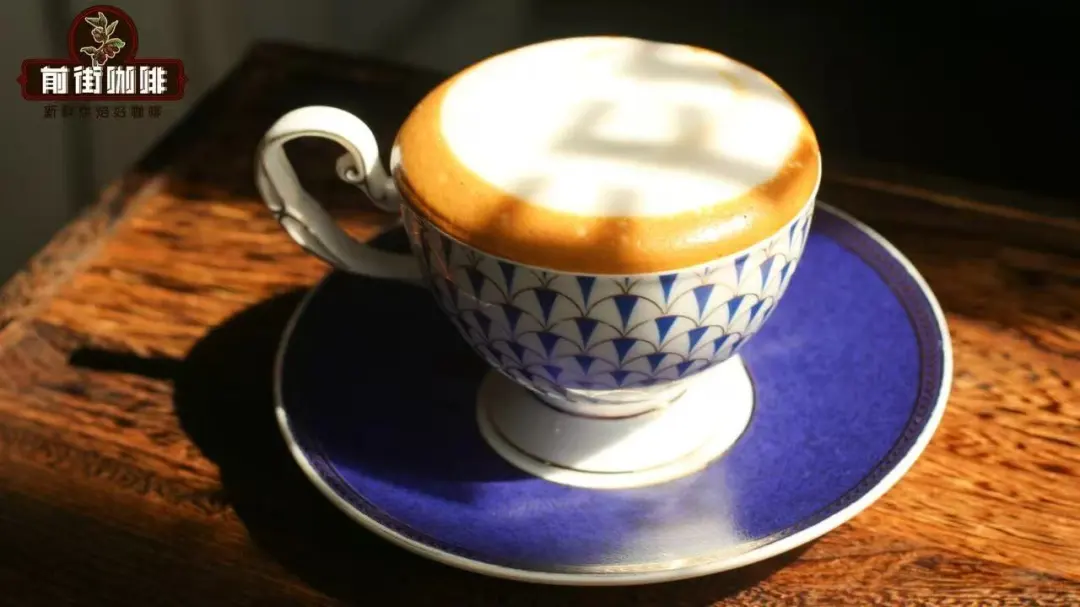
Although many coffee shops’ cappuccinos generally meet consumer expectations, by Italian standards, there are still plenty of instances that don’t fit the “authentic” definition. Common issues include overly thin foam, similar in texture to a latte, or even an overly large cup size that prevents the classic 11/10 full appearance. When the foam thickness is similar to that of a latte and the liquid level in the cup doesn’t reach 11/10 fullness, then that “cappuccino” is likely just a latte in disguise.
So, what characteristics should a standard cappuccino have? First,the foam thickness should be between 2cm and 2.5cm, which is about twice as thick as that of a typical latte and is also the key to maintaining an 11/10 fill level without spilling. Second, the coffee flavor should be strong and not completely masked by the milk. Lastly, the fill level should be close to the rim, presenting a full “11/10” visual effect that makes the entire drink look more substantial and layered.
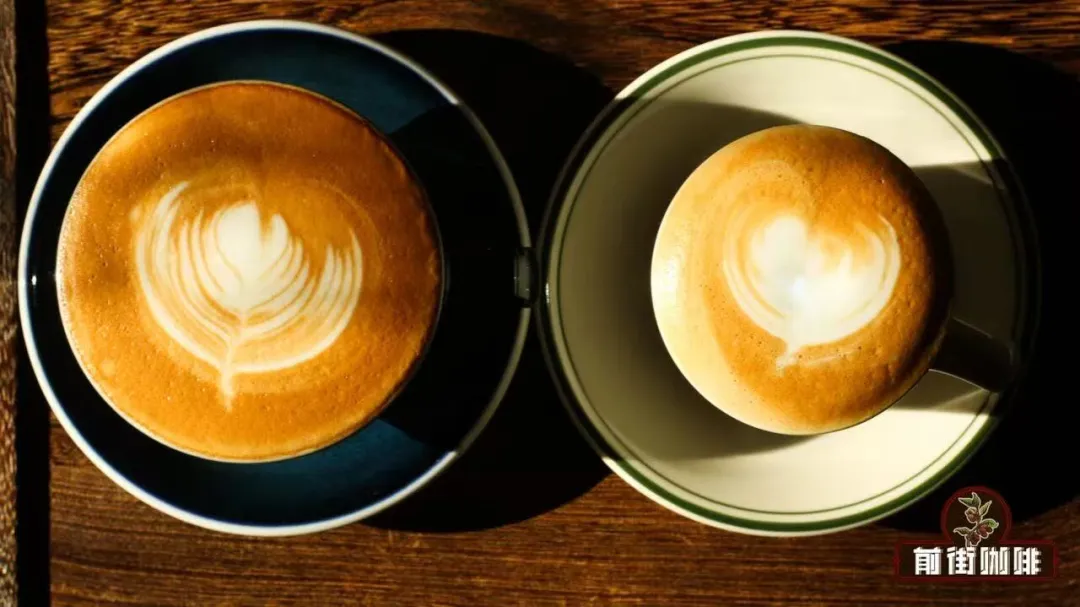
To make such a cappuccino,the recommended golden ratio of coffee to milk is 1:4. This ratio ensures the coffee aroma isn’t diluted while retaining a moderate amount of milk flavor and a smooth mouthfeel. In addition, the foam thickness should also be adjusted based on whether you want to create latte art or highlight the golden crema. If you aim to pour a simple design, it’s recommended to keep the foam at around2cm thick, as this thickness balances fluidity and visual appeal. If your goal is to showcase the classic “coffee golden crema,” then it’s advised to foam the milk to about2.5cm, allowing the coffee crema and foam to interlace into captivating patterns and giving the drink a more authentic Italian style.
Taking a commonly used medium-dark roasted blend as an example, its extraction typically yields flavors of caramel, chocolate, and buttery sweetness, which pair perfectly with milk without being overshadowed by the milk’s aroma. The recommended espresso extraction parameters are as follows:20g of coffee grounds, 30 seconds of extraction time, yielding 40ml of espresso. Under these parameters, the extracted espresso is concentrated and intense, laying a solid foundation for the entire cappuccino.

Based on the 1:4 coffee-to-milk ratio, 40ml of espresso should be paired with160ml of milk. If the goal is to achieve the golden crema effect, it’s recommended to foam the milk to approximately 2.5cm thickness and control the milk temperature to around65°C(temperature value missing), as this temperature helps bring out the natural sweetness of lactose in the milk, resulting in a smoother and more rounded overall flavor.
Next are the practical steps for creating the “coffee golden crema.” First, choose a cup with a moderately sized mouth,avoiding an overly wide rim that could result in a thin layer of foam, which would affect the visual impact of the golden crema. Pour the extracted 40ml of espresso into the cup, then use a spoon to scoop about one spoonful of thick foam and gently place it in the center of the coffee.
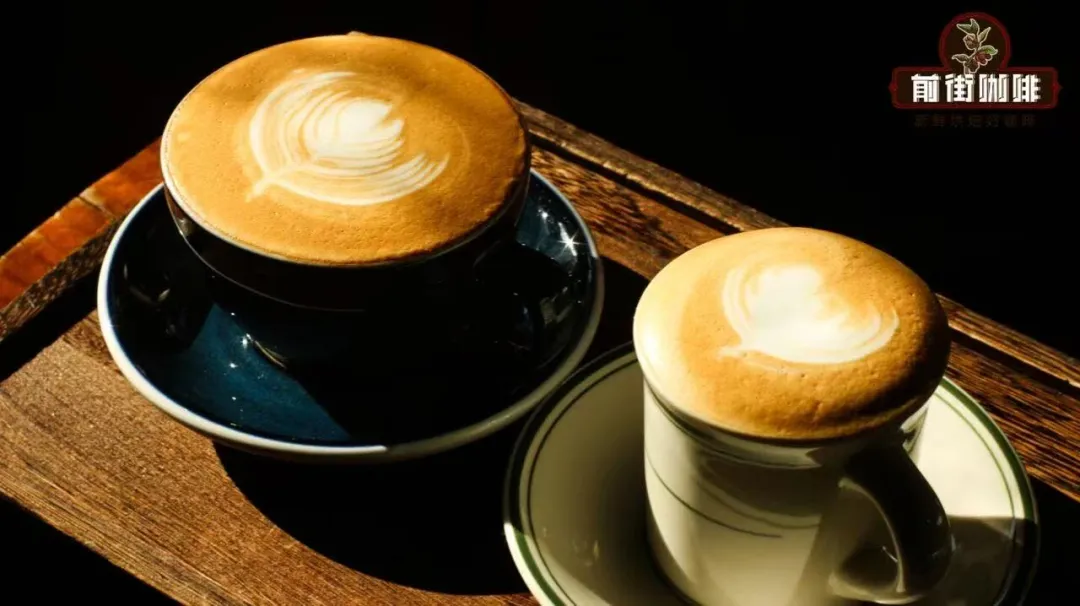
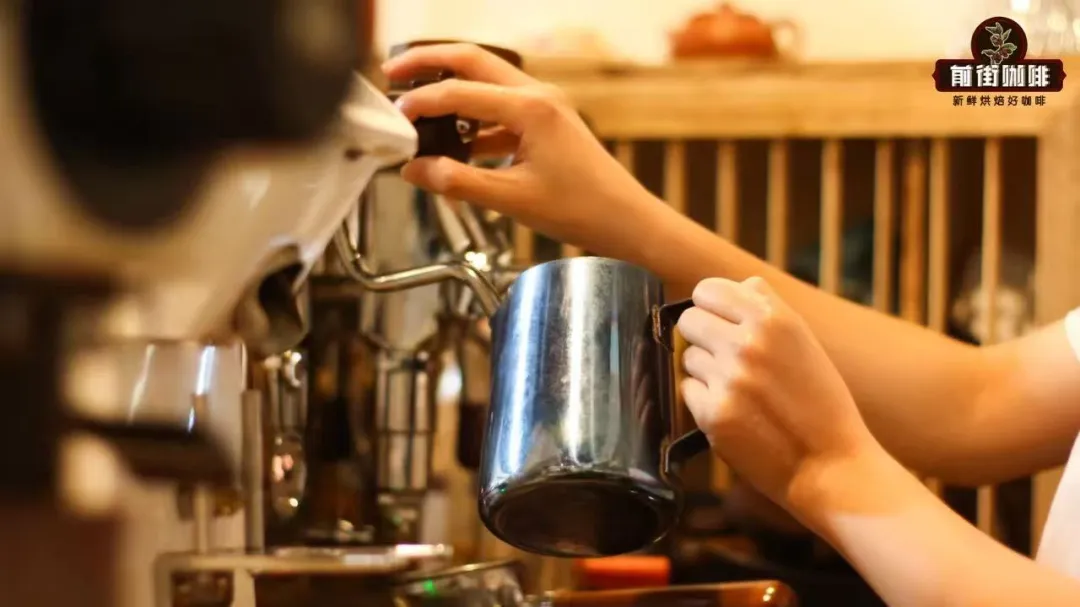
Then gently shake the milk pitcher to fully mix the milk and foam, improving fluidity, which helps ensure a smoother pour later. With a steady hand, slowly pour the milk and foam into the center of the coffee, letting the liquid naturally flow toward the rim while allowing the coffee crema at the bottom to interact with the foam, forming an attractive golden crema pattern.
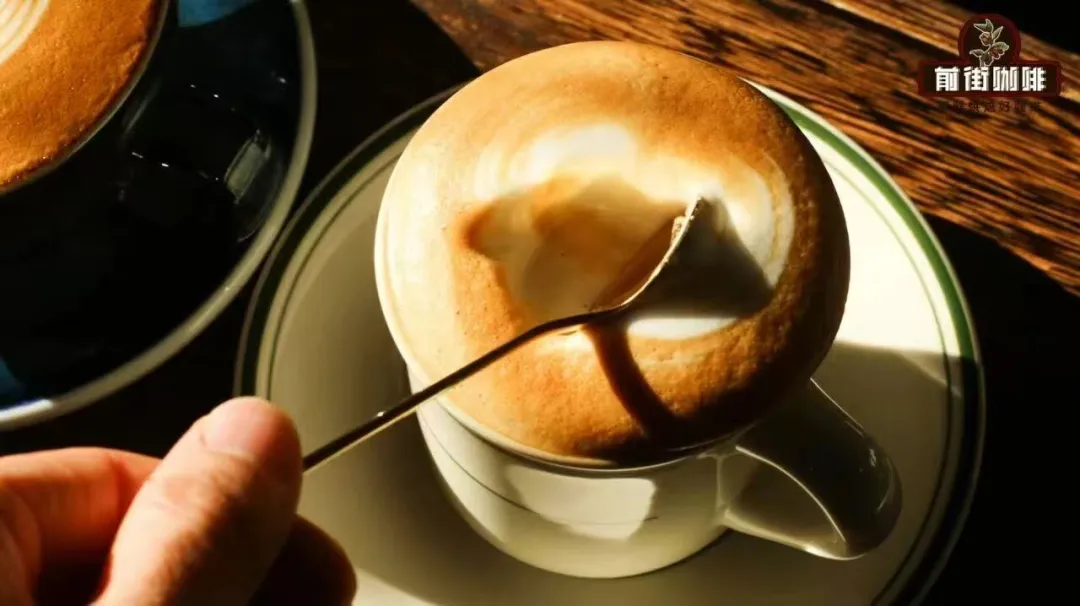
Thanks to the sufficient foam thickness, the entire drink can easily be poured to11/10 full. When the foam reaches the rim, a standard cappuccino with a clear golden crema is complete. If desired, you can also sprinkle a little chocolate powder on top for added visual and flavor dimension.
When drinking, it’s recommended to take a big sip, because if you only sip small amounts, the thick foam might prevent you from fully experiencing the flavor of the coffee itself. A traditional cappuccino first delivers a soft, cloud-like mouthfeel from the velvety foam, followed by the rich and smooth fusion of coffee and milk. The coffee aroma is prominent yet not bitter, with sweetness and milkiness perfectly balanced, offering clear flavor layers and a long finish.
The above ratios and techniques are suitable for medium-dark roasted beans. If using medium-light roasted beans — which tend to have a fresher flavor profile that can be easily masked by milk — it’s recommended to adjust the coffee-to-milk ratio to1:3.5(ratio missing), in order to ensure the coffee’s primary aroma remains prominent. Additionally, regardless of roast level, foam thickness and temperature control remain key factors influencing the final taste, so adjustments should be made based on actual conditions.
In summary, the key to a standard cappuccino lies in mastering the three essential elements: “strong coffee flavor,” “thick and velvety foam,” and a “visually full 11/10 presentation.” As long as you get the right coffee-to-milk ratio, foam thickness, and pouring technique right, you can easily craft a cappuccino with authentic flavor and rich texture — whether you’re brewing at home or taking your skills further to challenge latte art.

The above content is compiled by CoffeeHunters, a coffee news website.


