








Introduction:The grading system of Emerald Estate's Geisha is complex, with significant price differences between the Red Label and Green Label that often leave consumers puzzled. This article delves into the cultivation altitude, processing methods, traceability details, and actual flavor profiles of both, helping you understand why the Green Label is considered a high-value choice, and provides professional pour over recommendations to assist you in making the most suitable purchasing decision based on your needs.
After bringing Geisha coffee to the international stage, this estate gradually established a rigorous grading system. Among them, the Red Label and Green Label are the two most talked-about grades, not only widely discussed among coffee enthusiasts but also available in physical stores and e-commerce platforms. However, these two Geishas from the same renowned estate have nearly double the price difference, prompting many consumers to wonder: what exactly are the differences between the Red Label and Green Label? This article will comprehensively break down the core distinctions between the two, covering the grading system, growing altitude, processing techniques, cupping scores, and actual brewing performance.

First, it’s important to clarify that the commonly used terms 'Red Label' and 'Green Label' are actually consumer shorthand for the color schemes of Emerald Estate’s product branding, and not the official names. The official name for the Red Label is Esmeralda Special, with a red-dominated trademark, representing the highest grade of Geisha from Emerald Estate aside from auction lots. The Green Label is called Private Collection, with a green-dominated trademark, and is considered slightly below the Red Label in quality but still offers excellent value for money.
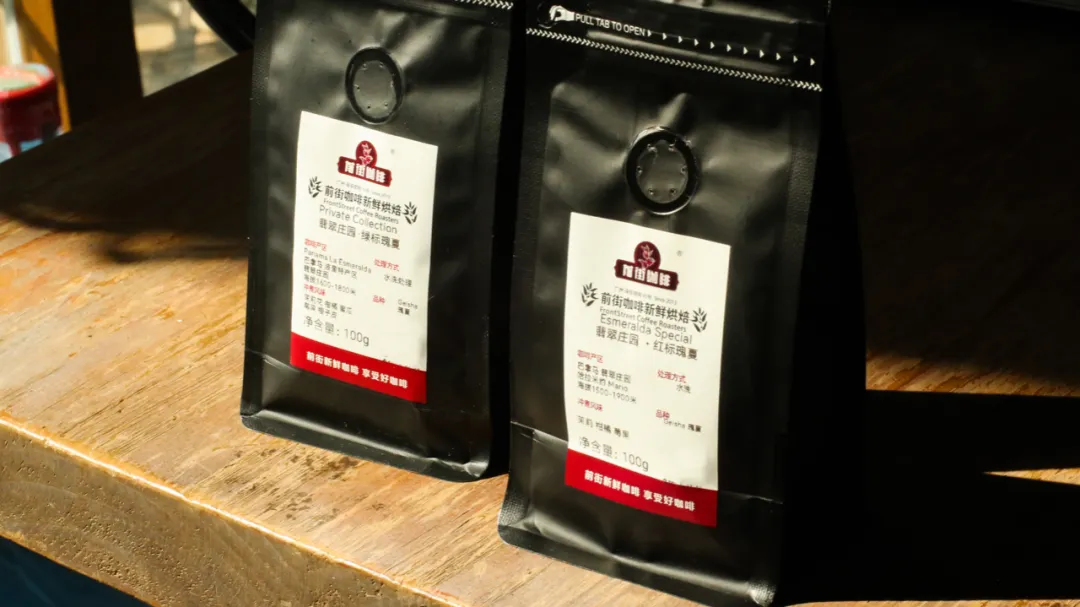
Red Label Geisha is grown at altitudes exceeding 1600 meters, with cupping scores of at least 91 points, and emphasizes being sourced from a single plot, complete with full traceability information. Each batch of Red Label Geisha comes with an independent batch number, through which detailed data such as growing location, altitude, day-night temperature variation, latitude and longitude, tree age, harvest time, processing method, and total production volume can be tracked. This is also one of the main reasons for the higher price of the Red Label.
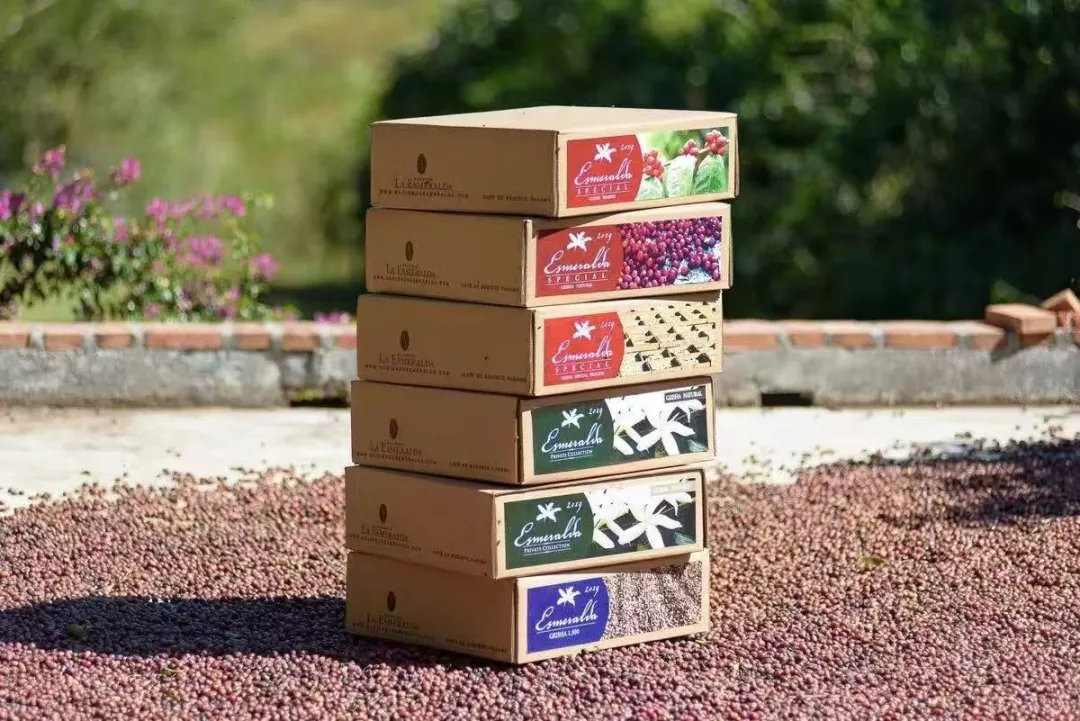
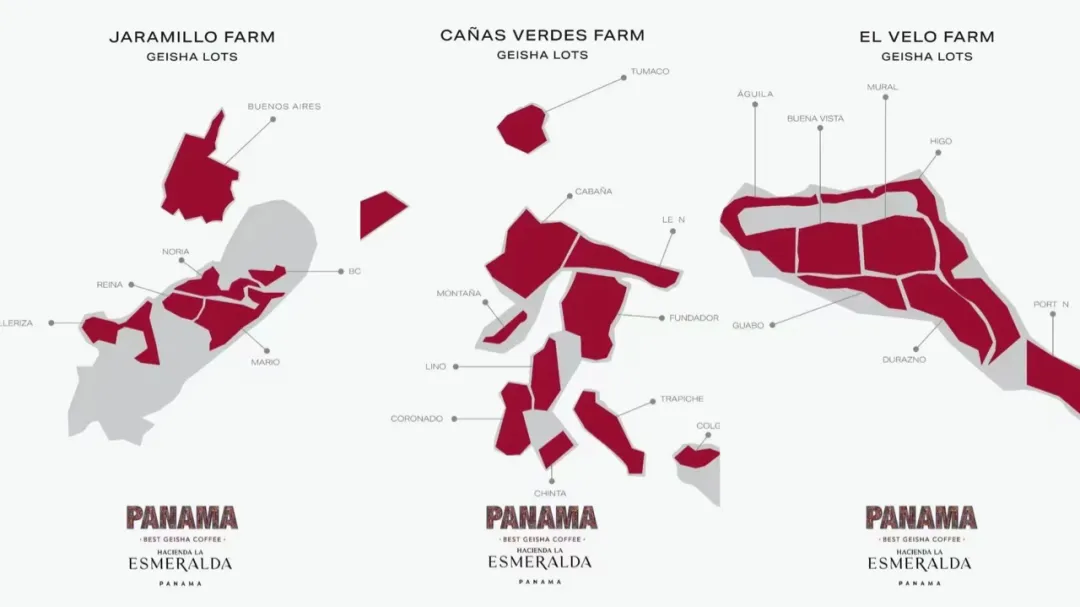
In contrast, Green Label Geisha is grown at altitudes ranging from 1600 to 1800 meters, and primarily uses traditional natural and washed processing methods. The biggest feature of the Green Label is that it is a blend of Geisha produced across all plots of three sub-estates under Emerald Estate — Jaramillo, Canas Verdes, and El Velo. As a result, it does not offer the same level of detailed single-plot information as the Red Label. These three estates comprise a total of 24 plots, whereas the Red Label insists on being from a single plot, which is the most fundamental difference between the two.
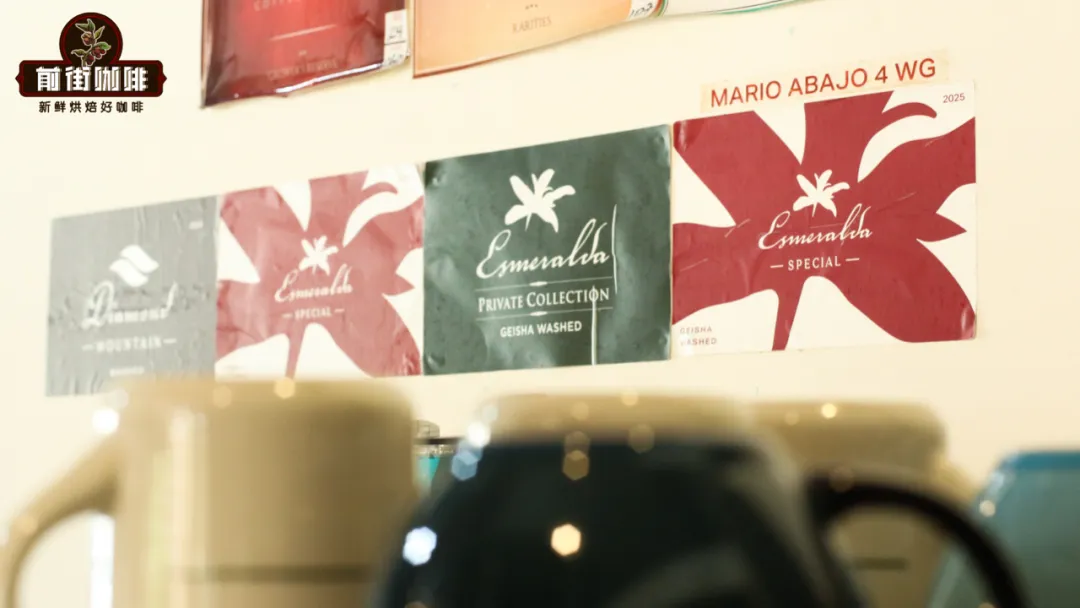
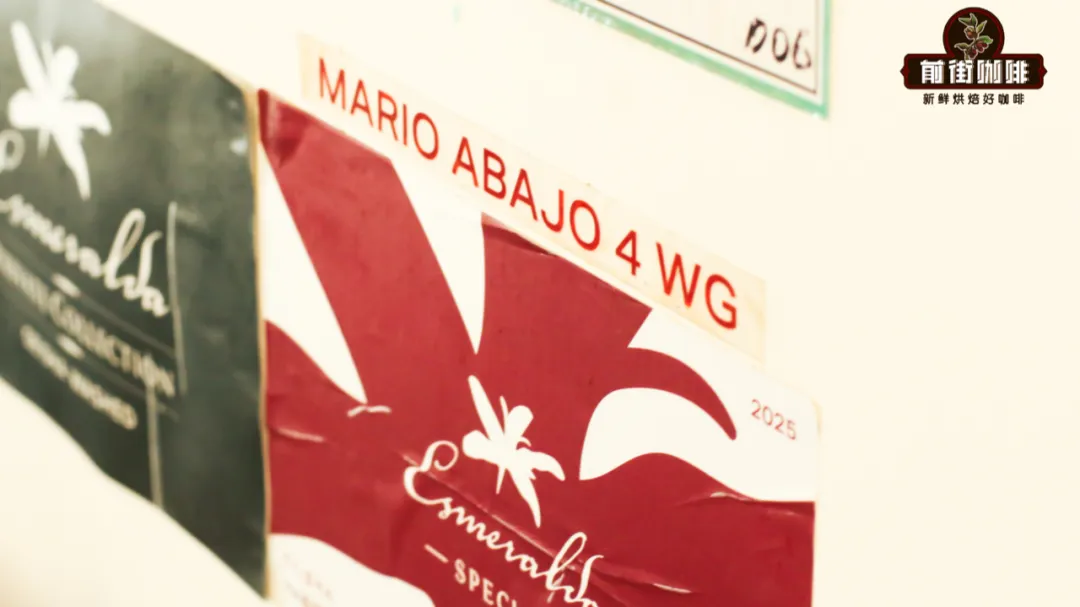
For a practical comparison, we selected a new-season washed Red Label Geisha from the Mario plot in Jaramillo, and compared it via pour over with a commonly available Green Label Geisha. Both beans were medium-light roasted, used the same washed process, and were brewed with identical parameters: 15g coffee, 1:15 coffee-to-water ratio, grind size approximately equivalent to the 10th setting on the Ek43 (80% through a 20-mesh sieve, similar in coarseness to fine sugar), water temperature at 92°C, using a three-pour technique with a V60 filter. The specific steps were: first pour double the coffee dose for a 30-second bloom, then pour 120ml of hot water at a moderate flow rate while slowly circling, wait for it to drip through, then pour the remaining 75ml at a slower flow rate, for a total brew time of about 2 minutes and 15 seconds.
In terms of flavor profile, the Green Label exhibits pronounced white floral notes and citrus tones, accompanied by hints of honey and oolong tea, with a caramel and honeydew melon sweetness in the aftertaste. The overall mouthfeel is smooth, like sipping a fragrant jasmine tea with fruity notes. The Red Label, while also showcasing floral and fruity notes such as jasmine, berries, and citrus, has a more distinct and focused flavor profile, with a cleaner and crisper taste. The difference lies in clarity and layering rather than the types of flavors themselves. Unless one frequently tastes both, it is difficult for the average consumer to clearly distinguish between them in a blind test. This also explains why the Green Label is seen as the most cost-effective Geisha option from Emerald Estate, especially suitable for coffee lovers who want to experience classic Geisha flavors on a limited budget.
Overall, although both Red Label and Green Label Geishas share the same origin, they each have their own distinctive characteristics in detail. If you pursue ultimate clarity of flavor and complete origin traceability, the Red Label is an unmissable choice; if you wish to experience the classic charm of Geisha at a more affordable price, the washed Green Label will be a highly recommended high-value option. Feel free to choose the Geisha that best suits you based on your personal budget and taste preferences.
The above content is compiled by CoffeeHunters, a coffee news website.


