








Introduction:Choosing a dark roast coffee bean suitable for pour over is not just about flavor selection—it also involves how the roast level affects extraction and taste expression. This article takes you through the flavor profile, equipment pairing, common misconceptions, and practical parameters to help you understand the characteristics of dark roast beans. We also recommend several representative dark roast options to assist you in finding the beans that best match your taste preferences and brewing scenarios.
The roast level greatly influences the flavor direction and extraction response of coffee beans. Light roast beans typically showcase bright floral and fruity aromas with vibrant acidity, medium roast leans toward sweetness and overall balance, while dark roast beans clearly shift toward rich notes of nuts, cocoa, and caramel. Although bitterness is often mentioned, it is not solely determined by the roast degree—it is more closely related to water temperature, grind size, and extraction time.
Characteristics of Dark Roast in the CupThey are mostly characterized by a full body, low acidity, and high richness. The bitterness may not be intense, but if mishandled—such as using too high a water temperature, an overly fine grind, or an excessively long steeping time—it can easily amplify astringency and dry, bitter aftertaste. Therefore, to fully appreciate the charm of dark roast, stable extraction parameters and an understanding of its flavor are essential.
To choose a dark roast bean suitable for pour over, you can approach it from several practical angles: What kind of flavor profile do you prefer? What brewing equipment do you use daily? What drinking temperature do you favor? And how often do you drink coffee? It's recommended to clarify these factors first, then filter by roast level, so the beans can display their intended characteristics—not just chasing “famous beans” or “high-grade” labels.

For example, some dark roast blends focus ondark chocolate and roasted nutlayers, with low acidity, making them suitable for those who enjoy strong flavors and milk-based coffee; some emphasizesmooth sweetness and low-acid balance,with clean flavor lines, ideal for drinkers who prefer the flavor profile of Blue Mountain; there are also dark roast beans that work well for pour over, moka pot, and even espresso machines, maintaining consistent richness and a chocolatey finish.
In actual selection, it’s advisable to check the roast date of the beans and store them properly in a cool, dry place. Try to use them within 2–3 weeks after opening to capture their optimal flavor. When brewing, start by smelling the dry aroma, then carefully observe the sweetness upon entry, the layers in the mid-palate, and the persistence of the aftertaste. If you find the aroma lacking or the taste thin, it could be due to too coarse a grind, too low a water temperature, or the beans being past their prime.
Additionally, the same beans may perform quite differently when prepared as hot drinks, iced drinks, or with milk added. It’s recommended to record each brew’s parameters, including water temperature, grind size, and extraction time, gradually finding your ideal “cup profile.” If multiple household members share the coffee, consider choosing awell-balanced, consistently brewed dark roast base bean, supplemented by single-origin beans for variety—this allows for clearer comparisons than buying several similar-flavored beans at once.
For brewing strategies with dark roast beans, it’s suggested tostart with a slightly lower water temperature (around 88–90°C) and a shorter extraction timeto first grasp their sweetness and richness, then adjust as needed. If used as the base for milk coffee, ensure the espresso itself has enough body and intensity, so that when milk is added, it results in a full and harmonious taste.
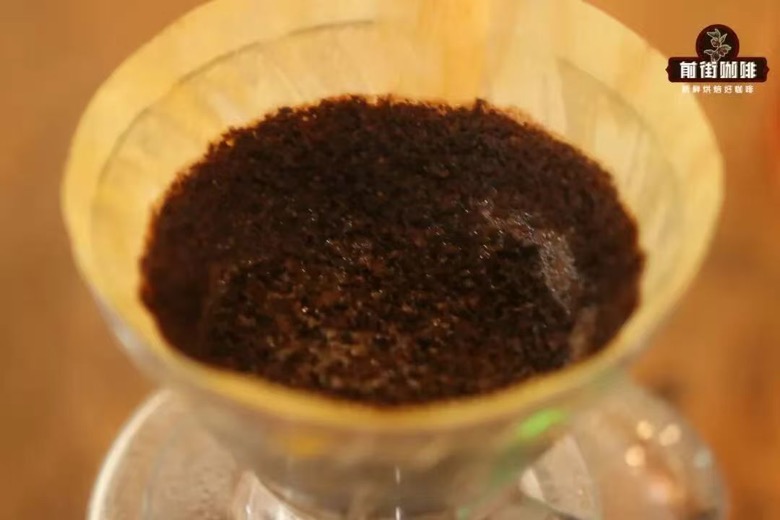
Finally, if your brewing habits, equipment, or taste preferences change with the seasons or mood, consider dividing your beans into “everyday stable” and “exploratory trial” categories. One can provide a consistent and smooth baseline, while the other lets you experience differences in origin, processing method, or flavor characteristics. Once the general direction is set, fine-tuning grind size, water temperature, and extraction time often yields better results in improving your overall brewing experience and depth of understanding than frequently switching bean varieties.
The above content is compiled by CoffeeHunters, a coffee news website.


