







Introduction:The delivery platform launched highly attractive subsidy offers, causing Heytea orders to surge instantly. Multiple outlets were forced to temporarily close due to meal preparation pressure and a shortage of riders. This article delves into the reasons behind the order explosion, analyzes the high-pressure working environment faced by frontline staff, and provides practical insights to help both consumers and industry professionals better understand the challenges and coping strategies in the tea beverage industry.
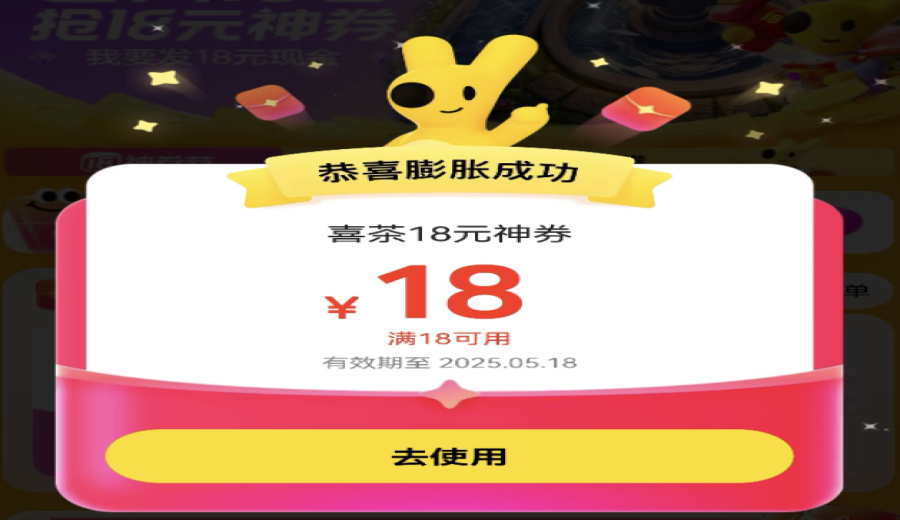
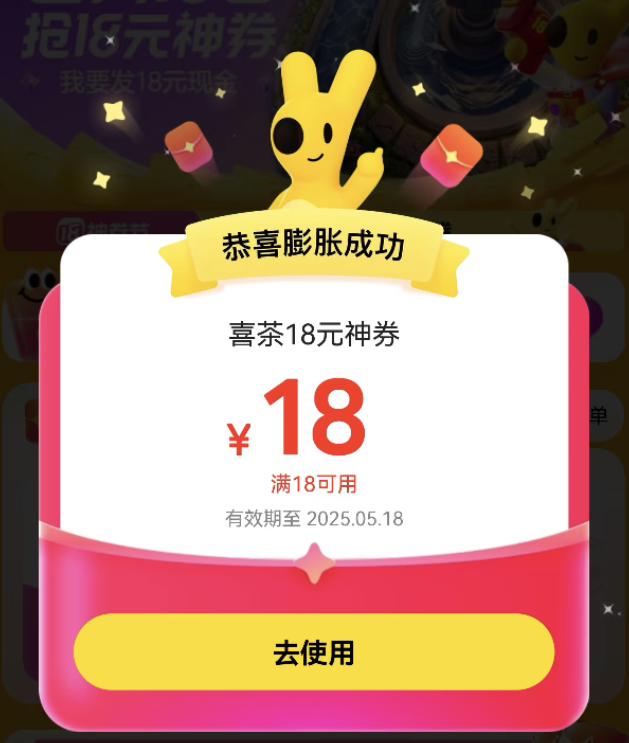
The competition among delivery platforms' subsidies has intensified, with large discounts continuously rolled out, attracting numerous consumers to rush for deals. However, this has also placed unprecedented pressure on outlets to prepare and serve orders. Recently, Meituan issued a substantial discount coupon for Heytea that could be expanded to “18-18”. A drink that originally cost around twenty-plus yuan was discounted to just a few yuan, and when combined with other red packet offers, it became almost free. Once this offer was launched, it quickly sparked a buying frenzy online.
Upon learning about this discount, consumers not only snapped it up themselves but also actively shared it with friends and family, resulting in a sharp spike in Heytea orders across many regions nationwide in a very short time. Many people not only ordered their regular favorites but also placed bulk orders for products from nearby stores, hoping to take advantage of this rare discount opportunity. However, this surge in orders was not accompanied by a corresponding expansion in delivery and production resources, instead throwing the entire supply chain into chaos.
Many orders experienced delays in preparation, long periods without being accepted, or even situations where no riders were available for dispatch. Consumers who had expected to receive their drinks quickly often ended up waiting over an hour without seeing their orders arrive. Some orders were delayed by two to three hours, and in extreme cases, waited more than five hours while the system still showed “preparing.” This left consumers unable to cancel their orders or receive timely responses, significantly degrading their experience.
It is understood that some Heytea outlets, overwhelmed by a sudden influx of orders, were unable to prepare ingredients in time and faced a severe shortage of staff, ultimately having to temporarily shut down until the backlog of orders was cleared before reopening. While such temporary measures were unavoidable, they represented a realistic response to sudden peaks in order volume.
Meanwhile, the pressure on frontline employees reached its peak.Shortly after business hours began, the number of pending orders in the system quickly accumulated to several hundred or even thousands.One employee revealed that on the day the promotion started, business began at 10 a.m., and within just five minutes, the number of delivery orders had shot up to eighty. The orders kept piling up, eventually reaching a staggering total of over 1,600 orders at one point. Faced with such an enormous workload, employees could hardly find time to rest, and even basic breaks for meals and water became difficult to secure.
During the order explosion, employees not only had to deal with constantly urging customers and riders but also had to quickly identify and process each order amid continuous system alerts warning that “pre-scheduled orders are about to time out.”The system kept issuing relentless automated reminders, such as “Meituan Delivery *** number pre-scheduled order is almost due—please prepare the items—please reprint the receipt if it’s lost”, further heightening the tension of the work pace. One Heytea employee described it as, “Every day, starting work feels like being a rooster forced to crow early and scream nonstop. From morning to night, there’s no time to catch your breath.”
Even after enduring a day of intense work, employees couldn’t relax, as new product launches, holiday promotions, and other events followed one after another. Especially promotions like “buy one get one free” or first-week discounts for new products often triggered another wave of order surges, leaving employees to exclaim, “This milk tea—there’s just no end to shaking it.”
This order explosion storm triggered by delivery subsidies highlights the fragility and challenges the tea beverage industry faces when confronted with sudden surges in traffic. For consumers, while the discounts are tempting, it’s also important to understand the limitations of the supply chain behind them. For industry professionals, finding a balance between promotions and operational stability will be a crucial issue to address moving forward.
The above content is compiled by CoffeeHunters, a coffee news website.


