








Introduction:To brew an ice pour-over coffee with rich flavors, the key lies in precisely controlling the coffee-to-water ratio, water temperature, and pouring technique. This article will delve into the core differences between ice pour-over and hot pour-over, revealing why adjustments to grind size and water volume are necessary. It also shares tested parameters for both medium-light and dark roasted beans, including dosage, water temperature, ice amount, and filter choice. Through a detailed three-stage pouring method, you’ll learn to brew an ice pour-over with a vibrant, juicy profile—solving the common issue of weak flavor.
During the summer heat, a cool yet layered ice pour-over coffee becomes the go-to refreshment for many coffee lovers. However, many who try it at home often encounter issues like weak flavor or a flat taste. To resolve these problems, it’s crucial to understand the differences between ice pour-over and traditional hot pour-over, especially the delicate balance between concentration and extraction yield.
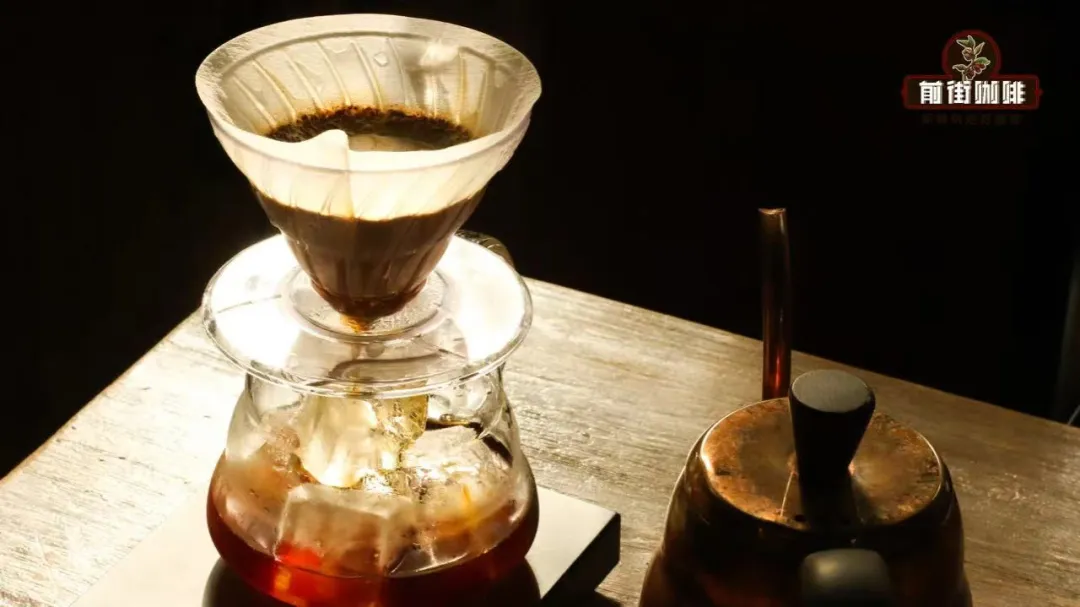
While ice pour-over may seem like simply replacing hot water with cold, the technique actually involves very different considerations. First, adding ice rapidly cools the brew but also dilutes the concentrate. Without adjusting other parameters accordingly, the final cup can easily end up lacking in flavor or suffering from sour and astringent imbalances.
To maintain proper concentration, ice pour-over typically reduces the total volume of hot water poured, while adjusting grind coarseness and pouring techniques to ensure the extraction yield falls within the ideal range. In short, the goal is to release just the right amount—not too much—of flavor compounds from the coffee grounds, achieving a clean and balanced taste.
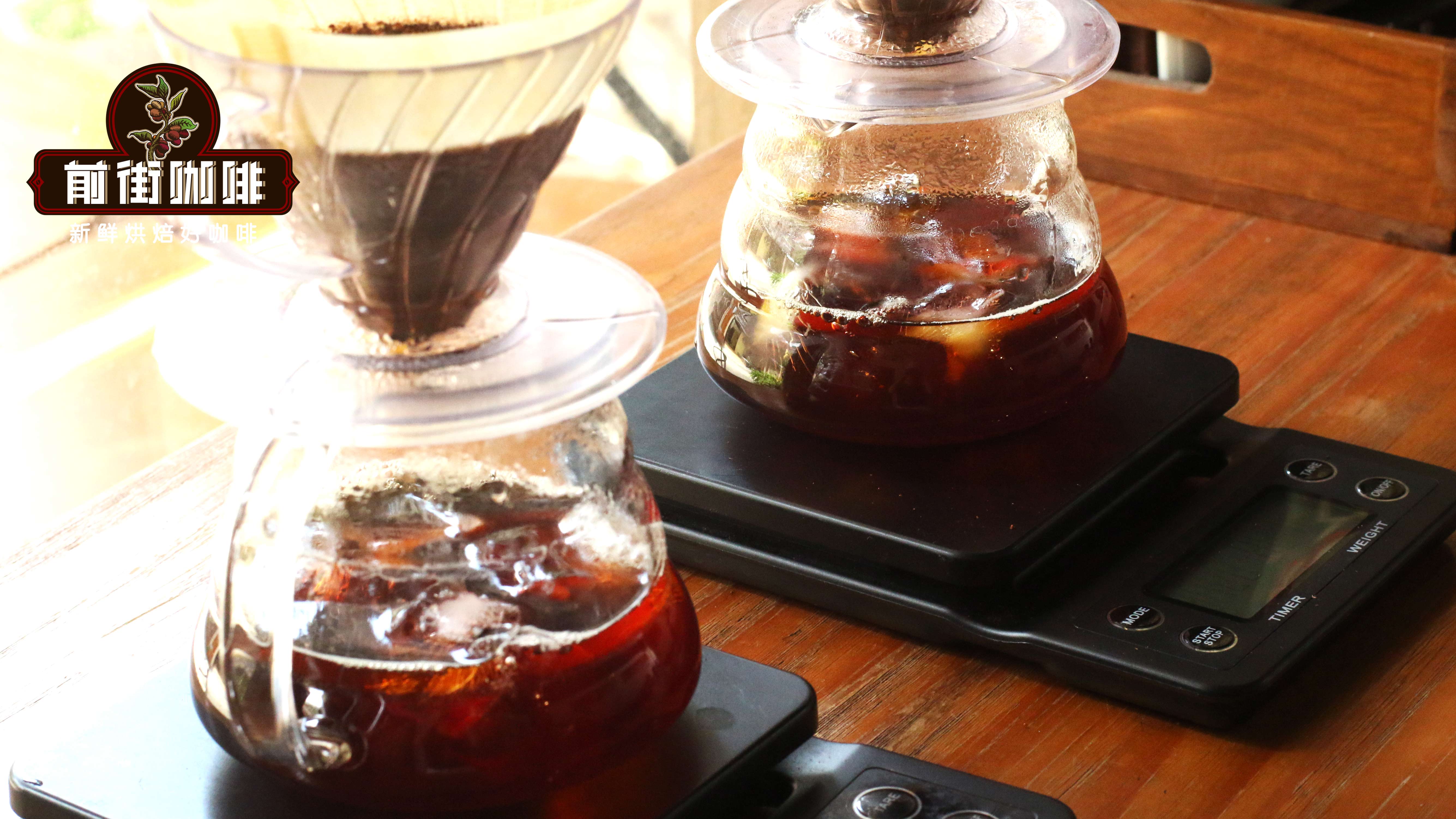
Specifically, for the coffee-to-water ratio, ice pour-over generally uses a standard 1:10 ratio, meaning 1 gram of coffee to 10 milliliters of water. Combined with an appropriate amount of ice, this helps maintain flavor strength while cooling the brew. For example, using 15 grams of coffee powder, the recommended total water volume is 150 milliliters, plus about 120 grams of ice, resulting in a refreshing yet full-bodied taste after extraction.
Regarding filter choice, the V60 is the most common and beginner-friendly option, with a flow rate design that helps control extraction time. If you prefer a fuller body, you might also try the Kono filter, which enhances richness. For water temperature, medium-light roasted beans are recommended at 92°C, while dark roasted beans can be lowered to 90°C to avoid over-extraction and bitterness.
Beyond the basic parameters, adjusting grind size is also one of the keys to successful ice pour-over. It’s generally advised to grind to a fineness close to that of granulated sugar—for example, setting an Ek43 grinder to level 9 (with a 20-mesh sieve passing rate of about 80%)—to increase the contact surface between coffee grounds and water. This helps release more flavor in a shorter extraction time.

Take “Frontier Estate · Geisha” as an example. This popular bean variety excels at showcasing rich fruitiness and juice-like characteristics, making it highly suitable for ice pour-over. Tested parameters are as follows: 15 grams of coffee, 1:10 ratio, 120 grams of ice, grind fineness similar to granulated sugar, 92°C water temperature, and using a V60 filter. The process begins with pouring 30 milliliters of hot water for a 30-second bloom, which helps release CO₂ from the coffee grounds and facilitates the dissolution of subsequent flavor compounds.
After the bloom, pour the remaining 120 milliliters of hot water in three even stages, about 75 milliliters each. It’s recommended to use a low water flow and slowly circle inward, waiting for the liquid in the filter to completely drip through after each stage. This extends the overall extraction time, with a total brew time of around 2 minutes—similar to regular hot pour-over.
Once all the liquid has dripped through, remove the filter and gently swirl the cup before enjoying. This Geisha ice pour-over typically presents intense notes of grape, passion fruit, apricot, along with subtle floral aromas. The taste is refreshing and well-layered, perfect for a hot afternoon.

For dark roasted beans, the same method can be followed, but adjust the grind to Ek43 level 10, lower the water temperature slightly to 90°C, and switch to a Kono filter to enhance body and roundness. No matter which roast level you choose, remember to fine-tune parameters based on the bean’s characteristics to achieve the best possible flavor.
In summary, although ice pour-over may seem straightforward, brewing a coffee with depth and layered complexity still requires mastering the synergy of coffee-to-water ratio, temperature control, grind fineness, and the three-stage pour. By following the tested parameters and steps above, even beginners can easily craft café-quality ice pour-over coffee at home.
The above content is compiled by CoffeeHunters, a coffee news website.


