







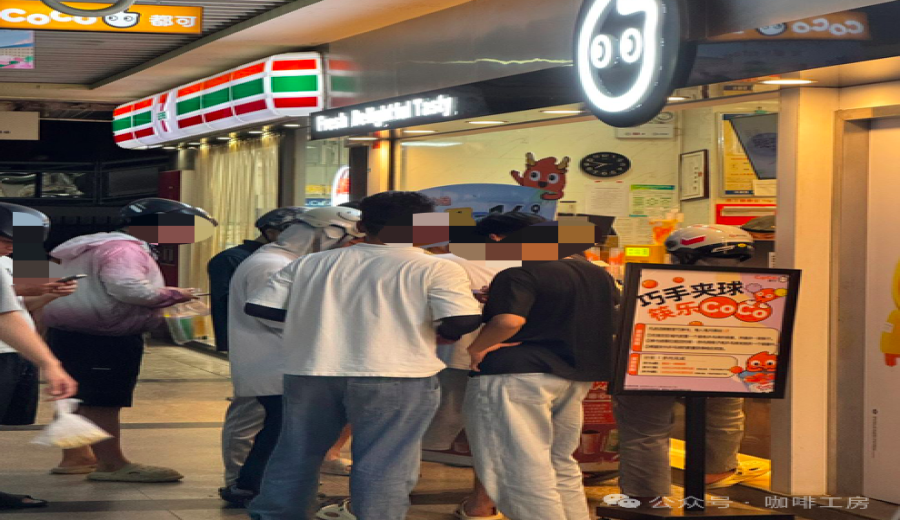
Introduction:When a food delivery platform suddenly offered a subsidy that slashed the price of bubble tea from 9.9 RMB to 1.9 RMB, what appeared to be a customer-friendly marketing campaign quickly turned into a supply chain disaster within hours. From overwhelmed staff scrambling to prepare drinks, to riders clashing over orders, and customers receiving products that didn’t meet expectations—we dissect the operational flaws behind the incident and offer practical advice for bubble tea businesses facing sudden surges in order volume.
A poorly coordinated subsidy initiative by the food delivery platform plunged CoCo bubble tea outlets across the country into operational crisis. Four popular drinks, originally priced at 9.9 RMB, were unilaterally reduced to 1.9 RMB by the platform, leading to an explosive surge in orders. Some stores received an hourly order volume equivalent to half a day’s worth of regular business. With no prior notice, staffing and raw material inventories were based on normal traffic levels. Faced with this sudden tidal wave of orders, in-store production processes quickly collapsed.
According to feedback from on-site staff, the system backend was flooded with hundreds of orders within just a few minutes, yet many stores were manned by only one or two employees. Confronted with a never-ending stream of order slips spitting out from the receipt printer, staff had to urgently call in extra hands, even temporarily halting the preparation of other drinks to focus solely on subsidized items. Even so, some outlets, unable to cope, proactively disabled order-taking on the platform—only to spark customer accusations of “intentionally refusing orders.”
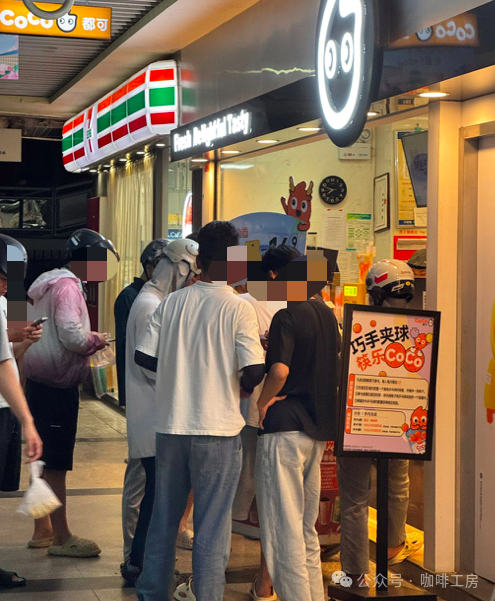
The delivery process also faced severe challenges. Many riders arrived at stores only to find that drink preparation was severely delayed. Some couriers advised customers to cancel their orders voluntarily, and online videos even showed multiple delivery personnel arguing over who got priority access to pickups. Notably, the extreme pricing strategy of the subsidy campaign—offering drinks at just 1.9 RMB, merely 19% of the original price—was far below the typical discount range seen in the tea beverage industry (usually maintained between 50%–70%). This extraordinary level of discounting directly disrupted the supply-demand balance.
Customer experience was also negatively impacted. Due to the surge in orders, some deliveries resulted in incorrect items, missing ingredients, or excessively long wait times. Although the platform initiated a compensation mechanism for delayed or free orders, the overall decline in service quality damaged brand reputation. Industry experts pointed out that this case exposed collaboration flaws among the food delivery platform, store operations, and logistics: the platform launched subsidies without assessing store capacity, stores lacked contingency plans for sudden traffic spikes, and the delivery process had no priority management mechanism in place.
For bubble tea businesses facing similar order surges, practical recommendations include: promptly implementing phased order acceptance limits, improving ingredient flexibility for best-selling items, establishing emergency communication channels with the platform, and training staff to quickly prioritize orders. For long-term operations, regularly simulating high-traffic scenarios through stress testing and developing dynamic inventory restocking strategies can effectively reduce operational risks caused by unexpected events.
The above content is compiled by CoffeeHunters, a coffee news website.


