







Introduction:Want to brew Ethiopian Yirgacheffe at home with clear and distinct floral notes? This article delves into the key factors that influence coffee’s floral aromas—from variety, altitude, processing method to roasting—to help you choose the right beans. At the same time, we share a practical three-stage variable-temperature pour over method, using Yirgacheffe · Gedeb Guji as an example, providing complete guidelines on coffee-to-water ratio, water temperature control, pouring technique, and timing, so you can easily recreate its charming white floral, citrus, and berry profiles.
Floral notes in coffee always captivate people effortlessly and are often the first inspiration that draws many into the world of specialty coffee. However, consistently extracting clear and enchanting floral aromas using a home pour over setup is not an easy task. Aside from selecting beans with floral characteristics, it's essential to master the details during brewing to avoid losing or masking those floral notes due to high temperature or over-extraction.
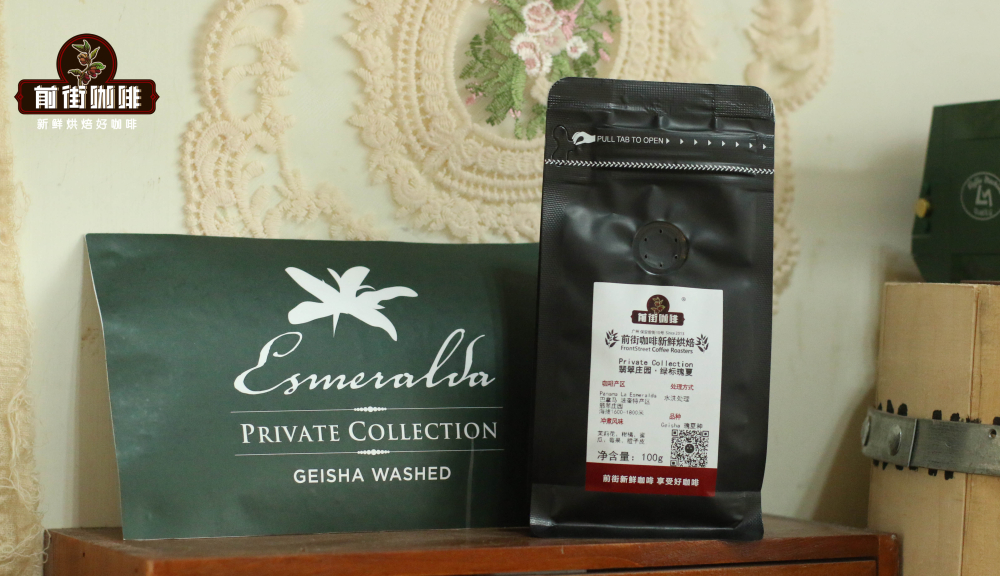
Among these factors, coffee variety is the primary determinant of whether a bean has the potential for floral expression. Take the renowned Ethiopian heirloom Geisha (variety code T2722) as an example—it naturally contains a rich profile of terpenes, the organic compounds that are the main sources of floral scents such as rose and jasmine. As a result, Geisha beans are often regarded as representatives of the "flavor garden."
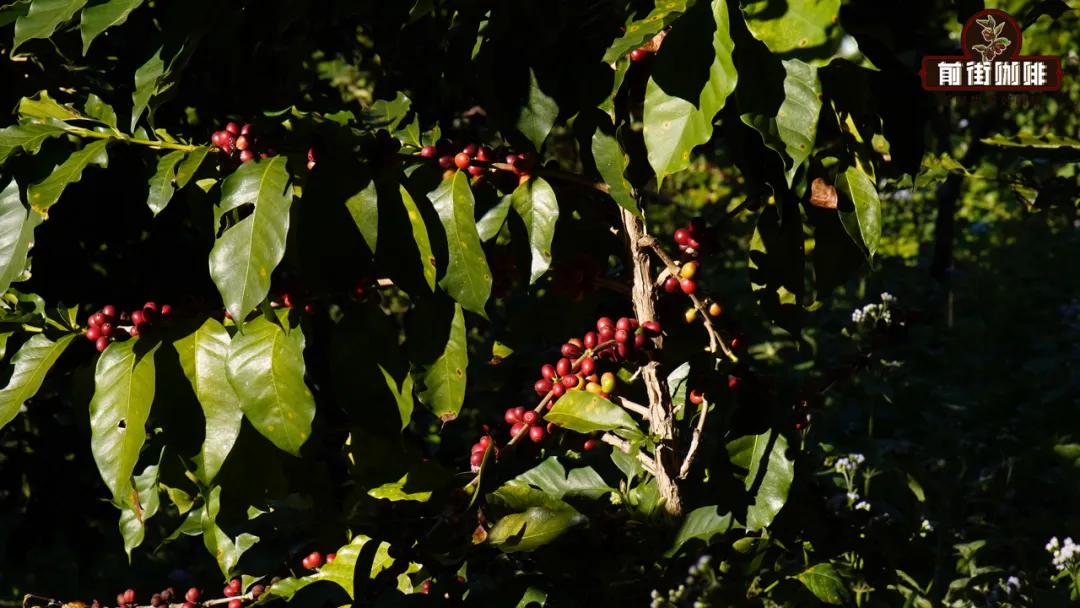
In addition, altitude is another key factor influencing a coffee’s flavor profile. Coffee trees grown at high altitudes benefit from significant day-night temperature variations: strong photosynthesis during the day and suppressed metabolic activity at cooler night temperatures encourage the accumulation of more small-molecule aromatic compounds in the coffee cherries, thereby enhancing floral and fruity expressions. When paired with suitable processing methods and moderate roasting, these delicate flavors can be further highlighted.
Among the many producing regions, Ethiopia’s Yirgacheffe is celebrated for its unique floral, citrus, and tea-like characteristics. In particular, the Gedeb Guji beans are considered by many pour over enthusiasts as a floral masterpiece. If you want to consistently highlight floral flavors, it’s recommended to start with beans that exhibit pronounced floral notes.
However, having good coffee beans alone is not enough. To ensure these floral notes are vividly presented in the cup, the brewing method plays a crucial role. According to research by biologist Dr. Lockhart and consultants from the Specialty Coffee Association of America (SCAA), the extraction rate of coffee flavor compounds is closely related to molecular size and polarity. Generally speaking, small-sized, highly polar molecules—such as those responsible for floral aromas—extract quickly but are also prone to being released or dissipated early in the brew.
For this reason, using excessively high water temperatures or overly intense extraction methods may cause floral notes to dissipate or be overpowered by other strong flavors before they can be fully appreciated. Therefore, a stable and refined variable-temperature pour over strategy can more effectively draw out and preserve these precious aromatic compounds.
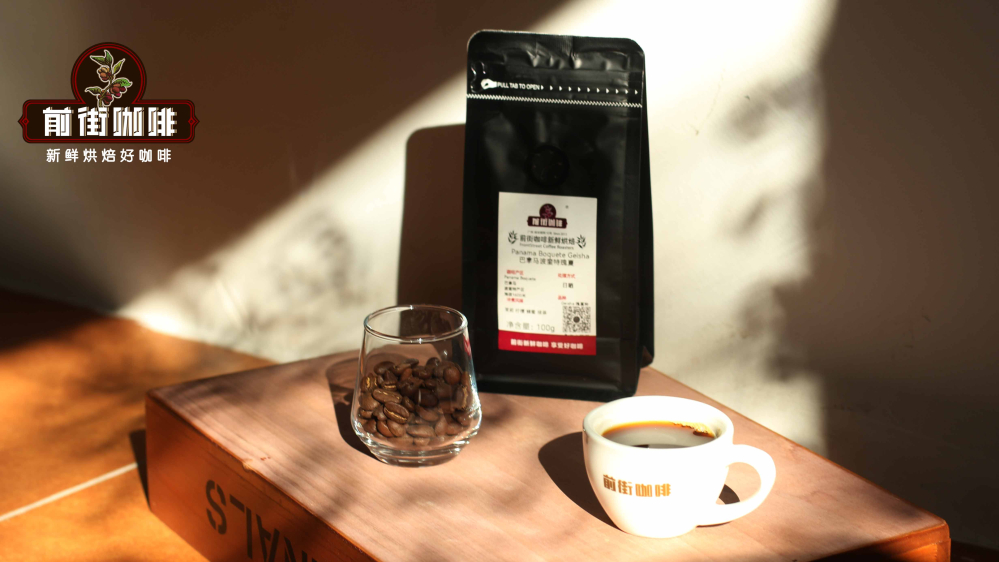
The three-stage variable-temperature pour over method proposed by 2022 World Barista Champion Sherry is a practical strategy specifically designed to enhance floral expression. This method divides the entire brewing process into three stages, each using a different water temperature:First stage (bloom) at 80°C, second stage (main extraction) at 95°C, third stage (finish) at 80°C. Through precise temperature control and segmented pouring, it effectively balances flavor release and allows floral notes to linger longer in the brewed coffee.
Specifically, the first stage uses 80°C water for blooming. Its primary purpose is to suppress the rapid release of CO₂ from the coffee grounds, retaining more carbon dioxide and thus slowing down the initial release of highly polar flavors (such as floral notes) to prevent premature dissipation. Though this step may seem simple, it can significantly improve the retention of floral aromas in later stages. For blooming, it is recommended to pour about twice the weight of coffee grounds in hot water. Using 15 grams of coffee as an example, pour 30 milliliters and maintain the bloom for 30 seconds.
Moving on to the second stage, increase the water temperature to 95°C, which serves as the core extraction phase. Use a moderate flow rate with a wide circular pouring motion, aiming for a total water volume of 130 milliliters. This enhances extraction efficiency, compensates for substances not fully released during blooming, and effectively highlights a range of flavor molecules—including floral notes. Be sure to maintain an even water flow during pouring to avoid channeling caused by overly concentrated streams.
Finally, in the third stage, reduce the water temperature again to 80°C, and pour approximately 65 milliliters of water. The goal of this stage is to dilute the coffee concentration, allowing all released flavors to balance and unfold more harmoniously. It’s recommended to use a small stream of water with a center-circling motion to avoid over-extraction and the resulting bitterness or off-flavors. Once all the water has completely dripped through the filter, you can remove the filter and conclude the pour over process.
If you only have one pour over kettle at home, don’t worry. You can still execute this variable-temperature strategy by using pre-heated 80°C water for the blooming stage, and quickly adding cold water to the kettle after the second stage to lower the temperature. The overall recommended coffee-to-water ratio is 1:15, with a grind size roughly equivalent to the 9.5 setting on the Ek43 grinder, or 80% extraction through a #20 sieve—similar in coarseness to fine sugar.

When actually brewing Yirgacheffe · Gedeb Guji using the above parameters, you can clearly perceive bright white floral aromas (like jasmine and orange blossom), a crisp citrus acidity with red berry notes on the palate, and a lingering hint of elegant oolong tea in the finish. The overall cup is clean, smooth, and well-layered. This performance is made possible by the variable-temperature strategy’s precise handling of floral aromas and fruit acids.
In summary, if you want to brew Yirgacheffe with captivating floral notes at home, every step—from bean selection to water temperature control and pouring technique—is crucial. Why not start with Gedeb Guji and pair it with this three-stage variable-temperature method to personally experience the layered expression of floral notes in coffee? We believe you’ll be able to brew your own floral coffee moment.
The above content is compiled by CoffeeHunters, a coffee news website.


