







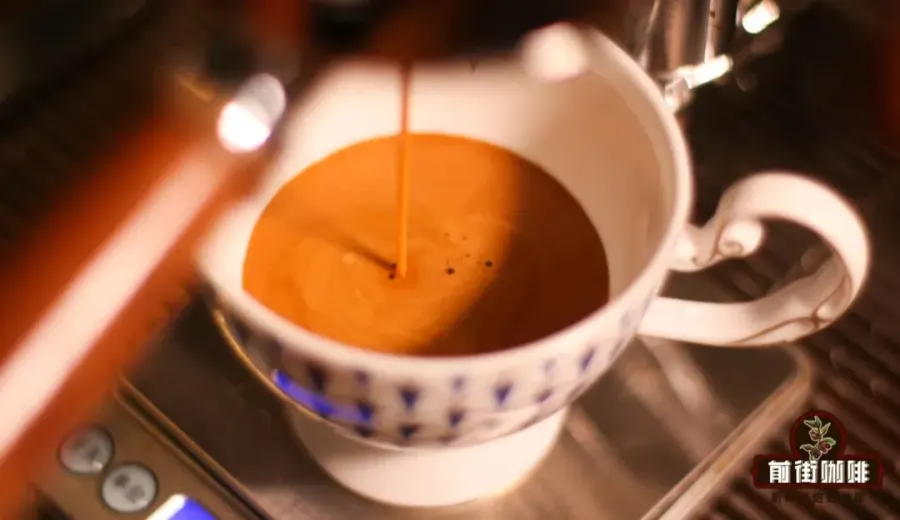
Introduction:During the espresso extraction process, issues such as water pooling in the portafilter basket, an unformed coffee puck, crema rapidly hardening, or the appearance of tiger striping on the surface often puzzle baristas. These phenomena not only affect the visual appeal but also reflect imbalances in extraction parameters. This article delves into key factors such as dose, grind size, coffee bean freshness, and fine particle distribution, helping you assess extraction uniformity from the condition of the coffee puck, clarify the relationship between crema clumping and bean maturity, debunk myths about tiger stripes and over-extraction, and make precise adjustments to enhance the stability of espresso quality.
Have you ever noticed a significant amount of water remaining in the portafilter basket during espresso extraction, with the puck being wet and soft and failing to hold its shape? Or perhaps the crema initially looks rich but quickly solidifies, impairing latte art and even displaying black tiger-like streaks on its surface? These anomalies all stem from specific causes, and understanding them can help you more precisely control the extraction process, ensuring consistent quality in every shot of espresso.
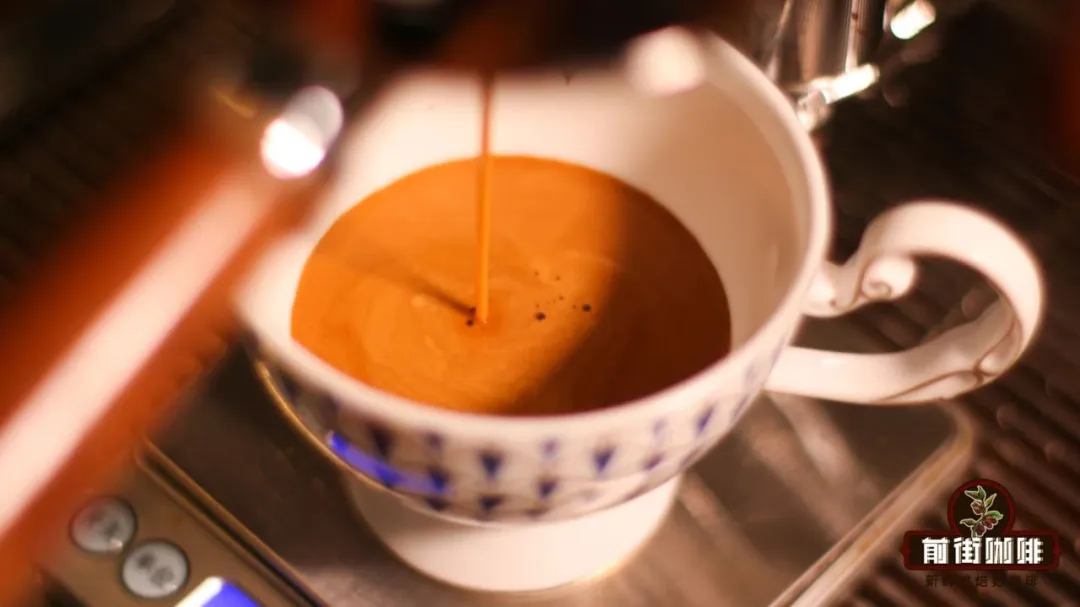
This article will focus on four common issues: water pooling and loose puck, an incomplete or unformed puck, crema clumping, and tiger striping. By examining variables such as dose, grind size, coffee bean degassing status, and fine particle distribution, we’ll break down the underlying principles step by step and provide practical adjustment suggestions to help you identify the root causes and optimize extraction parameters.

The issues discussed below have been covered in detail in separate articles previously. Here, we’ll provide a concise recap while retaining links to those comprehensive articles for further reading. If you’re facing a specific issue, feel free to click through for a complete analysis.
Common Issue 1: Why is there water pooling in the portafilter basket after extraction, with the puck being wet and unformed?
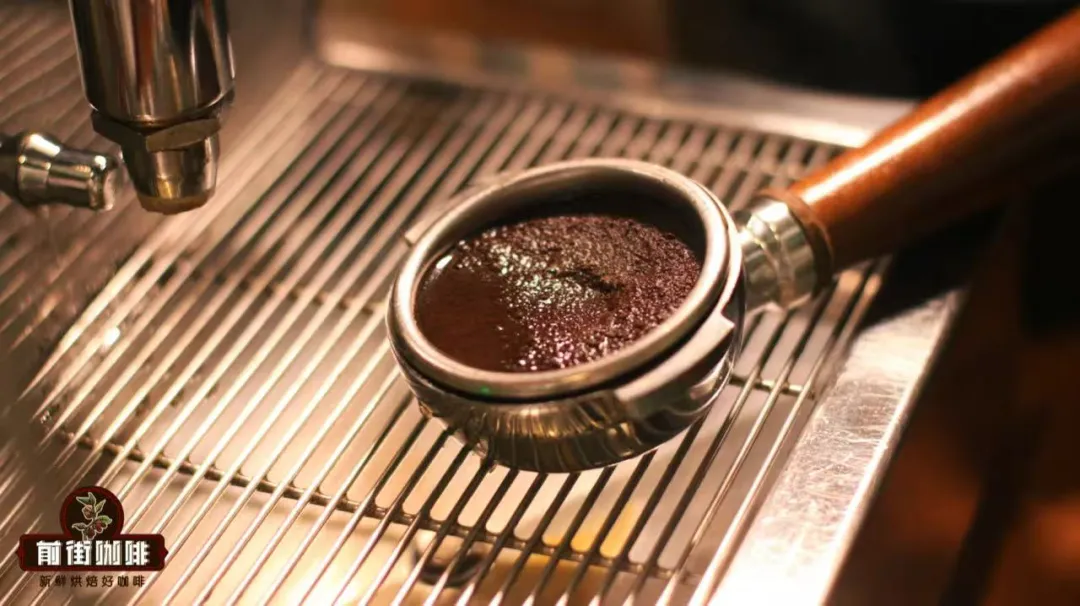
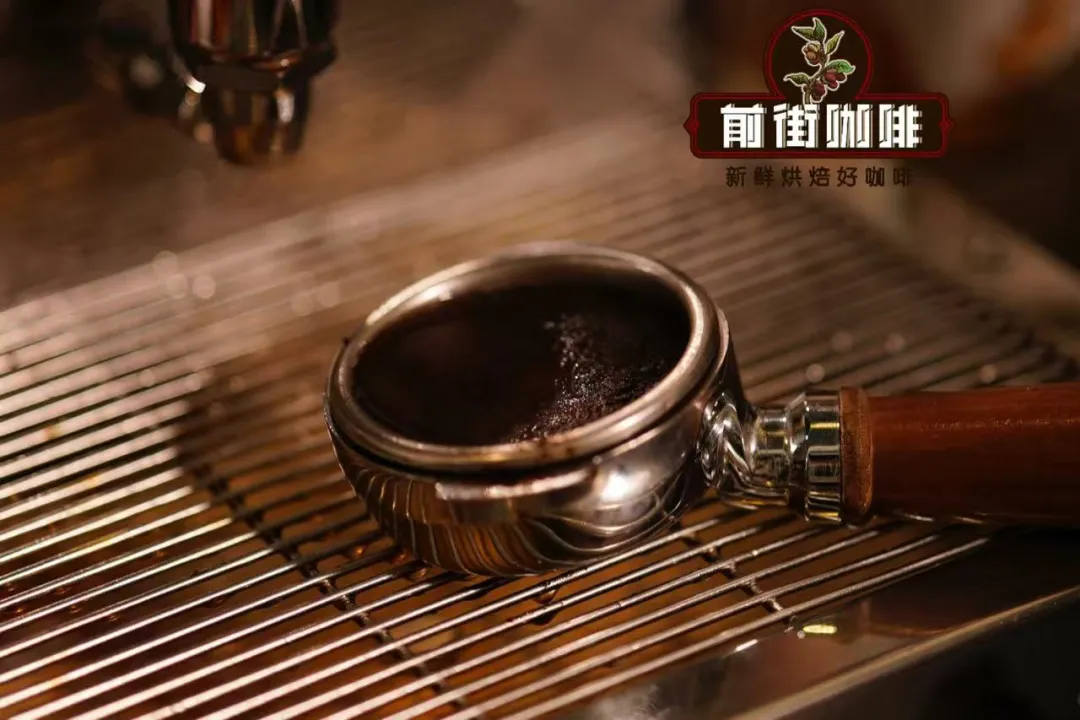
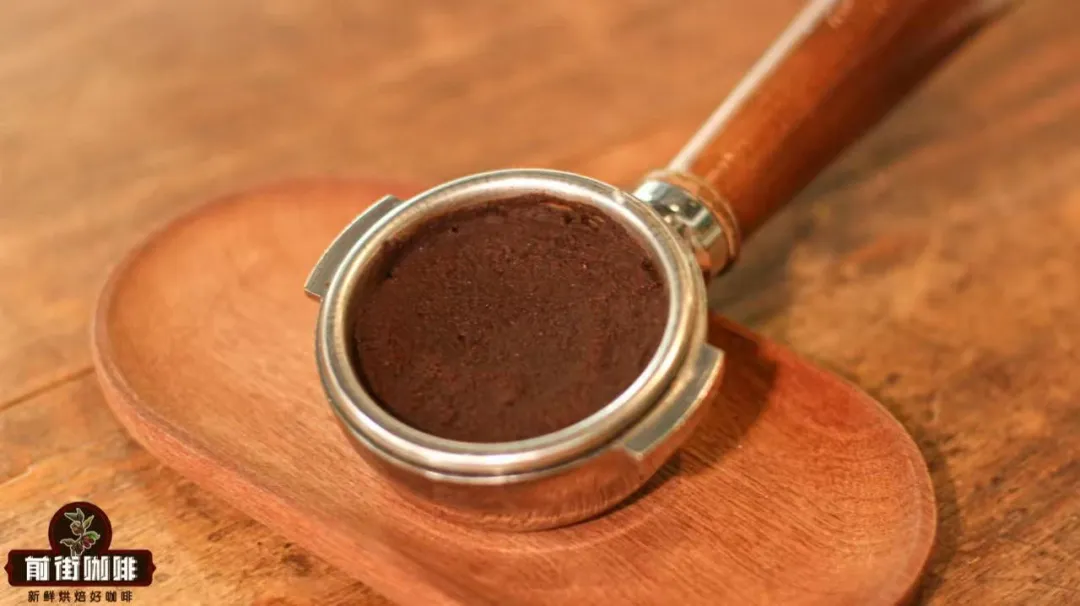
Under normal circumstances, when you remove the portafilter after espresso extraction, the puck should appear relatively dry and have a compact structure. However, sometimes you may find a significant amount of water retained in the basket, with the puck being damp, loose, and falling apart with just a light tap.
This phenomenon is often related toinsufficient dose.If the actual amount of coffee used is much lower than the portafilter basket’s recommended capacity, a large gap forms between the puck and the brew head, requiring more hot water to initiate effective extraction. As a result, the vacuum pressure at the end of extraction cannot fully draw out the residual water in the basket, causing water retention and preventing the puck from forming properly.
Another common cause isexcessively fine grind.When coffee particles are too fine, they significantly increase the resistance of the puck, slowing down water penetration. Once the extraction time is prolonged, some water may be expelled during the pressure release phase before fully passing through the coffee bed, resulting in a soggy and unstable puck with excessive moisture content.It is recommended to adjust the dose appropriately according to the portafilter basket type and visually and tactilely assess whether the grind size is suitable.
Common Issue 2: What does an incomplete or unevenly colored puck indicate?
The integrity and uniformity of the puck are important indicators of extraction effectiveness. After extraction, if the removed puck has numerous small holes, a loose structure, and noticeable color variations across different areas, it usually signifies channeling during extraction.
These small holes are actually pathways where water has concentrated and passed through. Because the water did not evenly penetrate the entire coffee bed, some areas were not sufficiently saturated, leading to poor internal connectivity within the puck and making it prone to cracking or falling apart when removed. Additionally, significant color disparities also indicate uneven extraction. Normally, coffee puck colors may vary slightly by zone but should not differ drastically.If you notice a fractured puck structure or significant color differences, it is advisable to check the evenness of coffee distribution, the tamp pressure, and the grind fineness to reduce the occurrence of channeling.
Common Issue 3: Why does crema from freshly roasted coffee beans tend to clump?
The crema (cream layer) formed after espresso extraction should be fine and smooth, contributing to latte art and flavor presentation. However, sometimes you may find that although the crema initially looks rich, it quickly becomes hard and loses fluidity, affecting both handling and taste.
This is primarily related tocoffee beans being too fresh.Freshly roasted beans contain a large amount of carbon dioxide, which is released as tiny bubbles during extraction. These bubbles mix with coffee lipids to form what appears to be a rich crema. However, due to the high proportion of carbon dioxide, there are relatively fewer lipids encapsulating the bubbles, causing the bubbles to burst quickly and the crema structure to collapse, resulting in hard clumping.
The solution is simple: allow the coffee beans to rest for 3 to 10 days (depending on roast level) to let the carbon dioxide dissipate naturally before extraction. This way, the crema will not only be fine and smooth but also deliver a richer flavor.Observing the fluidity and texture of the crema can serve as an important reference for determining the optimal extraction timing.
Common Issue 4: Do tiger stripes indicate over-extraction?
Sometimes, distinct black stripes resembling tiger patterns appear on the crema layer of espresso. Many assume this is a sign of over-extraction. However, these stripes are not caused by burnt lipids but rather by extremely fine coffee particles remaining in the portafilter basket being pressed out and surfacing in the crema.
Although espresso machine baskets have filtering capabilities, their precision is not as high as that of paper filters. In addition to coffee liquid, some fine particles and lipids may also pass through the filter holes. When the grind is overly fine, not only are more fine particles generated, but the puck resistance also increases, prolonging extraction time and causing more microscopic particles to be squeezed into the crema layer. Additionally, if the coffee is shaken too vigorously during distribution, extremely fine particles tend to settle at the bottom of the basket and can be easily extracted.
The appearance of tiger stripes does not necessarily mean over-extraction, but excessive fine particles can intensify the perception of bitterness, often leading drinkers to mistakenly believe the shot is over-extracted.It is recommended to adjust the grind size to a moderate fineness and use gentle tapping or rotating motions when distributing the coffee to avoid excessive shaking that leads to fine particle settling.
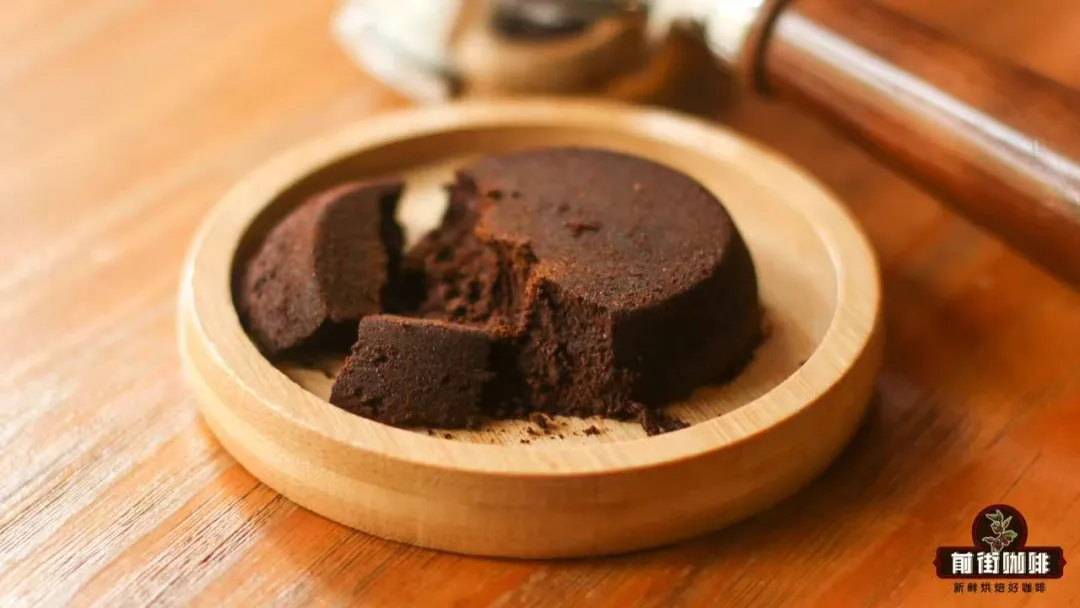
Summarizing the above four common extraction anomalies, we can use clues such as puck condition, crema texture, and surface patterns to identify variables in the extraction process, and then adjust dose, grind size, and bean freshness to ensure that every extraction yields a stable and high-quality espresso shot.
If you encounter other issues in practice, feel free to explore and experiment further to find the extraction parameter combination that works best for you.
The above content is compiled by CoffeeHunters, a coffee news website.


