







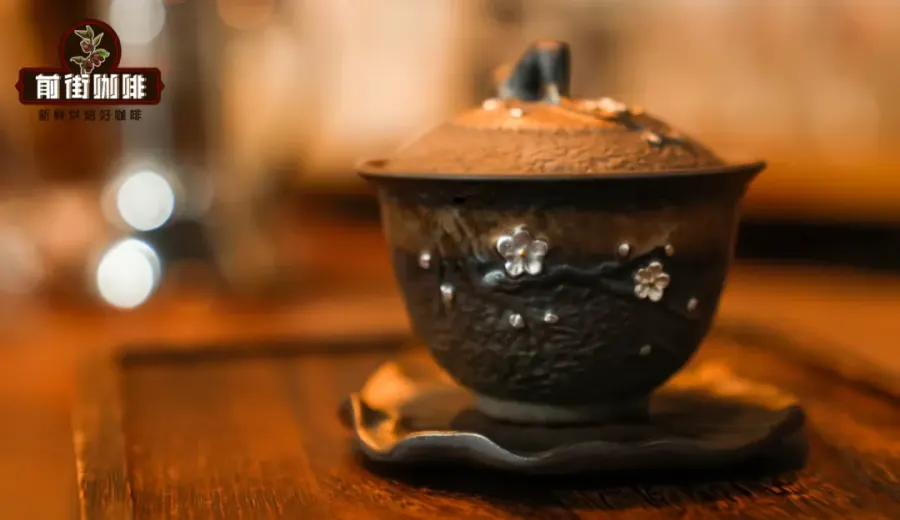
Introduction:A gaiwan isn’t just for tea—it can actually be used to brew coffee too!This seemingly niche brewing method is actually in the same immersion category as the French press and clever dripper. As long as you master the key parameters, you can easily brew a cup of coffee with clear layers and rich flavors. This article uses a real brewing example to explain in detail factors such as coffee-to-water ratio, grind size, water temperature, and steeping time, teaching you how to use a gaiwan to consistently replicate the flavor profile of a French press. Even beginners can get the hang of it quickly.
In recent years, more and more coffee enthusiasts have been trying to brew coffee with a gaiwan. This creative way of turning a tea utensil into a coffee tool has gradually sparked discussions in the coffee community. Many people have the same question: “Can you really brew good coffee with a gaiwan?” The answer is yes!The gaiwan, like the French press and clever dripper, operates on the principle of immersion brewing. As long as you precisely control each parameter, not only can you successfully extract the coffee, but you can also achieve a rounded, mellow mouthfeel with rich layers.
Take the classic bean from Jade Mountain Estate · Natural Diamond Mountain as an example. This Honduran coffee bean is widely praised for its bright berry notes and rich chocolatey finish, making it perfect for practicing gaiwan extraction. As long as you follow the correct immersion conditions, you don’t need expensive equipment to easily replicate a smooth and multidimensional coffee experience similar to that of a French press.
What exactly makes a cup of coffee “tasty”? The key lies in balanced flavor and pure mouthfeel. An ideal extraction should showcase excellent harmony between acidity, sweetness, and bitterness, with distinct aroma layers and no off-flavors. It should feel smooth on the palate without astringency and leave a long, lingering aftertaste. To achieve this level of performance, whether using pour over, French press, or gaiwan, you must precisely control brewing parameters—such as coffee dose, water temperature, coffee-to-water ratio, grind coarseness, and steeping time—to influence the release ratio of soluble coffee substances and the overall concentration.
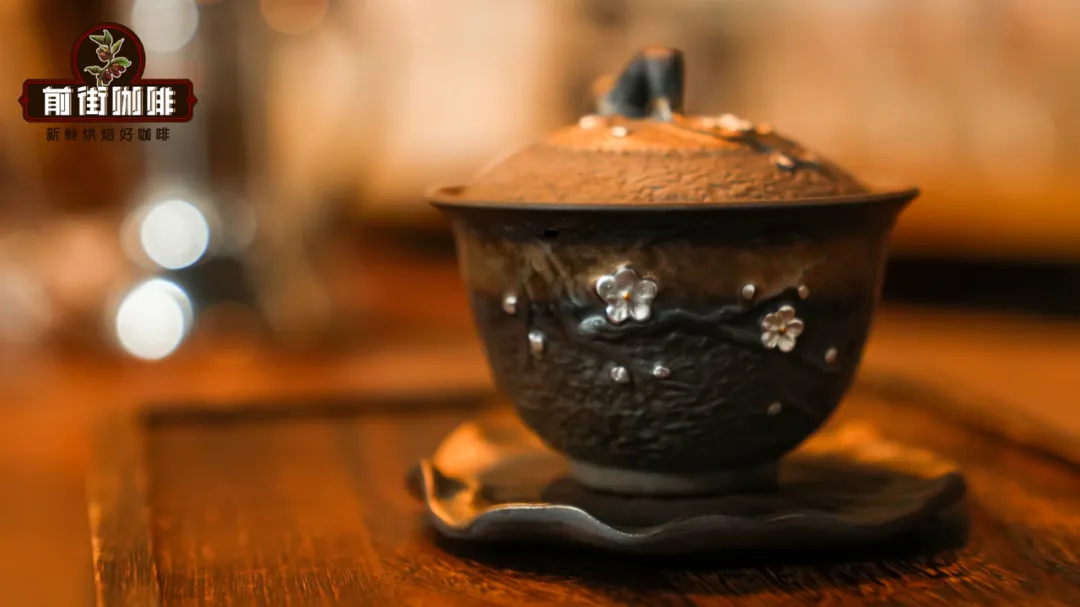
Although traditionally used for tea, the gaiwan’s three-piece design (lid, bowl, saucer) offers good sealability and heat retention, which happens to meet the needs of immersion brewing. Since it lacks a filter structure, it is fundamentally different from the French press, so special attention is still required for operational details—such as settling of the coffee bed and controlling the flow rate when pouring—which are key to the final mouthfeel.
The gaiwan used in this practical session has a capacity of about 200ml. We recommend keeping the coffee dose between 10–12 grams to maintain the golden coffee-to-water ratio of 1:15. We chose 12 grams of Jade Mountain Estate · Natural Diamond Mountain, paired with 180ml of hot water. The grind size is set to reference the 10-setting on an Ek43 grinder, roughly equivalent to the granularity of fine sugar with a 75% sieving rate through a #20 sieve—a grind size that effectively balances extraction speed and flavor expression.
The water temperature is recommended to be set at 96°C, within the high-temperature extraction range, which helps fully release the berry and citrus notes of this natural bean while enhancing the underlying chocolate and caramel flavors. The steeping time is set to a full 9 minutes, allowing the coffee grounds to fully expand and release flavor compounds, achieving optimal extraction efficiency and balance.
Before starting, preheat the gaiwan with hot water—pour about one-third of the bowl’s volume of hot water, swirl to rinse the inner walls, then discard the water. This step helps prevent heat loss of the coffee and improves extraction evenness. Then, add 12 grams of coffee grounds into the preheated gaiwan, followed by 180ml of 96°C hot water. Stir gently to ensure even saturation of the coffee grounds, then immediately start the timer for a preliminary bloom of 4 minutes.
When the timer reaches 4 minutes, it’s recommended to lightly stir the floating coffee grounds using the edge of the lid or a bamboo spoon. This action helps the coffee bed settle, promotes even water absorption across the grounds, and reduces the amount of coffee grounds released when pouring, resulting in a cleaner, clearer mouthfeel. After stirring, continue steeping until the full 9 minutes are up, then you’re ready to pour out the coffee.
When pouring, slightly offset the lid to leave a 2–3mm gap. Hold the rim of the bowl steadily with your thumb and middle finger, and lightly press the lid knob with your index finger. Slowly tilt the gaiwan to about 90 degrees, allowing the coffee liquid to flow out at a steady pace. If you’re worried about it being too hot, you can also choose to drink directly from the gaiwan—but be mindful of the temperature. When you notice a large amount of coffee grounds about to pour out, it means the extraction is nearly complete, and you can then return the gaiwan to an upright position and enjoy.
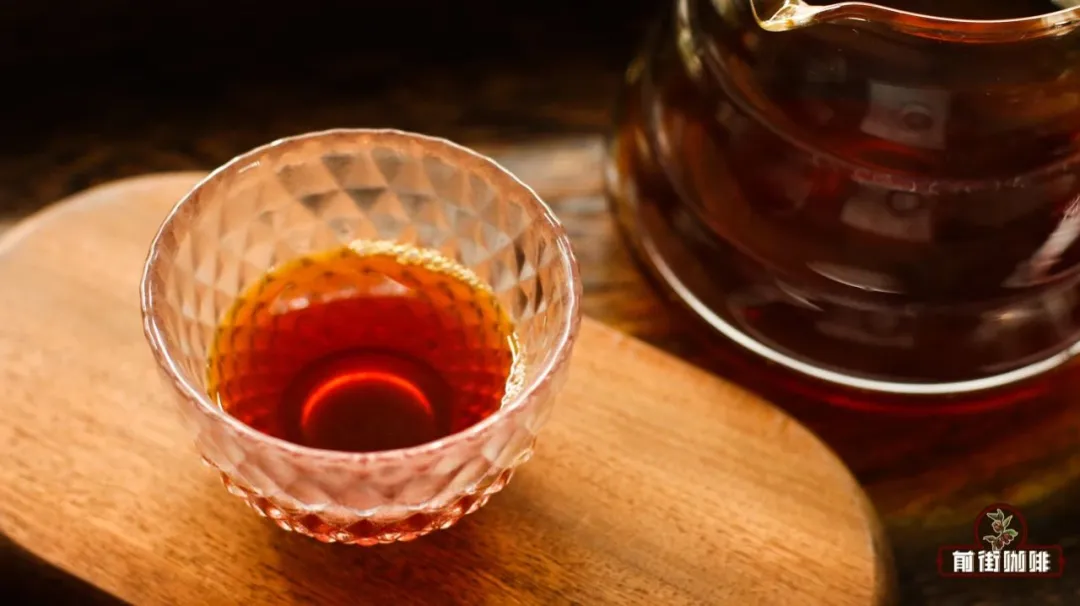
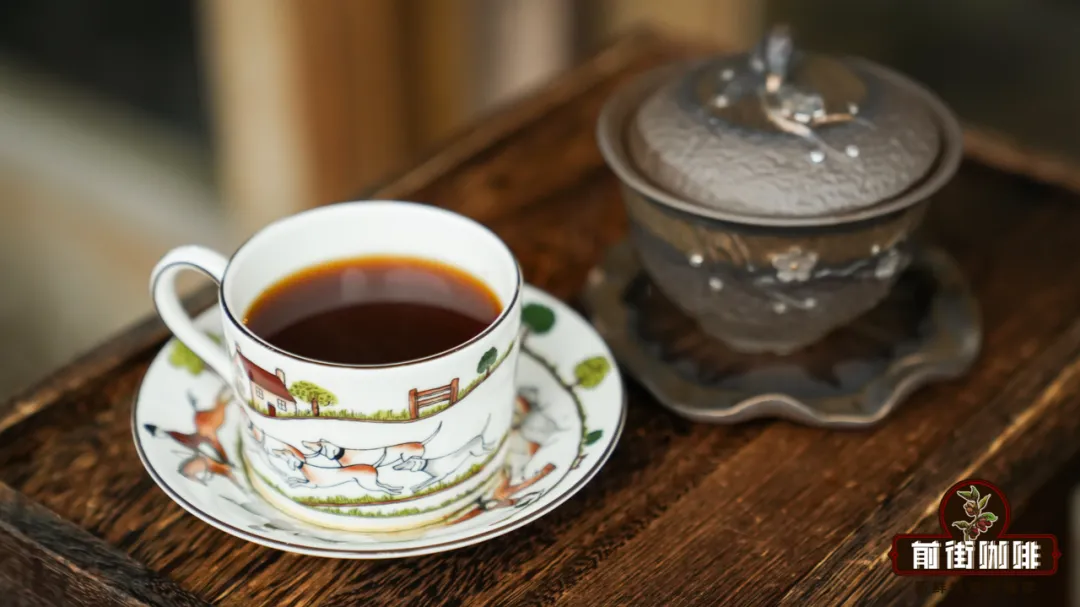
This cup of Jade Diamond Mountain brewed with a gaiwan showcases intense berry acidity and clear citrus notes, with a smooth mid-palate of chocolate and caramel, and a finish that carries a hint of oolong-like aftertaste and honey texture. As the temperature drops slightly, the sweetness becomes even more pronounced, with layers of apricot and stone fruit flavors becoming more distinct. The overall performance is almost indistinguishable from that of a French press, yet with a bit more handcrafted warmth and enjoyment.
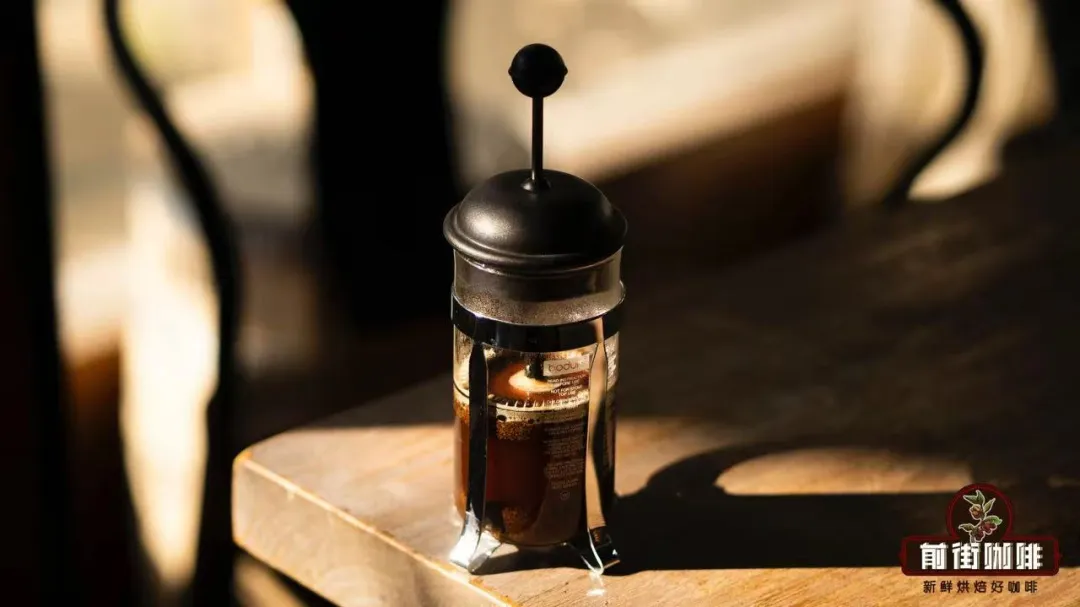
In summary, the gaiwan, as a non-traditional yet entirely viable coffee brewing tool, benefits from its immersion brewing characteristics, making it relatively approachable in terms of operation. As long as you master key elements such as coffee-to-water ratio, grind size, water temperature, and steeping time, you can consistently brew coffee with balanced flavors and rich layers. For coffee lovers who enjoy trying new brewing methods, why not challenge yourself to replicate French press flavors with a gaiwan and experience a different kind of coffee joy?
The above content is compiled by CoffeeHunters, a coffee news website.


