







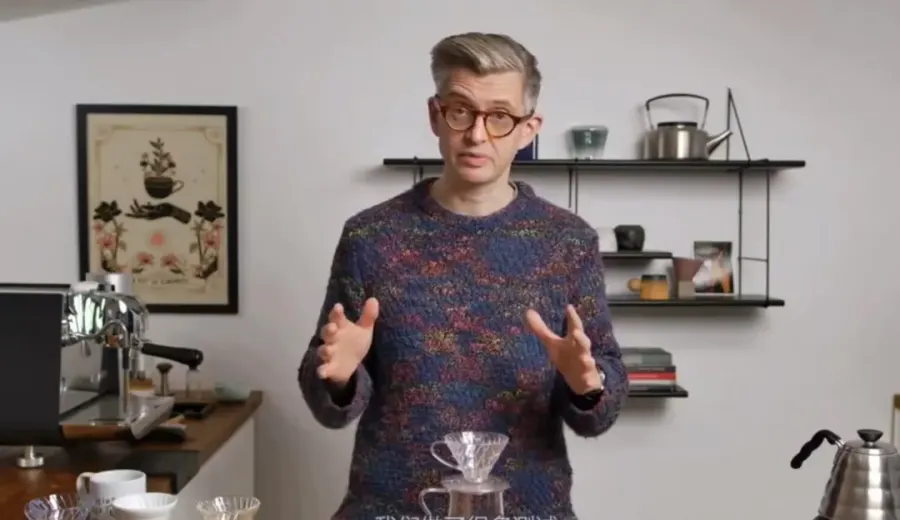
Introduction:This article provides a detailed guide to James Hoffmann's recommended V60 five-pour brewing method, combining segmented pouring with Lauro-style swirling to help coffee enthusiasts easily master stable extraction techniques. From parameter settings and grind selection to step-by-step operation, it explains how to enhance coffee sweetness and aroma through scientific segmentation, and shares real-world flavor performance to guide you in brewing layered specialty coffee.
James Hoffmann shared a highly praised V60 brewing recipe on his personal channel, which centers around dividing the total water volume into five equal pours, with Lauro-style swirling added at the first and last stages. Through multiple tests, this method not only has a low learning curve but also significantly improves flavor stability and complexity. Next, we’ll fully break down this well-received technique—from principles and parameter configuration to specific steps.
Why is the V60 five-pour brewing called the "ultimate solution"?
The reason this method is hailed as the ultimate V60 brewing solution lies in its simple yet efficient logic. First, the V60 dripper is recommended (of course, other drippers without bypass design also work). In his video, Hoffmann clearly states that dividing the total water into five pours and incorporating Lauro-style swirling—lifting the dripper and gently shaking to disrupt the coffee bed—at the first and last stages effectively optimizes extraction uniformity.
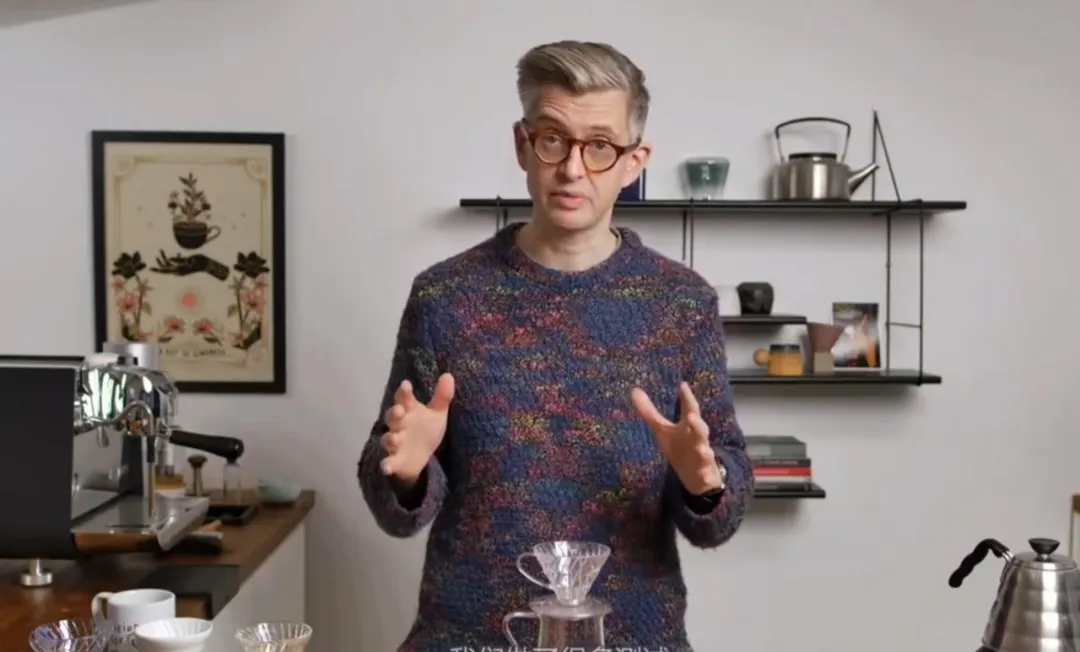
The advantage of segmented pouring is that each pour uses a smaller volume of water with short intervals, allowing the hot water to briefly accumulate in the dripper, creating an immersion-like effect, thereby reducing the demanding requirements for water flow control. The swirling at the beginning and end further promotes thorough coffee-water contact, ensuring more complete degassing and extraction, while eliminating the need for complicated coffee bed management. Even without a professional pour-over kettle, it’s easy to get started.
Detailed Practical Parameters and Steps
In Hoffmann’s demonstration, he used light-roast beans with parameters of 100°C water temperature, a 1:16.6 coffee-to-water ratio, and an extraction time of about 3 minutes. The grind size wasn’t disclosed but is presumed to be close to a medium-fine setting commonly used. Tests found that these settings, which focus on immersion with minimal stirring, are unlikely to cause over-extraction as long as the grind isn’t overly extreme, making them directly applicable for most scenarios.
For this guide, we’re using Costa Rica Miramar Strawberry Sugar beans as an example, with the following parameters: 16g of coffee grounds (adjustable proportionally), 1:15 coffee-to-water ratio, EK43 grind setting at 9.5 (75% through a #20 sieve, similar to coarse sugar, ~200 microns), 100°C water temperature, V60 dripper. Total water volume: 240ml, divided into five pours of 48ml each.
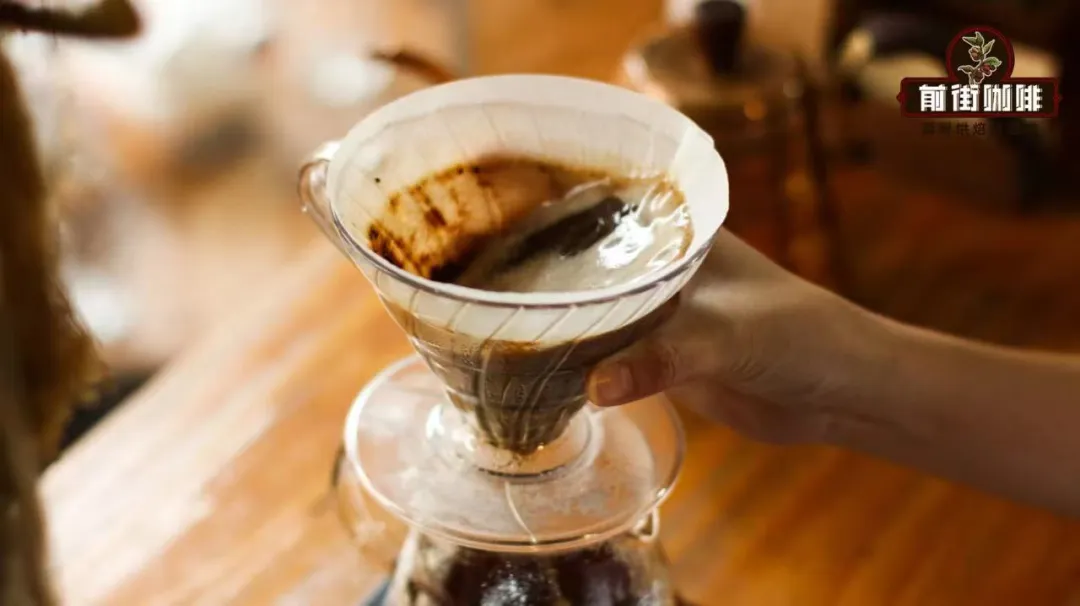
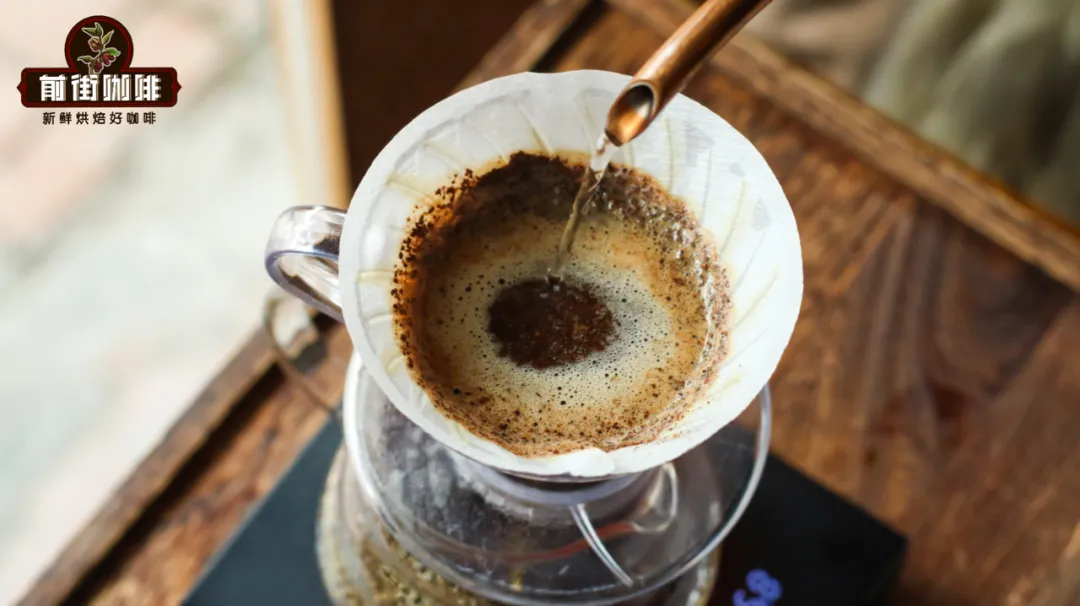
First is the bloom stage: It’s recommended to create a small well in the center of the coffee bed to help the hot water penetrate the bottom layers faster. After pouring 48ml of hot water, immediately lift the dripper and swirl about 5 times, then let it sit for 30 seconds to allow the coffee to fully degas before proceeding to the next pours.
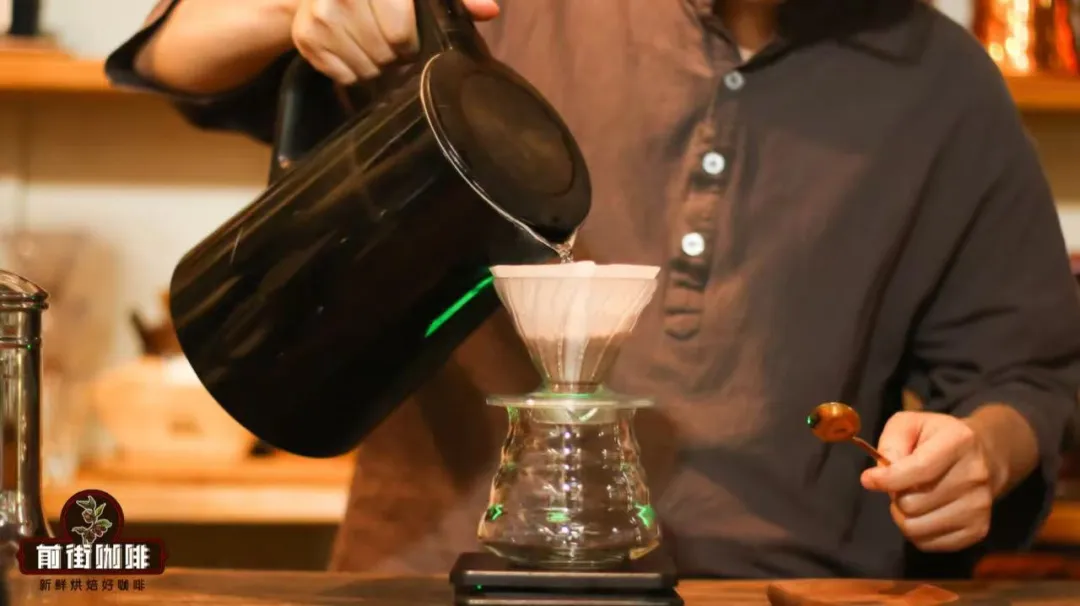
After blooming, the remaining four pours remain consistent: use a smaller stream to pour in large circles, 48ml per pour, with about 10 seconds between pours. After the final pour, swirl the dripper gently about 5 times again to ensure even coffee-water contact. Once the coffee has completely dripped through, remove the dripper. The whole process takes about 3 minutes.
Tasted Flavor and Notes
The tested extraction yield was 21.5%, within the ideal range. The coffee has a pronounced sweetness, prominent aromas, and complex flavors of strawberry, raisin, and fruit wine, with a smooth and rounded mouthfeel and a long-lasting aftertaste. While the method is easy to follow, it does require attention to parameter settings.
Two points to note: First, grind size may need slight adjustments based on bean variety and dripper differences—optimize according to actual flavor feedback. Second, avoid excessive swirling to prevent hot water splashing or burns, and to reduce the risk of fine particles clogging the filter paper by settling.
With this five-pour method, even pour-over beginners can consistently brew high-quality coffee. Once you’ve mastered segmented pouring and swirling, feel free to experiment with different beans and parameter combinations to discover more flavor possibilities.

The above content is compiled by CoffeeHunters, a coffee news website.


