








Introduction:Have you ever heard a “whooshing” sound in a coffee shop, or seen a barista taste the coffee before serving it to customers, or even multiple professionals sharing one spoon to taste the same cup of coffee? These actions are not random — they are essential methods used by professionals to accurately assess the flavors of coffee. This article delves into the principles and practical applications of “slurping,” explains the purpose behind baristas’ tasting, and explores the mysteries of cupping and shared tasting methods, helping you better understand the logic behind professional coffee evaluation.
In coffee shops, cupping sessions, or coffee exhibitions, it’s common to hear a series of “whooshing” noises, and often see baristas take a sip before serving, or several professionals sharing the same cup of coffee with spoons. For those unfamiliar with the world of coffee, these behaviors may seem puzzling, but they all share a common goal: to evaluate the flavor performance of coffee more accurately and consistently. This article will explain in simple terms the practical significance of the key technique of “slurping,” discuss the considerations behind baristas’ pre-service tastings, and why shared tasting is adopted during cuppings or internal evaluations — helping you understand this seemingly unique yet highly professional aspect of coffee culture.

These behaviors are commonplace for coffee professionals, but for newcomers to the coffee world or outsiders unfamiliar with industry practices, they can indeed feel unfamiliar and curious. This article will approach the topic from a practical perspective, explaining the intentions and functions behind these actions one by one, to help you gain a deeper understanding of the world of professional coffee evaluation.
What is slurping? Why does it make a “whooshing” sound?
In professional coffee evaluation, the “whooshing” sound is actually the result of slurping. This sound is produced when you lightly purse your lips and then forcefully and quickly draw the coffee and air into your mouth together. As the coffee and air mix at high speed in the mouth and pass through a narrow space, they create an airflow noise similar to a “whistle” — which is the familiar “whooshing” sound people often hear.
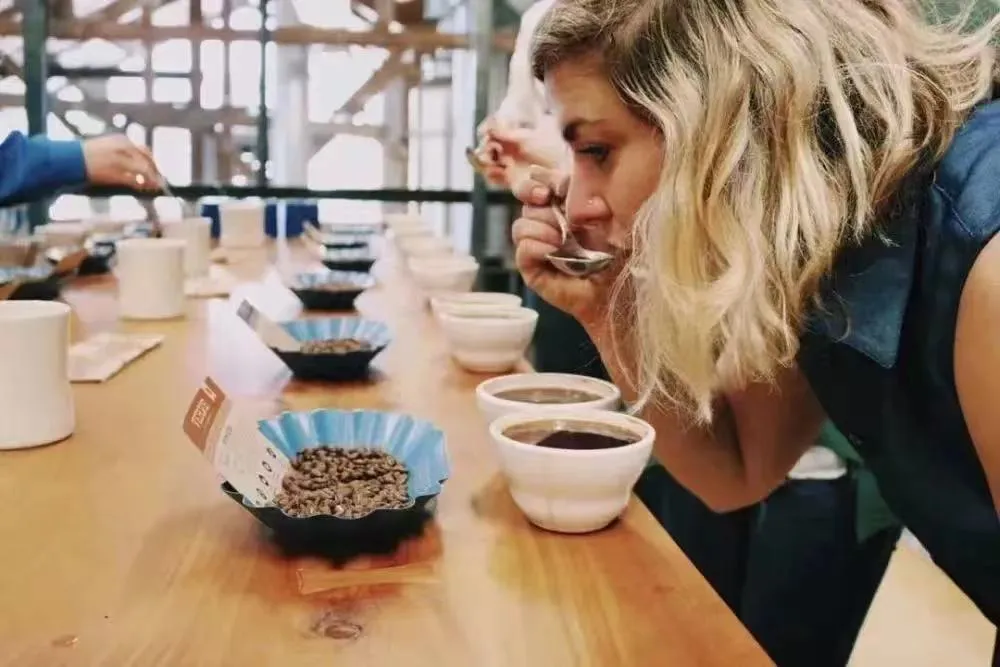
Slurping is not just about making noise; it serves a practical functional purpose. Through this method, the coffee rapidly comes into contact with more surface area inside the mouth, while also cooling quickly due to mixing with air, and forming fine mist-like droplets. These three elements — lowering the temperature, increasing the contact area, and accelerating aroma release — are crucial for flavor evaluation.
Firstly, high temperatures can dull the taste buds, affecting the perception of acidity, sweetness, bitterness, saltiness, and aromas. Therefore, many professionals wait until the coffee cools to an appropriate range (generally recommended around 60–65°C) before evaluating it. However, slurping allows the coffee to cool rapidly upon entering the mouth, saving time and allowing the flavors to emerge sooner. In addition, the fine mist-like droplets greatly increase the contact area with the tongue and nasal cavity, helping to more fully release and capture aroma molecules, making the overall flavor profile clearer and more three-dimensional.
Why do baristas take a sip first? To ensure consistent quality
Besides slurping, another common and often misunderstood behavior is when a barista pours out a small amount of pour over coffee and tastes it themselves before serving it to the customer. Many customers find this confusing, even thinking the barista is just taking a sip for themselves. In reality, this action stems from strict quality control requirements.
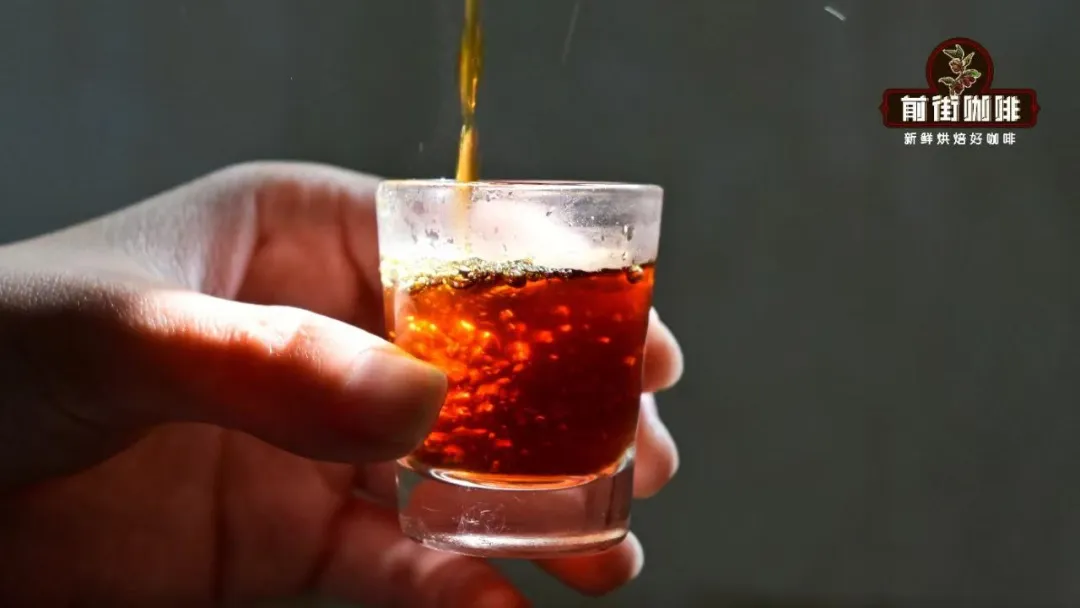
The final flavor of a cup of coffee can be influenced by multiple factors such as bean roast level, grind size, water temperature, flow rate, brewing time, pouring technique, and even the beans’ activity on that day (such as the degree of CO₂ release). Even with the same recipe and equipment, just one or two variables being different can lead to noticeable differences in extraction results. Therefore, baristas usually take a small sip after brewing to confirm whether the coffee’s acidity, sweetness, body, and aftertaste meet expectations and align with the shop or brand’s standards.
If the brewed coffee shows significant deviation — for example, under-extraction (resulting in flat flavors and prominent astringency) or over-extraction (excessively bitter and lacking complexity) — the barista will immediately adjust parameters and brew again until the quality meets the standard. This process ensures that every customer receives a coffee that is stable and as expected.
Multiple people sharing one cup: A common practice in cuppings and internal evaluations
In many coffee shops or professional cupping settings, we often see a group of people sitting together, using one spoon to scoop and taste the same cup of coffee, rather than giving each person their own cup. Although this sharing method may seem unsanitary or inconvenient, it actually has logical and efficient reasons behind it in practice.

This “sharing one cup” model is mainly used in cupping activities, but is also common among baristas during daily sample comparisons. When multiple coffees need to be evaluated at the same time, or when the same coffee is brewed multiple times for comparison, brewing separately for each evaluator or dividing the coffee into individual portions would require a lot of time and material costs, and would be inefficient in a busy evaluation environment. More importantly, even divided portions may differ in flavor due to varying environmental temperatures or resting times.
By sharing and tasting the same cup of coffee, it ensures that everyone evaluates the same sample under the same conditions at the same time, thereby improving the consistency and objectivity of the evaluation. Although the method may seem rudimentary, it is a commonly used and effective assessment approach in the professional field.
Summary: The details and logic behind professional evaluation
Slurping, pre-tasting, and shared drinking — behaviors that may sometimes seem “peculiar” to coffee enthusiasts — are actually key methods professionals use to accurately grasp the flavor characteristics of coffee. Whether it’s enhancing flavor perception through efficient slurping, ensuring consistent output via pre-tastings, or effectively comparing samples through shared drinking, these details reflect the coffee profession’s pursuit of quality excellence. Understanding these techniques not only helps you better appreciate the complexity of coffee, but also enables you to more keenly perceive the uniqueness of each cup in your daily drinking.
If you’ve encountered similar situations in a coffee shop, or have personal experience with the slurping technique, feel free to leave a comment sharing your thoughts and exchanging insights with fellow coffee lovers.
- END -

The above content is compiled by CoffeeHunters, a coffee news website.


