







Introduction:When Meituan launched free redemption coupons for Luckin Coffee, while consumers scrambled to grab them, the Jiaxing branch was quickly overwhelmed by a flood of orders. The delivery system nearly collapsed, staff were too busy to eat, and riders even resorted to using tricycles to make deliveries. This article delves into the causes of this order surge and how communication gaps between stores and the platform affected overall service quality.
The subsidy war among delivery platforms intensified, and this time it was Meituan’s turn to offer free Luckin Coffee vouchers, attracting a wave of customers eager to snag “zero-yuan coffee.” Within just half a day of the campaign going live, however, Luckin stores in the Jiaxing area began displaying as “temporarily closed,” with nearly all delivery channels shut down, creating chaos on the ground.
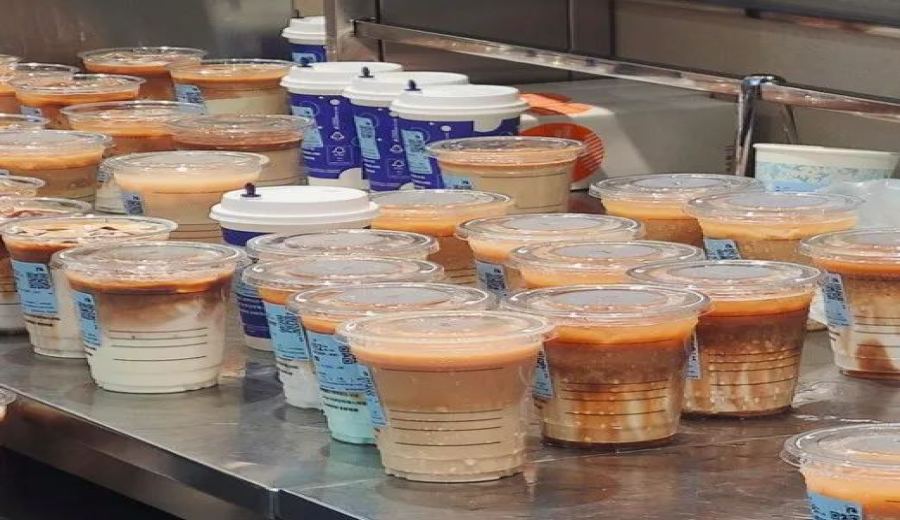
The pickup area was piled high with prepared drinks, while long tables, chairs, and even open spaces in the customer area were filled with packaged takeaway bags. Staff were running around frantically, with no time to drink water or eat, and riders sped up deliveries by switching to tricycle carts to carry the beverages. This sudden order explosion exposed a lack of coordination between the platform and merchants, putting immense pressure on both store operations and the delivery process.
Coffee that was already a few yuan per cup was considered a good deal, but then came the “zero-yuan purchase” offer. Many customers, shocked by their luck, couldn’t believe it and took to social media to share their experiences, urging others to seize the opportunity. In no time, a huge influx of users swarmed the app, following instructions to place orders for free coffee.
However, after noon, many netizens found that nearby Luckin stores showed as closed, and the free vouchers they had managed to grab were unusable. Some users posted screenshots from the delivery platform showing most Jiaxing stores (except those at transportation hubs) marked as “temporarily closed,” speculating that the “zero-yuan purchase” campaign had triggered an order tsunami forcing stores to temporarily disable online ordering.
The sight of stores citywide shutting down collectively shocked the public, and many wondered if those who did manage to get coffee had really encountered such extreme conditions. According to netizens who went to the stores in person to pick up their orders, the reality on the ground was far beyond imagination.
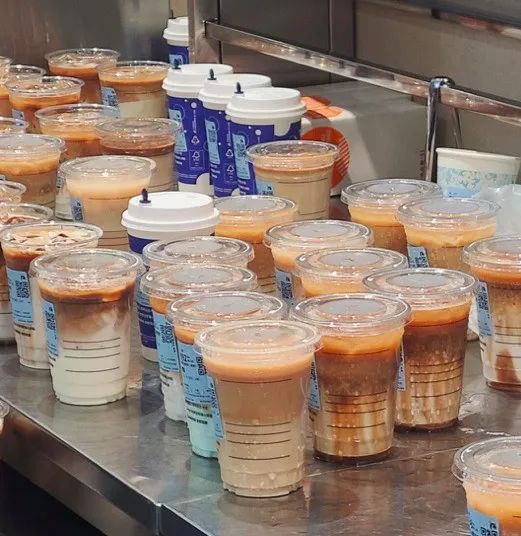
The pickup counter was crowded with freshly made drinks, and the customer area’s long tables, chairs, delivery racks, and even open spaces were stacked with packaged orders. Staff had been spinning like tops since the campaign started, constantly processing receipts spewing from the receipt machine, leaving no time to talk to riders or customers—some didn’t even have time to drink water or eat.
According to store employees, some locations received hundreds of orders within minutes of the campaign launch, and larger stores even surpassed a thousand cups in a single day. However, the platform had not notified merchants in advance, and most stores maintained their usual staffing levels, with only one or two employees on duty, making the existing workforce completely unable to handle the surge. Stores urgently called back off-duty staff to work overtime, but even so, many said they dared not reopen online ordering, as the backlog of orders remained overwhelming.
This order disaster triggered by the zero-yuan promotion not only left Luckin staff swamped but also affected delivery riders. Some customers who picked up their own orders reported that due to the excessive number of pending deliveries, riders couldn’t arrive within the system’s estimated time and, unwilling to wait two or three hours, opted to come downstairs to the pickup area to collect their drinks themselves.
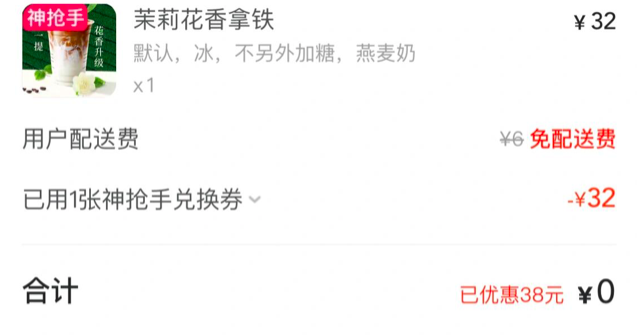
Some netizens also mentioned that due to the intense delivery pressure, some riders abandoned their usual electric scooters and switched to using tricycle carts to transport large quantities of beverages—an unexpected sight that surprised many. This incident not only highlighted the gap between the platform’s campaign planning and merchants’ inventory readiness but also reminded consumers to pay attention to the actual operational capacity of stores when enjoying discounts, to avoid causing unnecessary trouble for both sides.
The above content is compiled by CoffeeHunters, a coffee news website.


